walking upstream…
Wolfgang Amadeus Mozart
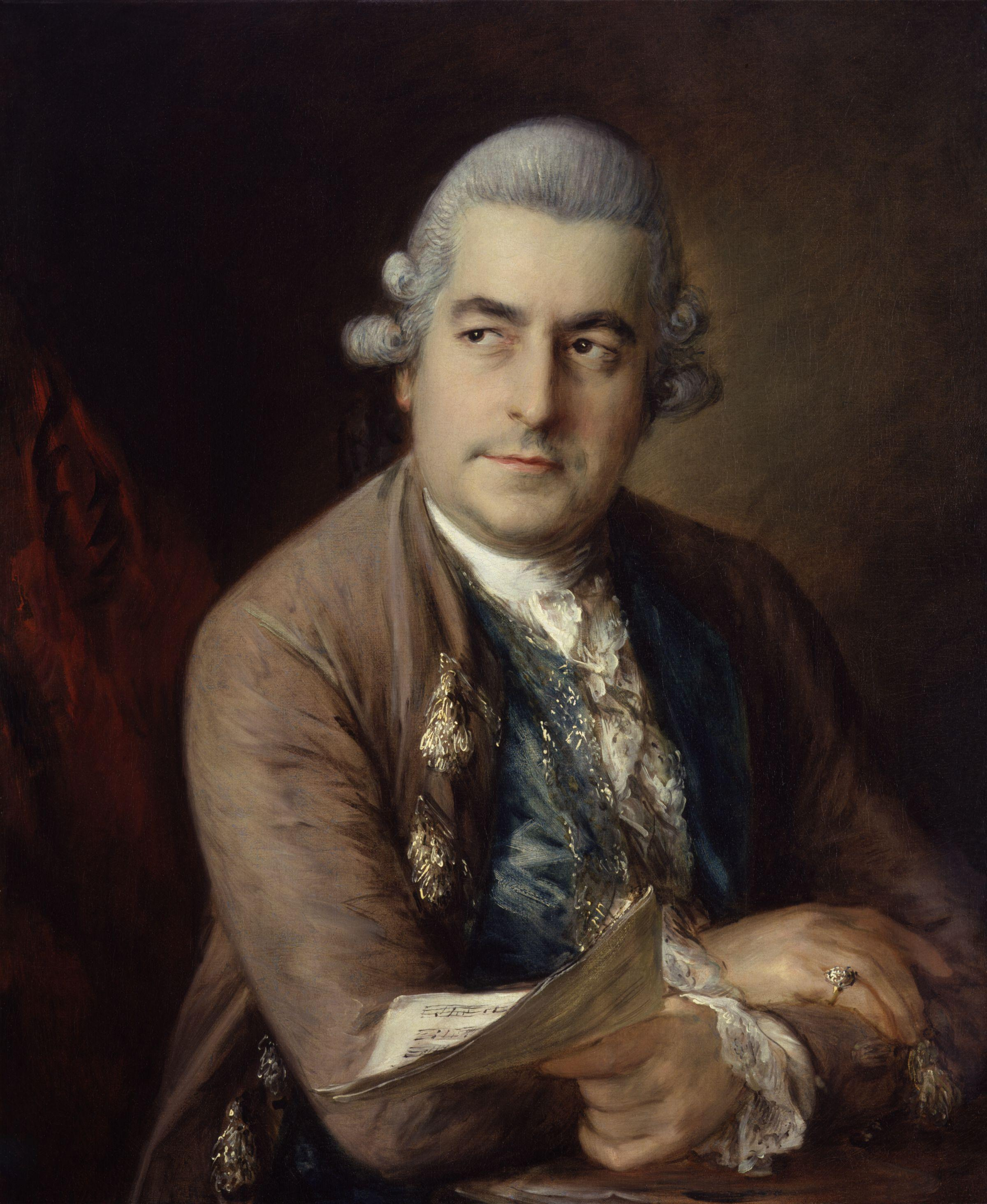
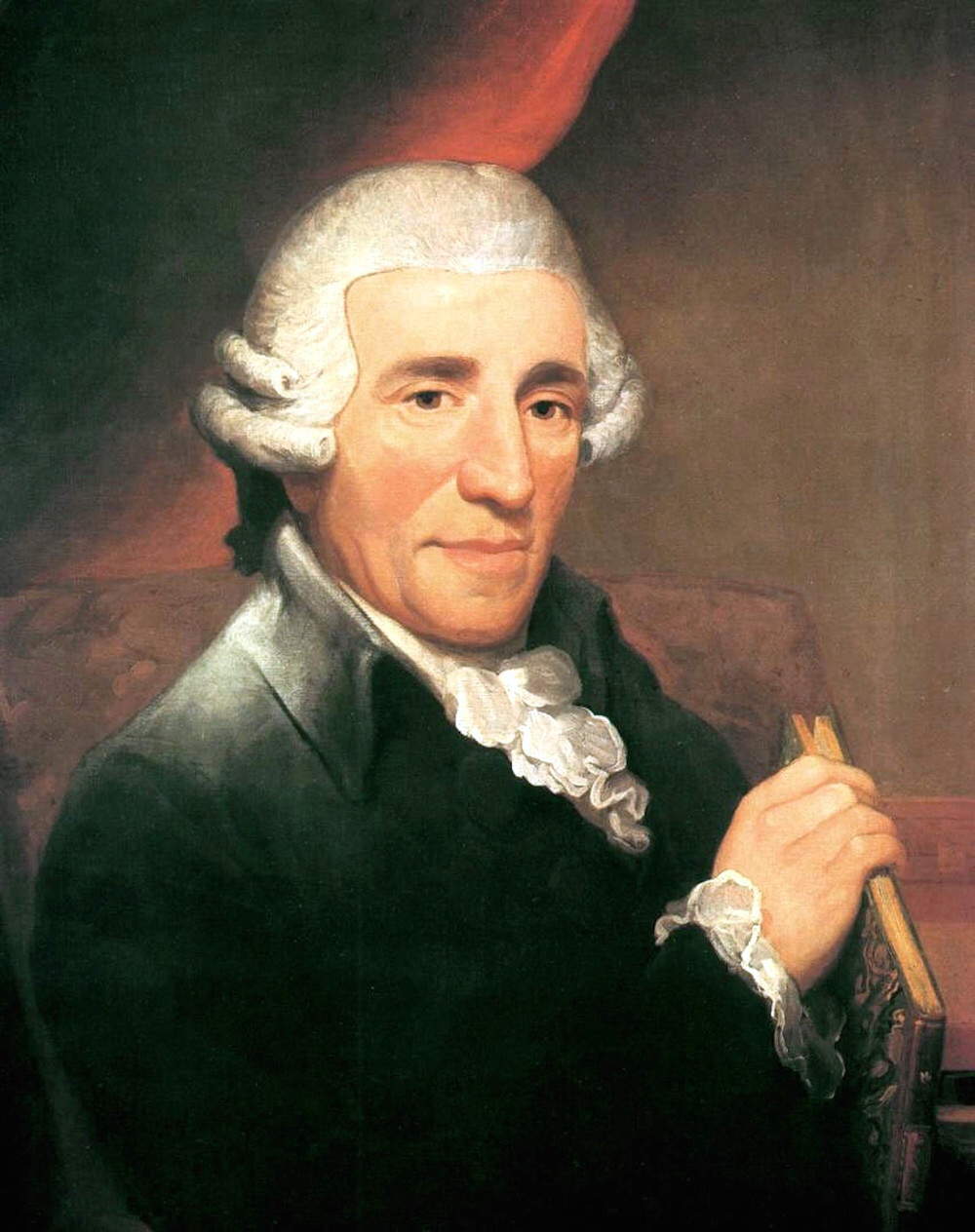
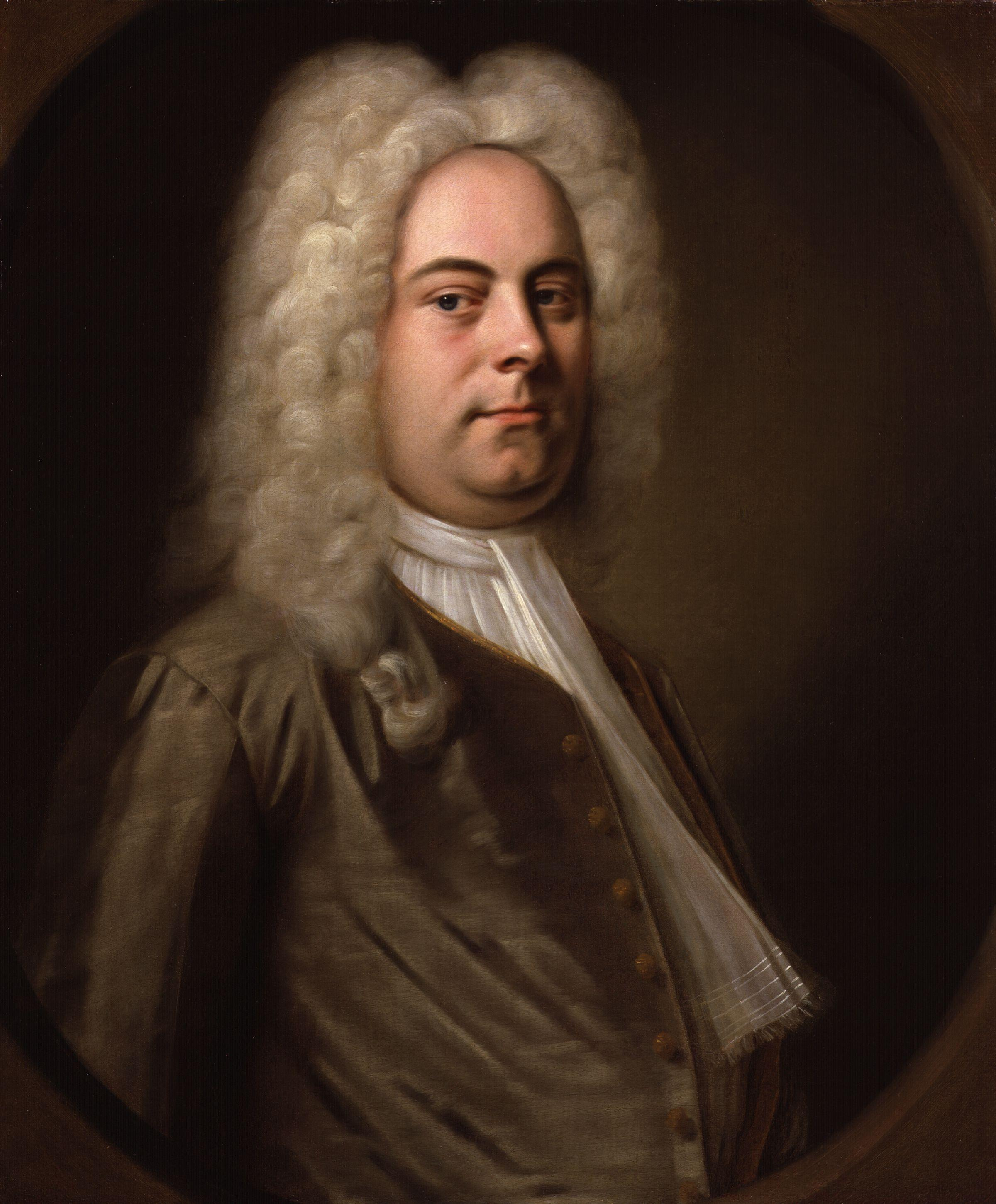
 photo: barbara krafft · public domain ↗
Wolfgang Amadeus Mozart
sourcesWikipedia — Wolfgang Amadeus Mozart (biographical orientation) · Project Gutenberg — The Letters of Wolfgang Amadeus Mozart, Vol. I, 1866 (Mozart's own letters on J. C. Bach) · Project Gutenberg — Mozart · The Guardian — Symphony guide2 · A Musical Vision — How did Mozart 'Handel' Messiah? (backstory of Der Messias, K. 572)
Wolfgang Amadeus Mozart was composing and touring Europe as a keyboard prodigy by age six, dragged by his father Leopold through the courts of London, Paris, and Mannheim before most children learn cursive. Those years abroad supplied the raw material of his style: the singing Italian melody he absorbed as a child in London, the counterpoint he devoured as an adult in Vienna at a patron's private Sunday sessions, and friendships with older composers he named, in his own letters, as direct debts. He settled in Vienna in 1781 and, within a decade, remade the symphony, the piano concerto, and opera before he died at 35. His music absorbs everything it touches without ever losing its own voice.
the sound in question
1788
Symphony No. 40 in G minor, K. 550Wolfgang Amadeus Mozart
walk the tributaries ↓
Johann Christian Bach1770s · Classical / Galant
In London in 1764, an eight-year-old Mozart met Johann Christian Bach, the youngest son of J. S. Bach and a generation older, already an established court composer; the two stayed close for the rest of Bach's life. Fourteen years later, hearing Bach had turned up nearby, Mozart wrote to his father: 'I love him from my heart (as you know), and esteem him.' As a boy he had gone further than admiration — he took three of Bach's published keyboard sonatas and orchestrated them wholesale into his own first piano concertos, learning the older man's singing, galant melodic style by copying it note for note.
listen: upstream & heresource: NPR — Johann Christian Bach (G minor symphony connection to Mozart's K. 183) ↗
1766
Keyboard Sonata in D major, Op. 5 No. 2Johann Christian Bach
1772
Piano Concerto No. 1 in D major, K. 107 No. 1 (after J. C. Bach)Wolfgang Amadeus Mozart
listen forMozart's Piano Concerto No. 1, K. 107 No. 1, is J. C. Bach's Sonata in D major, Op. 5 No. 2, with an orchestra wrapped around it — the opening keyboard tune in both recordings is nearly the same melody, before Mozart's added strings start answering it back. Listen for how little he needed to change: the graceful, vocal phrasing that made Bach's sonata sing was already the sound Mozart would spend his life refining.
Joseph Haydn1780s · Classical
Mozart and Haydn met in Vienna in the 1780s and played chamber music together as friends, not rivals. In 1785 Mozart dedicated six string quartets to him by name, calling them in the dedication 'the fruit of long and painstaking labor.' He was more direct in private: it 'was a duty that I owed to Haydn to dedicate my quartets to him,' he said, 'for it was from him that I learned how to write quartets.' The set answers Haydn's own Op. 33 quartets, published four years earlier, trading a single melodic idea between four equal voices the same conversational way.
listen: upstream & here
1781
String Quartet in E-flat major, Op. 33 No. 2 'The Joke'Joseph Haydn
1785
String Quartet No. 19 in C major, K. 465 'Dissonance'Wolfgang Amadeus Mozart
listen forHaydn's Op. 33 No. 2, 'The Joke,' passes its themes between violins, viola, and cello like overheard conversation, each instrument getting an equal turn. Mozart's 'Dissonance' Quartet, K. 465, opens with a slow, unsettled crawl through clashing harmony before breaking into that same four-way exchange — proof he had absorbed the conversational writing, even while pushing the harmony somewhere Haydn never went.
George Frideric Handel1740s · Baroque
Every Sunday in Vienna, Mozart visited the private library of Baron Gottfried van Swieten, a diplomat who owned manuscripts of Bach and Handel and hosted quiet sessions playing through them. His wife Constanze, he told his sister, 'fell in love with the fugues as soon as she had heard them; she doesn't want to hear anything but fugues, especially those of Handel and Bach.' Of Handel himself Mozart said: 'when he chooses he strikes like a thunderbolt.' In 1789 van Swieten had Mozart re-orchestrate Messiah entirely for German-language performance — literal labor inside another composer's score, down to conducting the premiere himself.
listen: upstream & here
1741
Messiah, HWV 56: 'Hallelujah' chorusGeorge Frideric Handel
1789
Der Messias, K. 572, No. 32: 'Halleluja'Wolfgang Amadeus Mozart
listen forPlay the 'Hallelujah' chorus as Handel wrote it in 1741 against Mozart's 1789 reworking, retitled 'Halleluja' for Der Messias: the melody, harmony, and words are Handel's, note for note, but Mozart thickens the orchestra underneath it, adding clarinet and horn color that fills out the choir's declarations rather than rewriting a single line of music — the sound of a devoted student editing a score he plainly revered, not improving on it.