walking upstream…
Townes Van Zandt

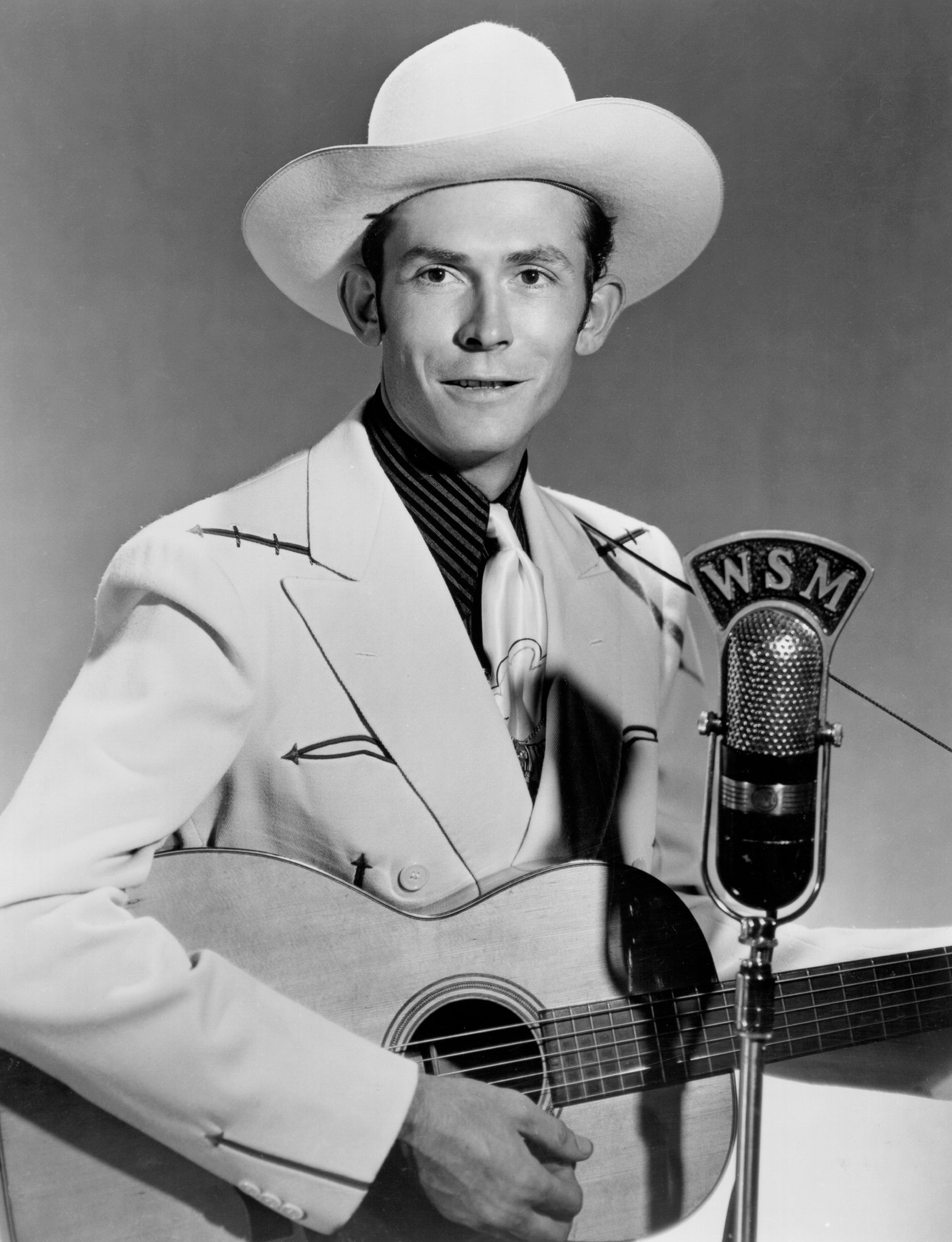

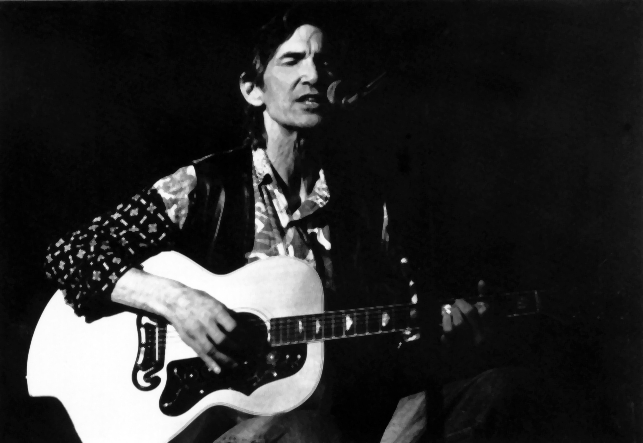 photo: schorle · cc by-sa 3.0 ↗
Townes Van Zandt
Townes Van Zandt was born into Fort Worth oil money in 1944 and spent his childhood shuttling between drilling towns in Texas, Montana, and Colorado behind his father's job, then two years at a private military school he later blamed for "a lot" of his own "multifrantic behaviour." He dropped out of the University of Colorado to become a folk singer, worked the overlapping folk and blues clubs of early-1960s Houston, and after insulin shock therapy in 1964 erased much of his memory, built a catalogue of plainspoken, unhurried songs, among them "Pancho and Lefty" and "Waitin' Around to Die," that reached mass audiences mostly through other singers' hit versions. He died on New Year's Day 1997, the same date, decades apart, as one of the three artists he named as formative in every interview he gave on the subject, seventeen years running.
the sound in question
1972
Pancho and LeftyTownes Van Zandt
walk the tributaries ↓
Lightnin' Hopkins1940s-60s · Country Blues / Electric Blues / Texas Blues
Van Zandt met Hopkins in person on Houston's overlapping folk and blues club circuit in the early 1960s, but the real debt started earlier, on record. "I played... chord patterns for a long time," he told the fanzine Omaha Rainbow in 1977. "Then I started to listen to Lightnin' Hopkins just over and over again. He uses more notes than chords, and that's kind of a different way at a guitar. The first time I really got serious about playing the guitar was doing the blues — that will always be the biggest influence."
listen: upstream & heresource: Omaha Rainbow — Townes Van Zandt interviewed by Richard Wootton, Scott Giles, et al. (1977) — his own testimony on Lightnin' Hopkins's guitar technique and writing 'Waitin' Around to Die' ↗
1960
Automobile BluesLightnin' Hopkins
1994
Automobile BluesTownes Van Zandt
listen forHopkins rolls "Automobile Blues" out in loose, half-spoken phrases, his guitar answering each vocal line with a single stinging note rather than a strummed chord — the exact habit Van Zandt named as his turning point. His own 1994 cover, recorded for the covers album Roadsongs, keeps that call-and-response shape nearly intact, note-picked instead of strummed: a Fort Worth oil kid still playing Third Ward blues guitar thirty years later.
Hank Williams1940s-50s · Country / Honky-tonk
Hank Williams was the first music Van Zandt ever knew, not chosen but simply always on. "Up until Elvis hit, which was when I was about 9, it had been totally Hank Williams and Lefty Frizzell and Roy Acuff," he said. "I used to hear it on my dad's radio as he would drive up and down from oilfield to oilfield." Decades later he still listed The Complete Hank Williams among his favorite records, covered him on a 1972 single, and by his own account put "a couple of Hank Williams" songs on his 1994 live album Roadsongs.
1947
Honky Tonkin'Hank Williams
1972
Honky Tonkin'Townes Van Zandt
listen forWilliams sells "Honky Tonkin'" as a shrug — an easy, rolling honky-tonk two-step, the band swinging behind an unbothered vocal that treats a night on the town as no big deal. Van Zandt's 1972 single, one of his earliest released recordings, carries the same loose, unhurried swing over a spare full-band arrangement: a shrug that traveled twenty-five years without losing its slouch, Williams's steel guitar and fiddle swapped for a plainer Texas drawl.
Bob Dylan1960s · Folk / Folk rock / Rock
Van Zandt dated his own songwriting to a single record: hearing Dylan's The Times They Are A-Changin'. "He was using a regular guitar and regular words and putting them together and coming out with songs that meant something," he said, "and I've been writing songs ever since." His first serious original, "Waitin' Around to Die," followed within a few years — written, he said, at the bar of the Jester Lounge after "talking to this old man" whose story "kinda put out these vibrations."
listen: upstream & heresource: Wikipedia — Roadsongs (Townes Van Zandt album) (1994 covers-album track listing, confirming the Lightnin' Hopkins and Bob Dylan covers) ↗
1964
The Times They Are A-Changin'Bob Dylan
1968
Waitin' Around to DieTownes Van Zandt
listen forDylan strums a plain, unhurried acoustic figure and lets flat, declarative lines carry the whole song, the stripped-down clarity Van Zandt credited as his own breakthrough — no melodic flourish standing between the listener and the sentence being sung. "Waitin' Around to Die" answers in exactly that key: a simple picked pattern under a narrator who states his own defeat outright, line after line, rather than dressing it in metaphor.