walking upstream…
The Righteous Brothers

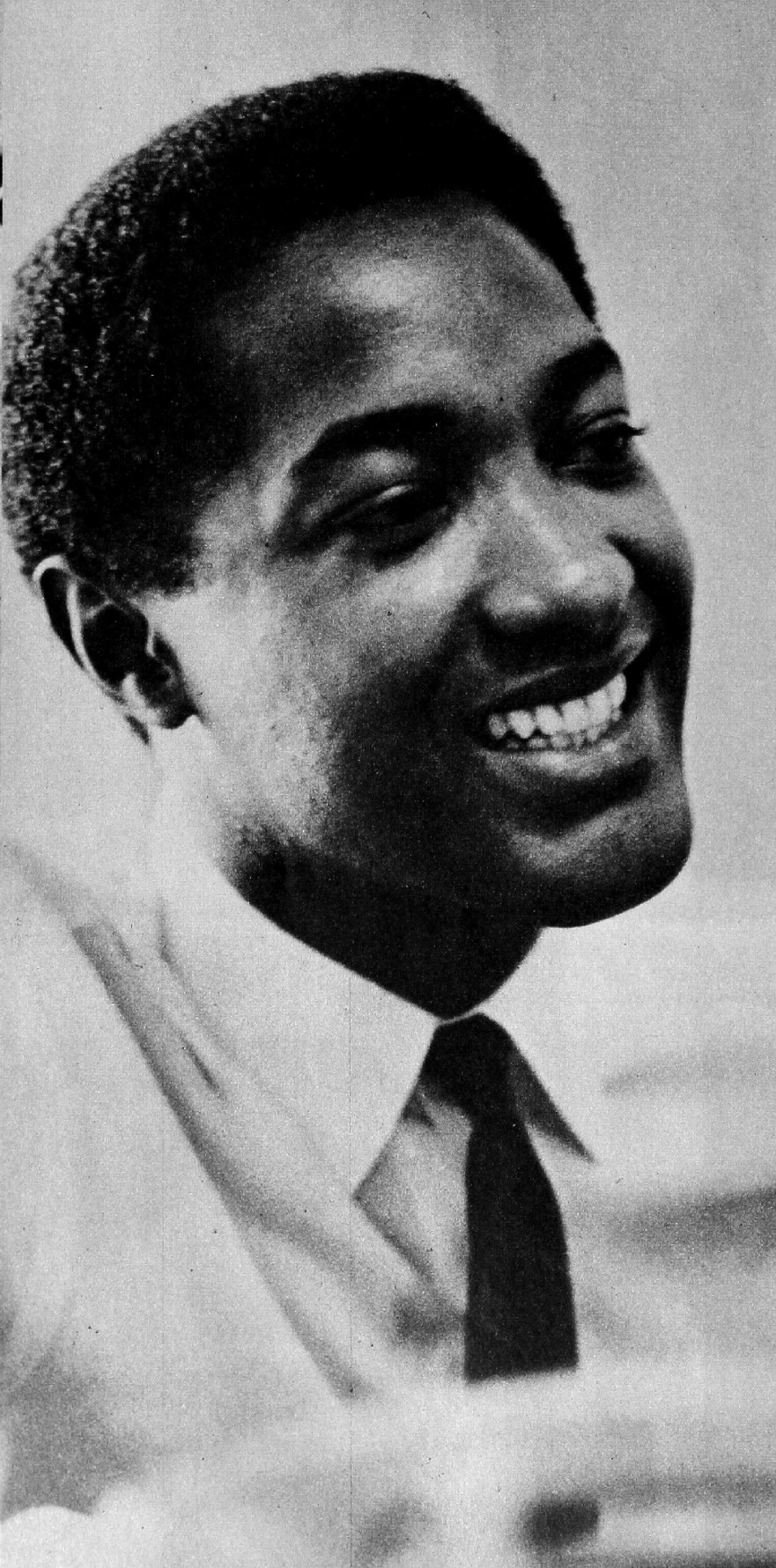

 photo: author unknown; photo courtesy orange county archives · no restrictions ↗
The Righteous Brothers
Bill Medley's cavernous baritone and Bobby Hatfield's soaring tenor made the Righteous Brothers the definitive 'blue-eyed soul' act of the 1960s, two white Californians steeped in Black R&B and gospel. Working with producer Phil Spector, they turned 'You've Lost That Lovin' Feelin'' and 'Unchained Melody' into towering, orchestral pop-soul epics. Their blend of dramatic balladry and R&B fervor became a template for generations of pop singers reaching for soul authenticity.
the sound in question
1964
You've Lost That Lovin' Feelin'The Righteous Brothers
walk the tributaries ↓
Ray Charles1950s–60s · Soul / R&B / Gospel
Ray Charles's fusion of gospel fervor and blues shouting is the DNA of Bill Medley's deep, testifying lead — the secularized-gospel intensity that let two pop singers pass as soul men.
listen: upstream & here
1959
What'd I SayRay Charles
1964
You've Lost That Lovin' Feelin'The Righteous Brothers
listen forDrop the needle on Ray Charles's 'What'd I Say' and catch that call-and-response, church-meets-barrelhouse fervor, then hear the Righteous Brothers dig into the slow gospel build of 'You've Lost That Lovin' Feelin'' — the same intensity, scaled up to Spector's wall of sound.
Sam Cooke1960s · Soul / R&B / Gospel
Sam Cooke's move from gospel to graceful pop-soul, and his warm, elastic tenor, prefigures the smooth side of the Righteous Brothers — especially Bobby Hatfield's soaring lead on their ballads.
listen: upstream & here
1957
You Send MeSam Cooke
1965
Unchained MelodyThe Righteous Brothers
listen forPlay Sam Cooke's 'You Send Me' and follow the way his tenor glides and yearns over a gentle sway, then cue Hatfield's near-solo turn on 'Unchained Melody' — the same aching, gospel-schooled tenor stretching a simple love song toward the sublime.
Little Richard1950s · Rock and roll / Rhythm and blues / Gospel
The Righteous Brothers started out as an R&B shout act on the Southern California club circuit, and Little Richard's manic, full-throated rock and roll is all over their early up-tempo sides, before Spector slowed them into balladeers.
listen: upstream & here
1956
Long Tall SallyLittle Richard
1963
Little Latin Lupe LuThe Righteous Brothers
listen forBlast Little Richard's 'Long Tall Sally' — that breathless, hollering momentum — then play the Righteous Brothers' early hit 'Little Latin Lupe Lu' and hear them chasing the same sweaty, up-tempo R&B holler.