walking upstream…
Daryl Hall & John Oates
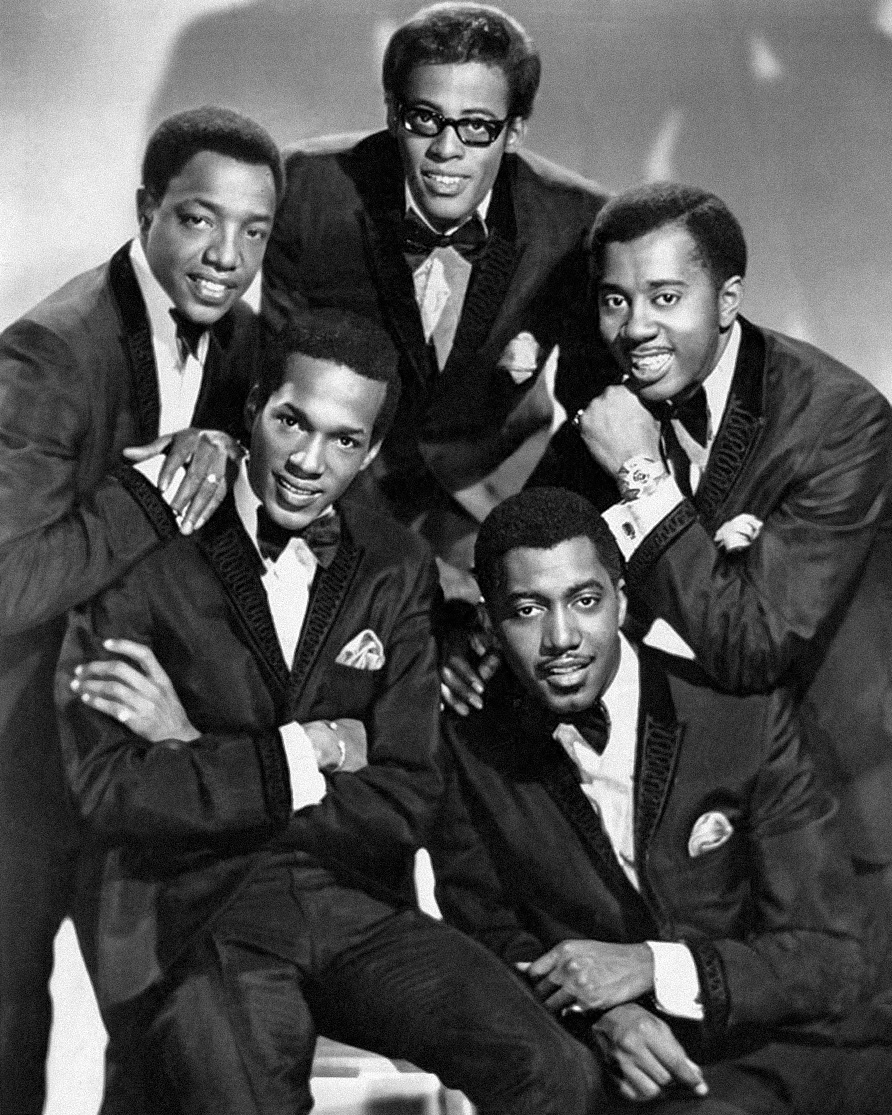


 photo: distributed by rca records · public domain ↗
Daryl Hall & John Oates
sourcesM Music & Musicians — John Oates · Esquire — John Oates · Blues & Soul — Daryl Hall · JohnOates.com — Biography (Oates' formative listening at the Uptown Theater) · SoulTracks — Daryl Hall and Smokey Robinson team up on web (Hall's Smokey Robinson influence quote) · Something Else! — Hall and Oates came full circle with Temptations reunion (1985 Apollo reunion story) · Wikipedia — Voices (Hall & Oates album) (Righteous Brothers cover charted #12) · Wikipedia — Live at the Apollo (Hall & Oates album) (Apollo Medley track listing)
In 1967, a gang fight broke out backstage at a West Philadelphia record hop where two rival vocal groups were booked to lip-synch — Daryl Hall's Temptones and John Oates' the Masters. "Guns. Chains. God knows what. Everybody running," Oates recalled; the two teenagers rode a service elevator down together and came out friends. Both were bound for Temple University, and both had spent their teenage years at North Philadelphia's Uptown Theater, the city's answer to the Apollo, watching the R&B package shows that rolled through town. That scene, and Hall's own session work alongside the Philadelphia soul producers Kenny Gamble and Leon Huff, hardened into the duo's founding idea: soul as an "integrated" music, not a genre boundary to cross. Whole Oats, their debut album, followed in 1972, launching a decades-long argument between Philadelphia soul and rock songcraft.
the sound in question
1977
Rich GirlDaryl Hall & John Oates
walk the tributaries ↓
The Temptations1960s–70s · R&B / Soul / Motown / Psychedelic soul
When the Apollo reopened in 1985, Hall and Oates were the obvious headliners, but Hall's first instinct was to call the group he'd worshipped from the balcony as a teenager. Eddie Kendricks and David Ruffin had left the Temptations under a cloud, but, as Hall put it, "David and Eddie were always friends of mine." He phoned Kendricks, and the two once-estranged former leads walked out to sing "My Girl" alongside the duo who'd grown up watching them — what Hall called "one of those serendipitous, amazing moments... where my origins met my present."
listen: upstream & here
1965
My GirlThe Temptations
1985
The Way You Do the Things You Do/My Girl (Apollo Medley)Daryl Hall & John Oates
listen forThe Temptations' original glides in on a single vibraphone figure before David Ruffin's tenor and the group's call-and-response harmonies lock in — a lead voice cushioned by others rather than buried by them. On the Apollo Medley recording, that structure survives intact: Hall's voice slots into the same call-and-response, trading lines with Ruffin and Eddie Kendricks themselves, an actual reunion of originators and disciples singing the same song on the same stage twenty years later.
Smokey Robinson1960s–70s · R&B / Soul / Motown
Hall calls the 1985 Temptations reunion the most emotional night of his touring life — so it means something that he ranks a different session right behind it. "The closest I've ever come to it... is when I had Smokey on the show, for Live at Daryl's House... with someone who kind of gave me a reason to exist," he said. Before they taped it, Hall had already put the debt in plainer words: "Smokey Robinson is one of my heroes as a singer and songwriter, a major influence on my own music from the very start."
listen: upstream & heresource: Radio Milwaukee — Daryl Hall on Philly soul and weird album art (Uptown Theater, Temptations, Smokey Robinson) ↗
1965
Ooo Baby BabySmokey Robinson
1975
Sara SmileDaryl Hall & John Oates
listen forRobinson's original barely raises its voice — a murmured verse, then the falsetto crack on "baby" that turns confession into ache, riding a slow triplet sway. "Sara Smile" borrows the same physics: Hall drops into a near-whisper before letting his own voice crack upward on the title line, at a similarly unhurried tempo. Robinson and Hall paired the two songs directly when they recorded together for television, treating the debt as explicit rather than implied.
The Righteous Brothers1960s · Blue-eyed soul / Pop / Rhythm and blues
Hall and Oates never named the Righteous Brothers as a personal influence — the case instead rests on their own producer. Todd Rundgren, brought in for 1974's War Babies, recalled that "up until that particular record, they had always thought of their harmonies in terms of the two of them, like the Righteous Brothers," a two-man blend he then pushed toward denser three-part harmony. Six years later, the duo made the debt literal, cutting a cover of "You've Lost That Lovin' Feelin'" that reached number 12 on the pop charts.
listen: upstream & heresource: Stephen Thomas Erlewine — Daryl Hall & John Oates ↗
1964
You've Lost That Lovin' Feelin'The Righteous Brothers
1980
You've Lost That Lovin' FeelingDaryl Hall & John Oates
listen forThe Righteous Brothers built the song as a duet in miniature: Bill Medley's low murmur handing off, verse by verse, to Bobby Hatfield's rafter-shaking tenor, the two voices staying apart until the final wall-of-sound crescendo. Hall and Oates keep that same call-and-response shape on their cover, but trade the orchestral wash for a leaner, guitar-driven arrangement — still built for a lead and a second voice rather than a blended choir, the two-man harmony Rundgren once described.