The Platters
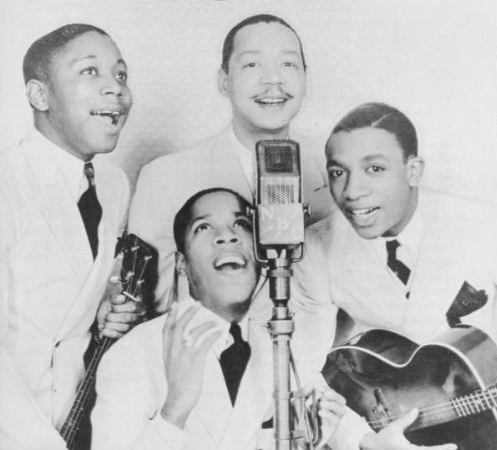

In 1953, Buck Ram inherited a struggling Los Angeles vocal group with no hits at Federal Records and rebuilt it from the ground up: he coached tenor Tony Williams, added Zola Taylor to round out the harmony, and became, in one chronicler's words, "the Platters' guiding light" for the rest of their career. Ram had arranged for Count Basie and Glenn Miller in the 1930s and 40s and had shepherded the Ink Spots' career a decade earlier. When Federal shelved the group, he handed Williams "Only You," a song he'd written years before for the Ink Spots' Bill Kenny and never delivered. It became the Platters' breakthrough, followed by "The Great Pretender" and "My Prayer." Ram's formula never changed: "simple melodies, simple lyrics and no overproduction," built entirely around Williams's aching tenor.
Buck Ram had written "Only You" years earlier for Bill Kenny, the Ink Spots' lead tenor, then shelved it when Kenny quit the group before ever cutting it. The manuscript sat forgotten in Ram's garage until Tony Williams spotted it lying on the piano: "he saw it, liked it, and the rest is history," Gayle Schreiber of the estate that now manages Ram's catalog later recalled. Ram had shepherded the Ink Spots' own career a decade before he took on the Platters, and their songbooks overlap directly — the Platters later recorded the Ink Spots standards "My Prayer" and "If I Didn't Care."
listen forBoth versions of "My Prayer" hand the entire emotional weight to one pleading lead voice over a hushed backing. The Ink Spots' 1939 original built that cushion from a soft guitar arpeggio; one reviewer, comparing the two records, found the Platters "borrowed heavily from the Ink Spots arrangement, replacing the guitar with the piano for the central arpeggio" behind Tony Williams's tenor. Listen for that same rocking figure repeating under both leads, note for note — only the instrument playing it, and the singer draped over it, have changed.