walking upstream…
The Nice

sourcesWikipedia · Innerviews — "Keith Emerson · BroadwayWorld — "The Classical Legacy of a Rockstar" (Brandenburg Concerto childhood account) · KeithEmerson.com — "Meeting Mr. Brubeck Again" (buying the Take Five/Blue Rondo 45) · Louder/Prog — Keith Emerson and the world's first instrumental protest song (Brubeck autograph, America/flag-burning) · Louder/Prog — Brian Auger interview (Emerson's Rock Candy/Marquee account) · wrkr.com — "How Keith Emerson Changed the World" (McDuff/Brubeck/Jimmy Smith background)
In 1967, keyboardist Keith Emerson, guitarist Davy O'List, bassist Lee Jackson and drummer Ian Hague formed as the backing band for American soul singer P.P. Arnold, who let them open her shows with a set of their own. The habit stuck: renamed the Nice, the group built an act out of raiding the classical shelf and the jazz aisle with equal appetite, running Bach and Sibelius, Dave Brubeck and jazz-organ combos through Emerson's increasingly abused Hammond organ — he rode it, stabbed its keys with knives, and once burned an American flag onstage during a cover of Leonard Bernstein's West Side Story tune "America," getting the band banned from the Royal Albert Hall for good. Emerson quit in 1970 to form Emerson, Lake & Palmer, but the trio-plus-organ blueprint, and the habit of treating any genre as raw material, was the Nice's first.
the sound in question
1968
AmericaThe Nice
walk the tributaries ↓
Dave Brubeck1950s–60s · Jazz / Cool jazz / West Coast jazz
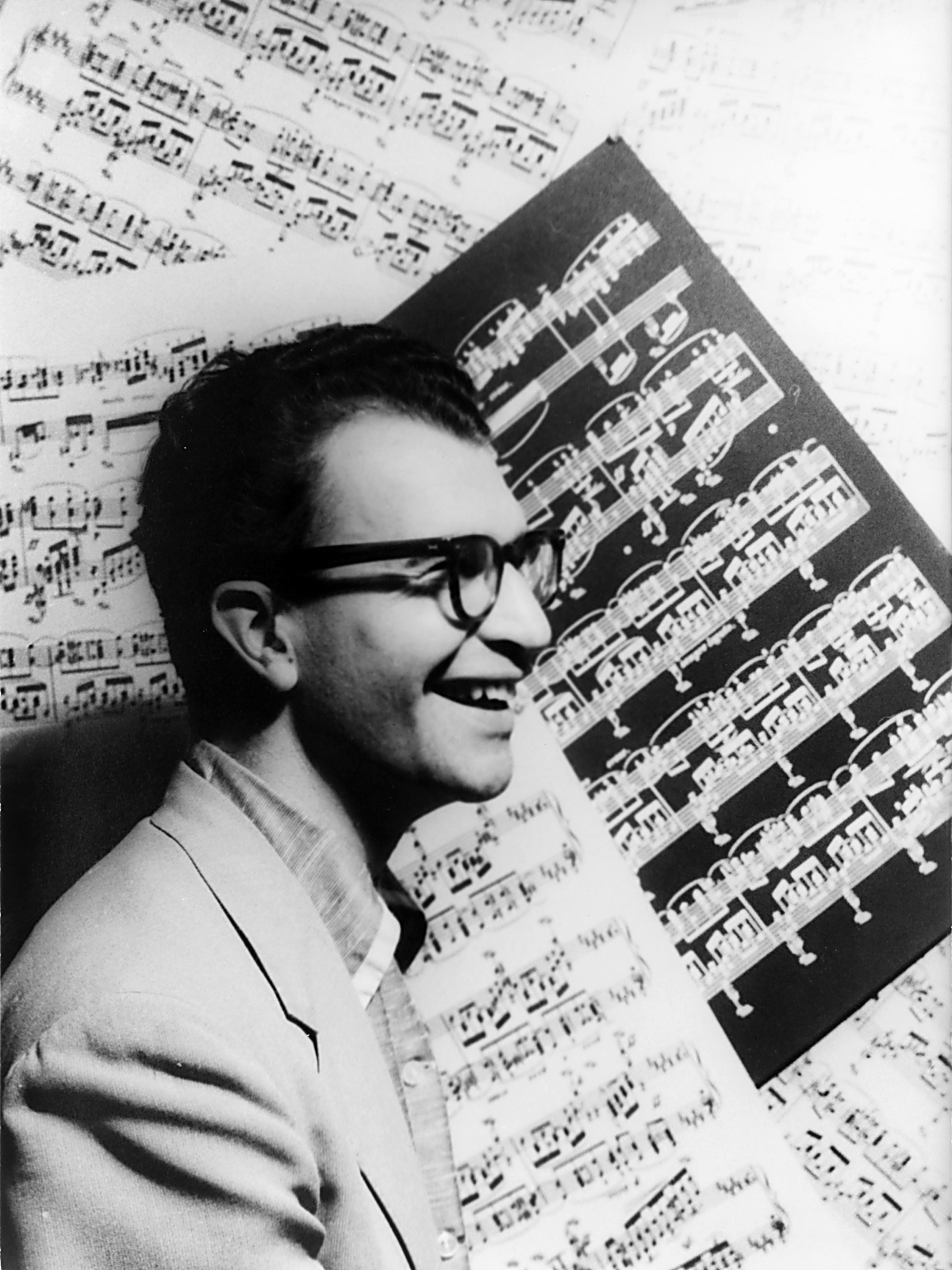
At fifteen, saving pennies from a newspaper and grocery round in Sussex, Emerson got a Christmas present he never forgot: a single 45 of Brubeck's "Take Five," with "Blue Rondo à la Turk" on the B-side. "I played the hell out of it," he recalled on his own website decades later. By 1967 he had taken Brubeck's odd-metered original apart and rebuilt it as a driving new arrangement, credited on the Nice's debut simply as "Rondo" — the tune that made Emerson's name as a rock organist before anyone had heard him touch Bach.
listen: upstream & here
1959
Blue Rondo à la TurkDave Brubeck
1967
RondoThe Nice
listen forBrubeck's "Blue Rondo à la Turk" spends its opening minutes locked into an angular 9/8 meter, the beat grouped into short, lopsided bursts before the band settles into straight swing. The Nice's "Rondo" takes the same melody and forces it into 4/4, organ chasing the tune at a harder, more insistent clip. Brubeck heard the result and signed Emerson's copy of his own transcribed solos: "Thank you, Keith, for your 4/4 version. Which I cannot play."
Johann Sebastian Bach1720s · Baroque / Classical
Emerson traced his classical ear to childhood: he heard the Brandenburg Concerto No. 3 at a concert with his father, went home, and played it back from memory, "Not correctly! Or with all the counterpoint, but pretty close." Bach never left his hands. Explaining his lifelong habit of grafting classical pieces onto pop covers, he told Innerviews he had merged Bob Dylan's "Country Pie" with Bach mid-performance: "We did 'Country Pie' in The Nice too, which I really loved... during which I merged it with Bach's 'Brandenburg Concerto No. 6.'" The splice closed 1970's Five Bridges.
listen: upstream & here
1721
Brandenburg Concerto No. 6 in B-flat major, BWV 1051Johann Sebastian Bach
1970
Country Pie / Brandenburg Concerto No. 6The Nice
listen forCue Bach's Brandenburg Concerto No. 6, as recorded by conductor Claudio Abbado and the Orchestra Mozart, and listen for the two violas and cello chasing each other through tight, staggered entries with no violins to smooth them over. On the Nice's "Country Pie / Brandenburg Concerto No. 6," from Five Bridges, that same interlocking figure reappears almost note for note, played by Emerson's organ where the strings had been, dropped mid-song into Dylan's country shuffle.
"Brother" Jack McDuff1960s · Jazz / Soul jazz / Hard bop
Long before Emerson wired a Hammond to knives and roadies, he was a young sideman haunting Soho's Marquee Club, watching organist Brian Auger work. Decades later, Auger recalled exactly what Emerson told him about the night it clicked: "Bri, I went to the Marquee one night and you were playing this thing called Rock Candy, by 'Brother' Jack McDuff. And I was mesmerised. I thought, 'I want to play like that!'" McDuff's blues-drenched Hammond vamp, not a classical score, is why Emerson chose the instrument the Nice would build around.
listen: upstream & here
1963
Rock Candy"Brother" Jack McDuff
1969
She Belongs to MeThe Nice
listen forMcDuff's "Rock Candy" is built almost entirely around one blues riff, the Hammond stretching out over it chorus after chorus while the rhythm section just keeps time. No Nice recording of the tune itself survives, but the same appetite for a long, vamp-driven organ solo over a repeated figure drives the Nice's sprawling "She Belongs to Me," where Emerson abandons Dylan's melody for minutes at a stretch to work a groove the way McDuff had shown him.