walking upstream…
Pyotr Ilyich Tchaikovsky


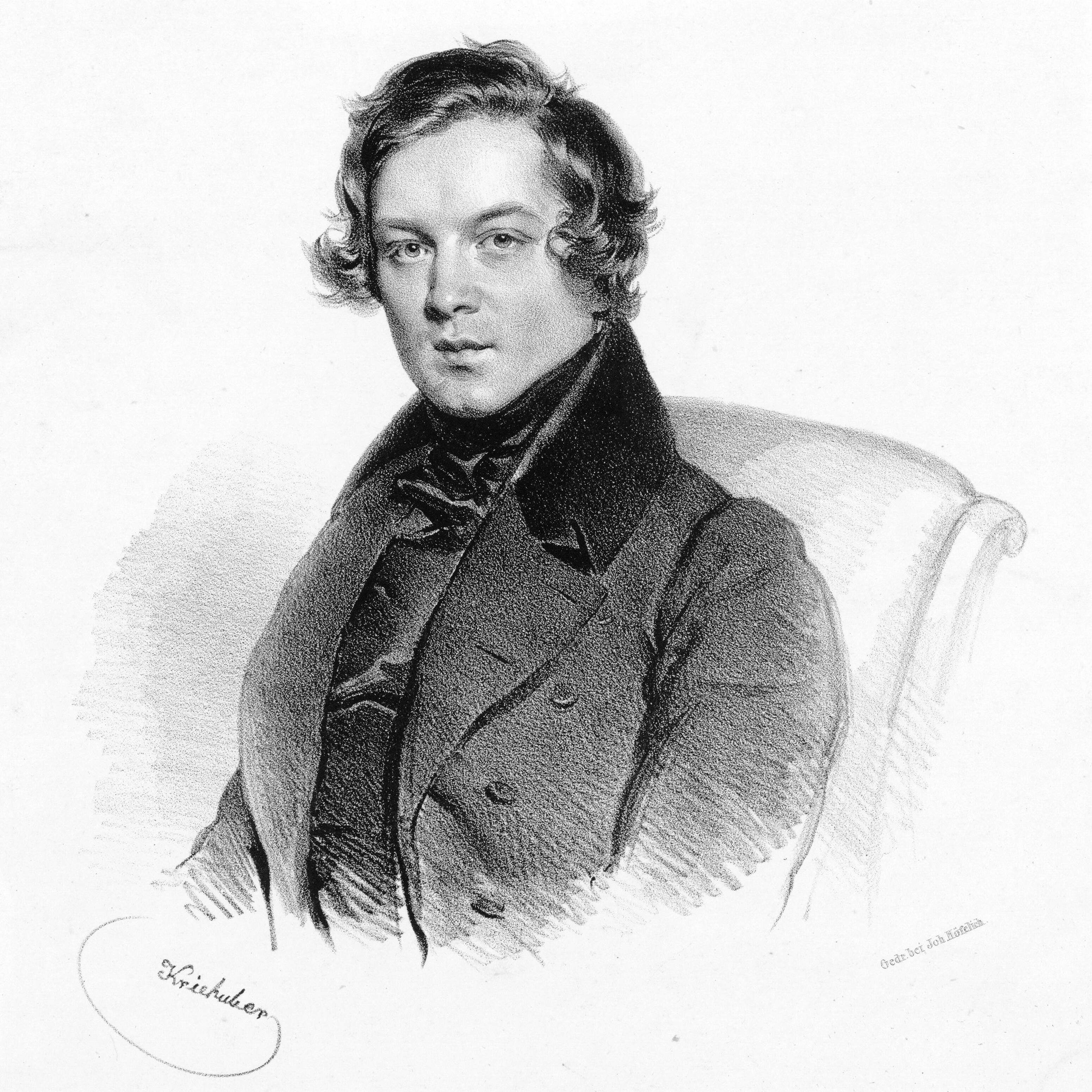
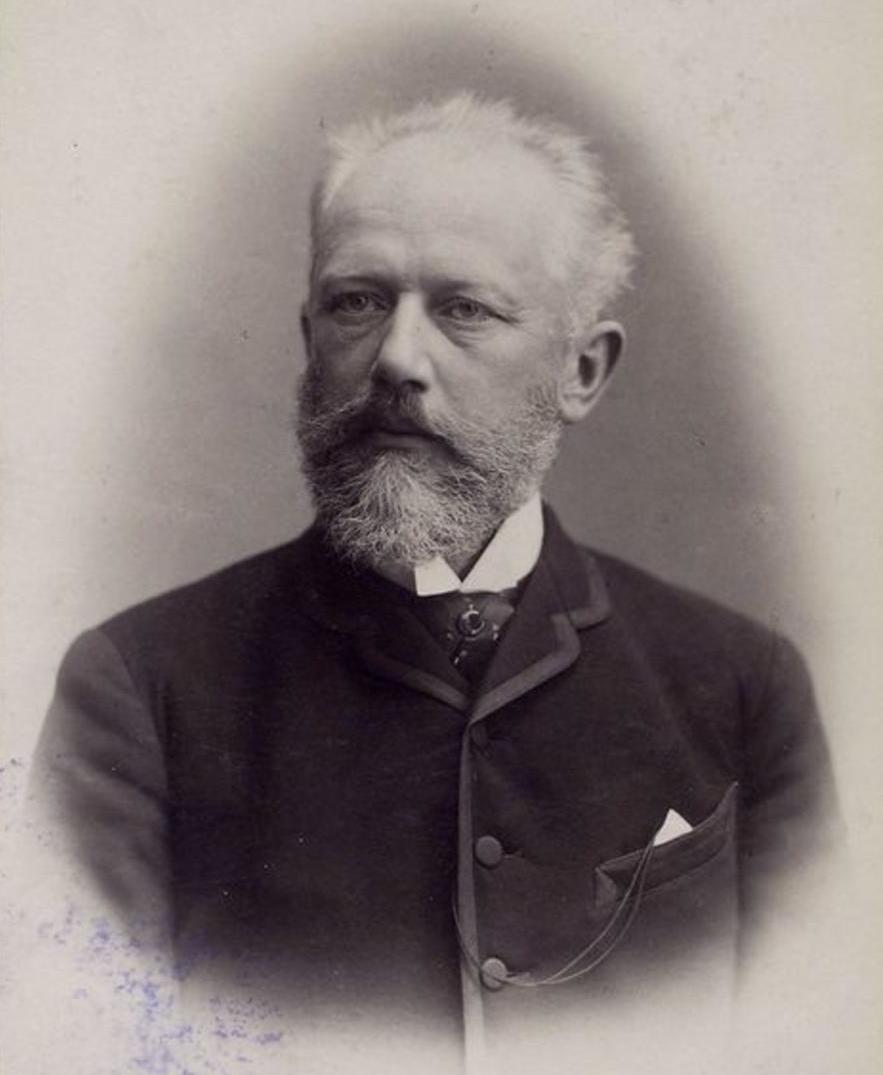 photo: émile reutlinger · public domain ↗
Pyotr Ilyich Tchaikovsky
Before he was five, Pyotr Tchaikovsky heard the family's mechanical orchestrina play Zerlina's aria from Mozart's Don Giovanni and was moved to tears — an early sign of a habit that shaped his whole career: absorbing other composers' music directly into his own. Trained as a Ministry of Justice clerk, he left law at twenty-three for Anton Rubinstein's new Saint Petersburg Conservatory, then spent fourteen years supported, by letter alone, by the widow Nadezhda von Meck, an arrangement that freed him from teaching. He died in Saint Petersburg in 1893, nine days after conducting his Sixth Symphony's premiere, officially of cholera. A 2018 Yale edition of his family's letters, restoring passages his brother and Soviet-era censors had cut, confirmed what biographers had long suppressed: Tchaikovsky was gay. He built a career out of naming his sources — rarely has a composer been so honest about his debts.
the sound in question
1893
Symphony No. 6 in B minor, Op. 74 "Pathétique"Pyotr Ilyich Tchaikovsky
walk the tributaries ↓
Wolfgang Amadeus Mozart1780s · Classical / Opera
Tchaikovsky told the story the same way for thirty years: a performance of Don Giovanni, heard almost by chance at sixteen or seventeen, converted him on the spot. "The music of Don Giovanni was the first music which produced a tremendous impression on me," he wrote to his patron Nadezhda von Meck in 1878. "It is to Mozart that I am obliged for the fact that I have dedicated my life to music." Decades later he was still repaying the debt directly, orchestrating two of Mozart's own piano works into his suite Mozartiana for the opera's centenary.
listen: upstream & heresource: Tchaikovsky Research — Wolfgang Amadeus Mozart (Mozart influence, letters and autobiography) ↗
1789
Gigue in G major, K. 574Wolfgang Amadeus Mozart
1887
Suite No. 4 "Mozartiana", Op. 61: I. GiguePyotr Ilyich Tchaikovsky
listen forPlay Mozart's brief solo-piano Gigue in G alongside the first movement of Tchaikovsky's Mozartiana and you're hearing the same notes twice — Tchaikovsky changed almost nothing about the tune or its quick, tumbling rhythm. What he added is entirely in the dressing: a solo gigue becomes a chattering exchange between strings, woodwinds, and brass, each instrument taking a phrase in turn before handing it off. It's the clearest possible demonstration of what devotion meant to him — not borrowed ideas but literal notes, given a new coat by a former student a century later.
Mikhail Glinka1830s–40s · Classical / Opera / Romantic
In one of his last interviews, Tchaikovsky called Glinka "the corner-stone of Russian music" — he had been drawing on him literally for years already. In an 1888 diary entry on Glinka's short orchestral fantasia Kamarinskaya, built from two folk tunes, he marveled: "why, all of it is in the Kamarinskaya, just as the whole oak is in the acorn! And for a long time yet Russian composers will continue to draw on this rich source." The finale of his own Symphony No. 2, written sixteen years earlier, already ran that same variation technique on a different folk tune, the Ukrainian song "The Crane."
listen: upstream & heresource: Tchaikovsky Research — Mikhail Glinka (Glinka influence, Kamarinskaya and Capriccio Italien) ↗
1848
KamarinskayaMikhail Glinka
1872
Symphony No. 2 in C minor, Op. 17 "Little Russian": IV. FinalePyotr Ilyich Tchaikovsky
listen forListen to how Glinka's Kamarinskaya never leaves its two folk tunes alone: the same simple dance melody returns again and again, each time re-harmonized or handed to a different instrumental color, building without developing in the German symphonic sense. Tchaikovsky's Symphony No. 2 finale runs the identical trick on a different tune, the Ukrainian song "The Crane" — plain at first, then thicker with counterpoint and brighter orchestration each time it resurfaces, exactly the "contrapuntal and harmonic combinations" Tchaikovsky elsewhere said every Russian composer, himself included, was still mining from Glinka's example.
Robert Schumann1830s–40s · Romantic / Classical
When Mily Balakirev pitched a Manfred symphony in 1882, Tchaikovsky balked: "It is quite possible that the abject coolness with which I view your programme is the fault of Schumann," he wrote back. "I love his Manfred extremely and am so used to merging in a single indivisible notion Byron's Manfred with Schumann's Manfred, that I cannot conceive how I might approach this subject in such a way as to elicit from it any music other than that which Schumann furnished it with." He wrote the symphony anyway, three years later — his longest purely orchestral work, still shadowed by the piece he couldn't shake.
listen: upstream & heresource: Tchaikovsky Research — Robert Schumann (Schumann influence, Symphonic Studies orchestration) ↗
1848
Manfred, Op. 115: OvertureRobert Schumann
1885
Manfred Symphony, Op. 58: I. Lento lugubrePyotr Ilyich Tchaikovsky
listen forBoth works open in the same haunted register: Schumann's Manfred Overture begins with a jagged, off-beat gesture in a somber minor key before a halting theme stumbles forward, sketching a man who can't outrun his own memory. Tchaikovsky's Manfred Symphony opens the same way — brooding low winds and strings circling a similarly restless, guilt-shadowed idea before the movement erupts into anguish. Neither composer wrote a cheerful bar of it; both lean on the same dark orchestral colors, tremolo strings and low brass, to sketch the same tormented figure wandering the same indifferent mountains.