walking upstream…
Emerson, Lake & Palmer
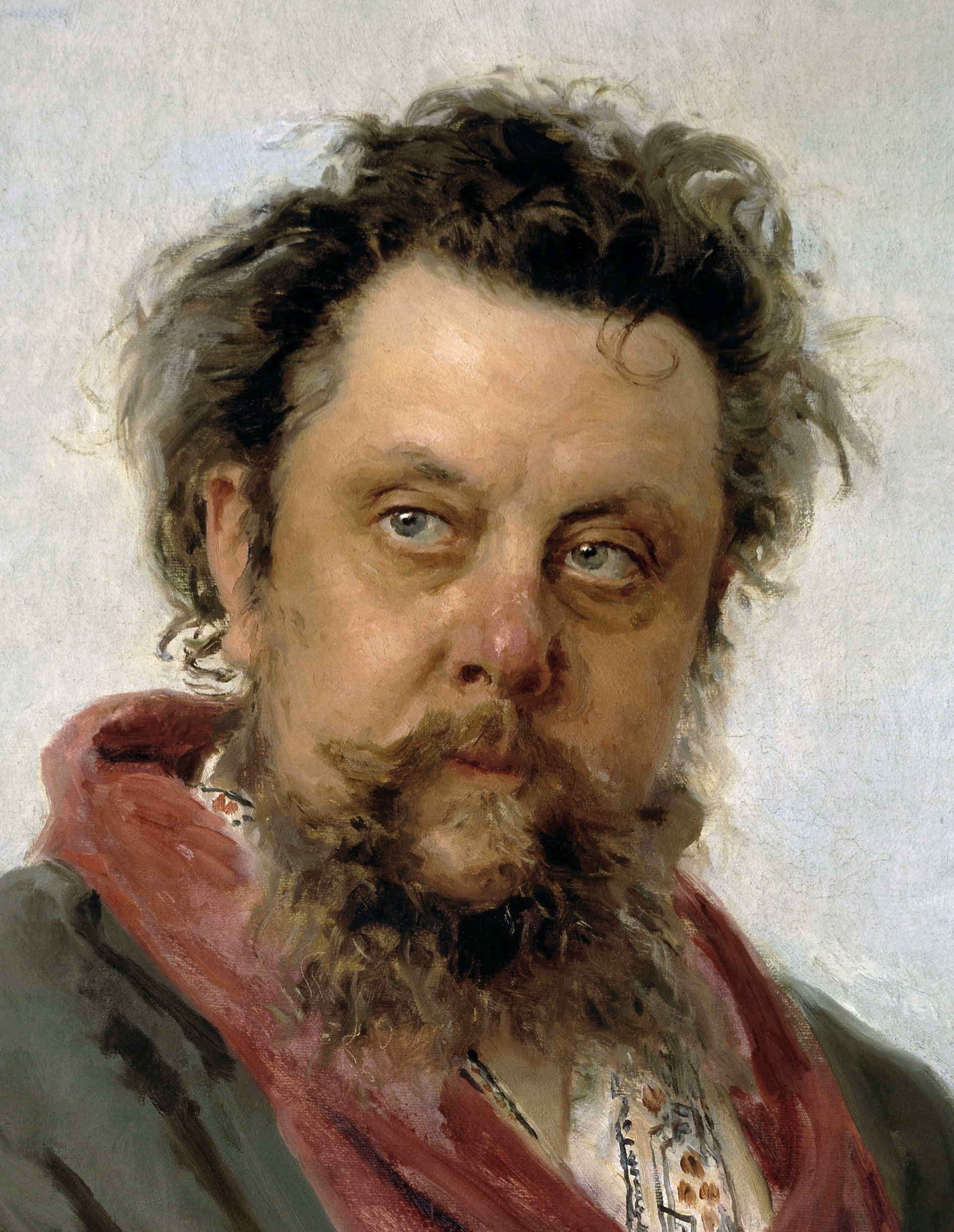

 photo: gorupdebesanez · cc by-sa 3.0 ↗
Emerson, Lake & Palmer
Emerson, Lake & Palmer formed in London in 1970 when Keith Emerson, restless in the classical-rock trio the Nice, and Greg Lake, freshly departed from King Crimson, recruited drummer Carl Palmer from Atomic Rooster. The result was progressive rock's most flamboyant classical-rock synthesis: Emerson's assault on Hammond organ, piano, and Moog modular synthesizer — quoting Bartók, Copland, and Mussorgsky alongside knives driven into his keyboard — paired with Lake's melodic bass, ballads, and production sense and Palmer's virtuosic, percussive precision. Albums like Tarkus, Brain Salad Surgery, and the orchestra-scaled live document Pictures at an Exhibition defined arena prog's outer limits, while their 1977 tour hauling a full orchestra became a cautionary tale of the genre's excess. The classic trio dissolved in 1979 and periodically reunited before Emerson's and Lake's deaths in 2016.
the sound in question
1970
Lucky ManEmerson, Lake & Palmer
walk the tributaries ↓
Modest Mussorgsky1870s · Classical / Romantic / Russian nationalism
ELP's signature achievement was a rock arrangement of Mussorgsky's piano suite "Pictures at an Exhibition," performed live at Newcastle City Hall with the trio's own material spliced between its movements and released as a 1971 live album; Emerson found the suite's vivid, almost cinematic imagery and stark, unresolved harmony a natural match for what he wanted a rock trio to sound like.
listen: upstream & here
1874
Pictures at an ExhibitionModest Mussorgsky
1971
Promenade (Live in Newcastle)Emerson, Lake & Palmer
listen forPlay the original piano "Promenade" against ELP's own live "Promenade" — the same unhurried, walking theme, rendered massive on Emerson's church organ at the start of the show.
The Nice1960s · Progressive rock / Psychedelic rock / Classical crossover
Before ELP, Keith Emerson led the Nice, whose radical, classically-quoting rock arrangements — like their notorious reworking of Bernstein's "America" — and suite-form pieces such as "Five Bridges" established the template Emerson carried wholesale into his next band: side-long, multi-movement music built from classical source material rather than verse-chorus songwriting.
listen: upstream & heresource: Wikipedia ↗
1968
AmericaThe Nice
1971
TarkusEmerson, Lake & Palmer
listen forCompare the Nice's "America," with its brooding classical quotation and extended instrumental combat between organ and rhythm section, to ELP's "Tarkus" — both alternate pounding unison riffs with sudden classical-tinged calm inside one continuous, multi-part structure.
King Crimson1970s · Progressive rock / Art rock / Experimental rock
Greg Lake had just sung and played bass on King Crimson's "In the Court of the Crimson King" when he left to form ELP with Keith Emerson in 1970; accounts of the trio's earliest rehearsals describe them still working through Crimson's "21st Century Schizoid Man" alongside Nice material, and Lake carried that band's taste for abrupt tempo shifts and dissonant, mellotron-thick menace into ELP's harder-edged pieces.
listen: upstream & here
1969
21st Century Schizoid ManKing Crimson
1970
Knife-EdgeEmerson, Lake & Palmer
listen forSet King Crimson's "21st Century Schizoid Man" beside ELP's "Knife-Edge" — both open on a jagged, dissonant unison riff that lurches through irregular meters before dropping into a sudden, hymn-like calm.