walking upstream…
The Lovin' Spoonful
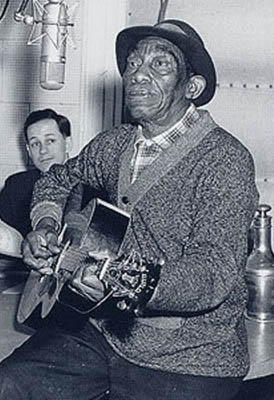
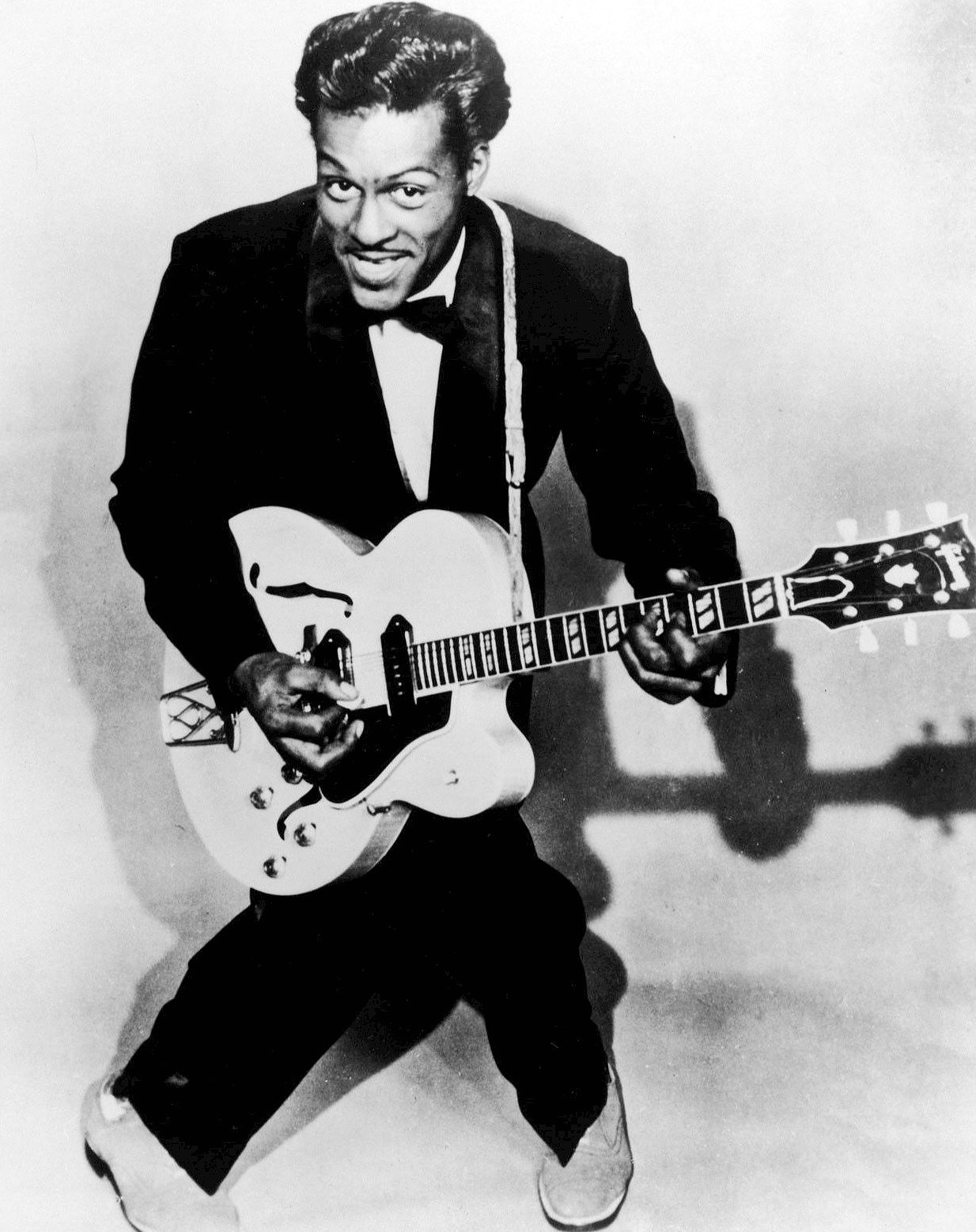

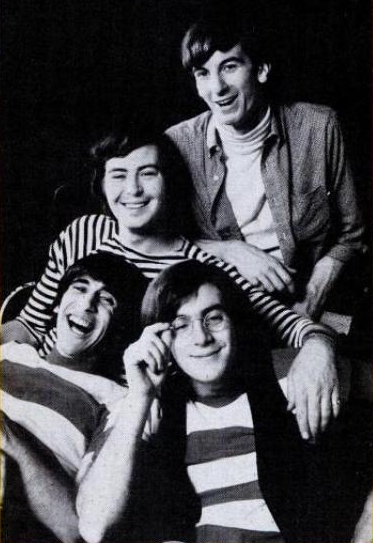 photo: kama sutra records · public domain ↗
The Lovin' Spoonful
sourcesWikipedia · American Songwriter
Formed in Greenwich Village in 1964 by John Sebastian, Zal Yanovsky, Steve Boone, and Joe Butler, The Lovin' Spoonful set out to build what Sebastian called an 'electric jug band,' plugging in the fingerpicked country blues and jug-band tunes he'd soaked up firsthand from Mississippi John Hurt and the rest of the Village folk scene. Their run of 1965-66 singles — 'Do You Believe in Magic,' 'Daydream,' the chart-topping 'Summer in the City' — helped invent folk rock's sunnier, more playful register, trading Dylan-esque gravity for an open-hearted whimsy that reportedly caught the Beatles' ear; Paul McCartney later cited 'Daydream' as the direct inspiration for 'Good Day Sunshine.' Yanovsky's 1967 drug bust and exit effectively ended the band's hit-making run, though the group reunited for touring decades later.
the sound in question
1966
Summer in the CityThe Lovin' Spoonful
walk the tributaries ↓
Mississippi John Hurt1960s · Country blues / Folk blues / Songster
Sebastian described the group's whole sound as "a cross between Chuck Berry and Mississippi John Hurt," and the band's name itself comes from a line in Hurt's 1963 recording 'Coffee Blues' — friend and jug player Fritz Richmond lifted 'lovin' spoonful' straight out of the lyric. Hurt's gentle, alternating-bass fingerpicking style is the foundation underneath the band's quieter acoustic numbers.
listen: upstream & here
1963
Coffee BluesMississippi John Hurt
1966
Coconut GroveThe Lovin' Spoonful
listen forPut 'Coffee Blues' next to 'Coconut Grove' — both ride a rolling, fingerpicked guitar figure with the thumb keeping a steady alternating bass while the melody floats loosely on top, warm and unhurried.
Chuck Berry1950s · Rock and roll / Rhythm and blues
The other half of Sebastian's "cross between Chuck Berry and Mississippi John Hurt" formula: Berry's rock and roll gave the Spoonful their propulsive, guitar-driven backbone and knack for a plainspoken, hook-forward lyric, balancing out the gentler folk-blues side of their sound.
listen: upstream & here
1958
Johnny B. GoodeChuck Berry
1965
Do You Believe in MagicThe Lovin' Spoonful
listen forLine up 'Johnny B. Goode' with 'Do You Believe in Magic' — both open on a bright, insistent guitar figure and a lyric that's really about the thrill of the music itself, built to move a room rather than sit still in it.
Lead Belly1930s–40s · Country blues / American folk / Songster
Sebastian grew up around Greenwich Village's folk revival, absorbing Lead Belly's records and songster repertoire — alongside Woody Guthrie and Mississippi John Hurt — before becoming a fixture of the scene himself as a session harmonica and guitar player. Lead Belly's trick of turning plain, communal folk and work-song material into something a pop audience could sing along to is the same move the Spoonful pulled off with jug-band music.
listen: upstream & here
1933
Goodnight, IreneLead Belly
1965
Younger GirlThe Lovin' Spoonful
listen forSet 'Goodnight, Irene' beside 'Younger Girl' — both wrap a simple, singable melody around gentle acoustic strumming, built for a room of people to join in rather than to admire from a distance.