walking upstream…
Rick James


sourcesWikipedia · AARP · uDiscover Music
Born James Ambrose Johnson Jr. in Buffalo, New York, Rick James went AWOL from the Navy Reserve into Toronto's mid-1960s folk-rock scene, fronting the short-lived Mynah Birds alongside a young Neil Young before a warrant forced him underground. Resurfacing in Detroit, he met his self-described musical heroes Marvin Gaye and Stevie Wonder and signed to Motown's Gordy Records in 1977. His 1978 debut 'Come Get It!' and especially 1981's 'Street Songs' fused P-Funk grit, disco sheen, doo-wop harmony, and rock swagger into a sound James branded 'punk funk' — a self-styled next generation of Sly Stone, chasing what he called the 'crossover of crossovers.' 'Super Freak,' the album's biggest hit, later became the backbone of MC Hammer's 'U Can't Touch This.' James died in 2004, but his hybrid of funk, rock, and pop still runs through hip-hop and R&B.
the sound in question
1981
Super FreakRick James
walk the tributaries ↓
Sly and the Family Stone1960s-70s · Funk / Soul / Psychedelic rock / R&B
James considered himself a next-generation Sly Stone, drawing on Sly and the Family Stone (and George Clinton) as the funk pioneers who shaped his rock-inflected sound; the aggressive, guitar-forward 'punk funk' style he unveiled on 'Street Songs' is widely traced to that same fusion of psychedelic rock and hard funk that Sly pioneered a decade earlier.
listen: upstream & here
1969
Thank You (Falettinme Be Mice Elf Agin)Sly and the Family Stone
1981
Give It to Me BabyRick James
listen forSet 'Thank You (Falettinme Be Mice Elf Agin)' beside 'Give It to Me Baby' — both push a popped, percussive bassline to the very front of the mix, clipped rhythm-guitar stabs filling the gaps, and a shouted, call-and-response vocal that turns the groove itself into the hook.
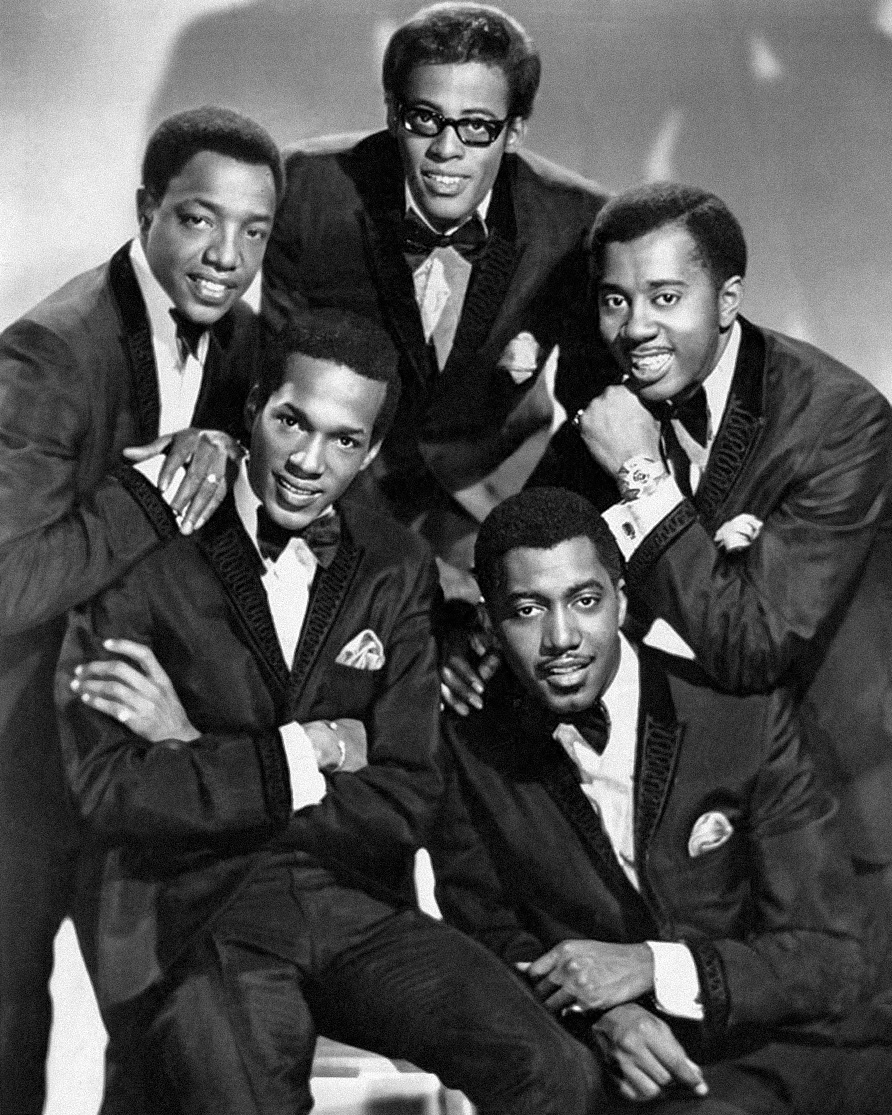
The Temptations1960s–70s · R&B / Soul / Motown / Psychedelic soul
James idolized Temptations lead singer David Ruffin and bass vocalist Melvin Franklin, and jumped at the chance to produce their 1982 reunion single 'Standing on the Top.' That reverence for Motown's most theatrical vocal group surfaces in James's own dramatic, wide-ranging lead vocals and his fondness for stacking rich backing harmonies underneath a plainspoken lead line.
listen: upstream & here
1965
My GirlThe Temptations
1978
You and IRick James
listen forPlay 'My Girl' next to 'You and I' — both ride a warm, close-harmony vocal blend behind an unhurried lead, built on a steady mid-tempo groove meant for a slow sway rather than a dancefloor sprint.
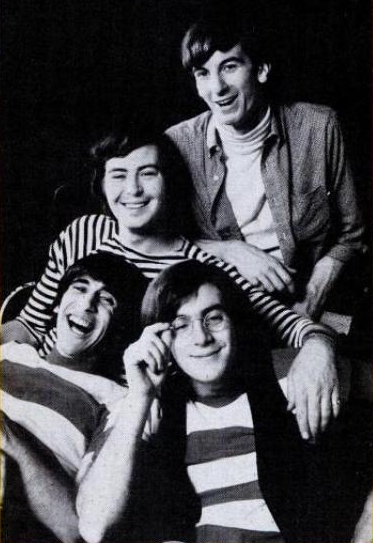
The Lovin' Spoonful1960s · Folk rock / Jug band music / Pop rock
James admitted the confession sounded like a punchline: "Later in life when I told writers that the Lovin' Spoonful was one of the groups that influenced me the most, they thought I was kidding." He'd absorbed the band's loose, easygoing string-band whimsy firsthand during his mid-1960s stint in Toronto's folk-rock scene, and it surfaces as an odd counterweight inside his funk records — a breezy, sing-song melodic sense and conversational vocal delivery that cuts against the era's heavier grooves.
listen: upstream & here
1965
Do You Believe in MagicThe Lovin' Spoonful
1978
Mary JaneRick James
listen forCompare 'Do You Believe in Magic' with 'Mary Jane' — both ride an unhurried, major-key bounce and a lightly conversational vocal that seems to grin through the lyric, closer to a porch jam than a dancefloor command.