walking upstream…
The Head and the Heart
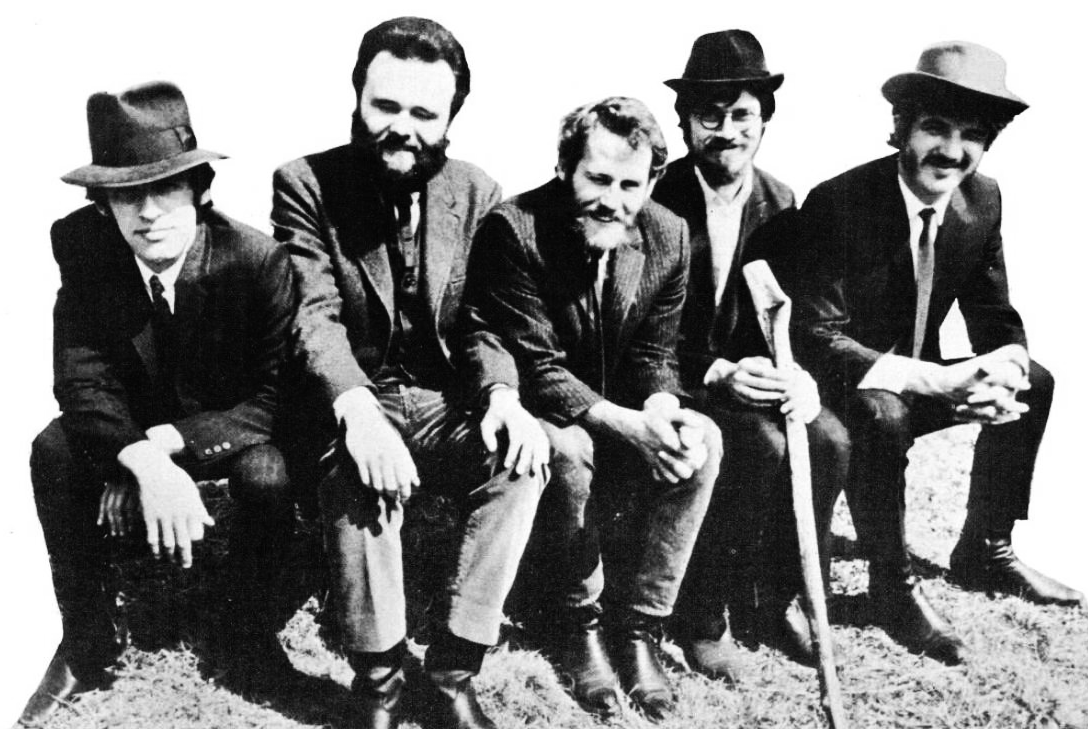
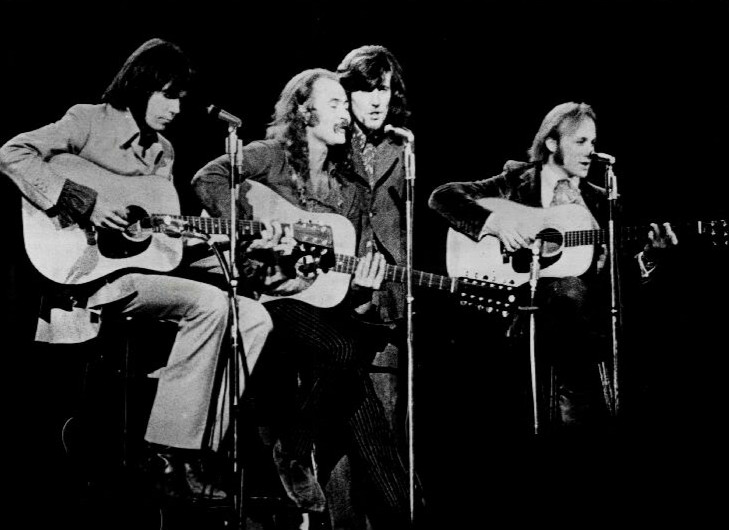
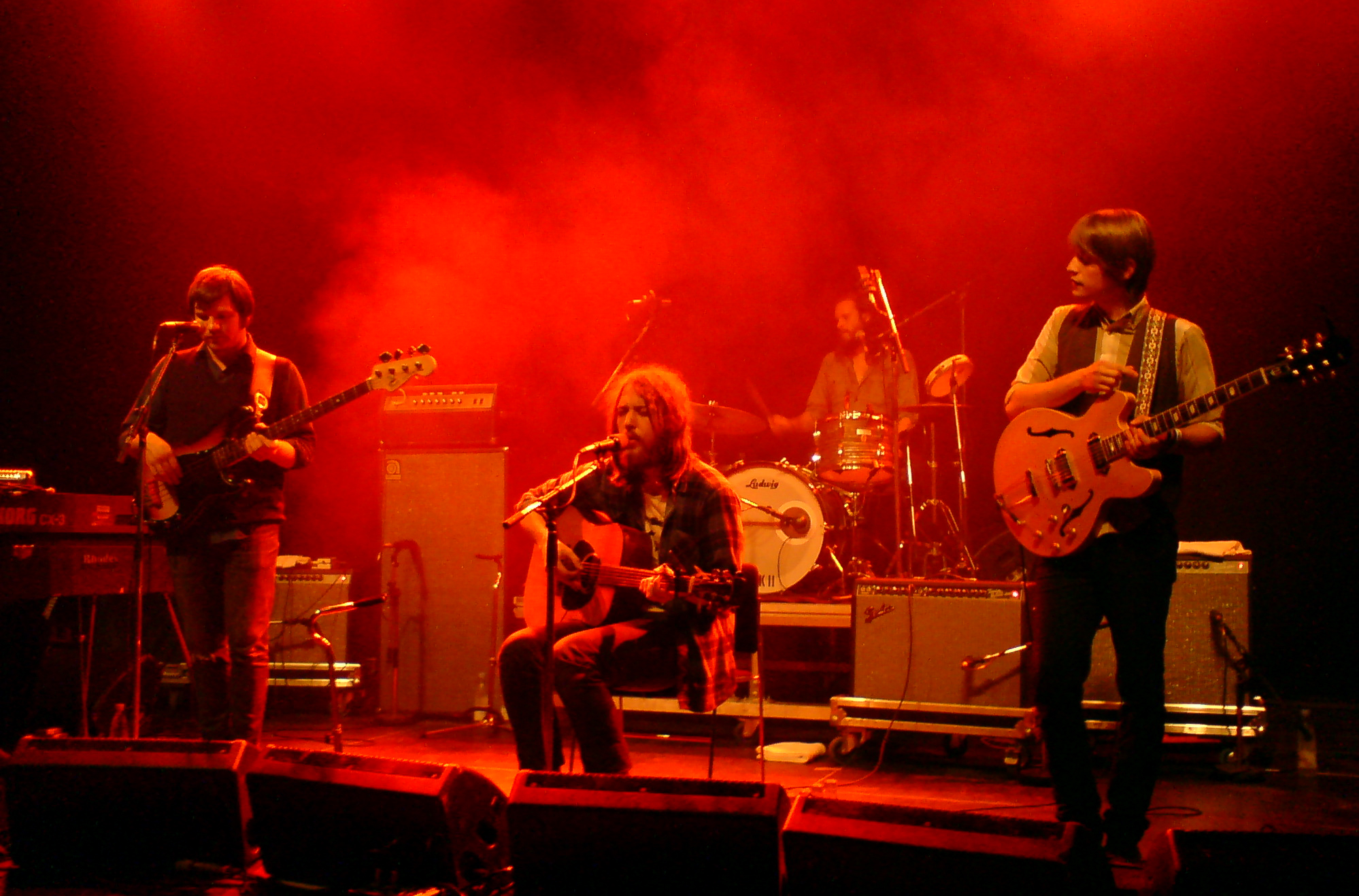
 photo: vince aung · cc by-sa 4.0 ↗
The Head and the Heart
sourcesWikipedia · Vivascene · Atwood Magazine
The Head and the Heart formed in the summer of 2009 out of open-mic nights at Seattle's Conor Byrne pub, where transplants Josiah Johnson and Jonathan Russell built a rotating folk collective with keyboardist Kenny Hensley, violinist Charity Rose Thielen, bassist Chris Zasche, and drummer Tyler Williams. Their self-released 2009 debut sold well enough on word of mouth that Sub Pop reissued it in 2011, turning "Down in the Valley" and the enduring "Rivers and Roads" into indie-folk standards built on three distinct voices resolving into one warm, choral blend. Johnson stepped back from touring in 2016 amid addiction struggles, with guitarist Matt Gervais taking his place; the band has kept expanding its sound across "Let's Be Still," "Signs of Light," "Living Mirage," and 2025's "Aperture."
the sound in question
2011
Rivers and RoadsThe Head and the Heart
walk the tributaries ↓
The Band1960s-70s · Americana / Roots rock / Folk rock
A review of the band's debut argued flatly that "the Head and the Heart sound more like The Band than anything else," pointing to three distinct vocalists who "sound nothing alike when they sing separately, but when harmonized... blend so perfectly that it seems like one voice is singing" -- the exact trick Levon Helm, Rick Danko, and Richard Manuel built The Band's sound around four decades earlier.
listen: upstream & heresource: The All New Cheap Music Blog ↗
1968
The WeightThe Band
2011
Down in the ValleyThe Head and the Heart
listen forLine up The Band's "The Weight," where Helm and Danko hand verses back and forth before the whole group piles onto the chorus, against the Head and the Heart's "Down in the Valley," which uses the same call-and-response verse structure resolving into a full-throated group hook.
Crosby, Stills, Nash & Young1960s-70s · Folk rock / Country rock / Rock
A review of the Head and the Heart's debut called their harmonies "reminiscent of Crosby, Stills and Nash as well as Fairport Convention and Peter, Paul & Mary," describing the sound as "a mix of the three groups injected with a 21st century sensibility." The CSN half of that equation is the clearest: open, ringing acoustic chords underpinning close, individually un-blended-sounding voices that only lock together once the chorus arrives.
listen: upstream & here
1969
Helplessly HopingCrosby, Stills, Nash & Young
2011
Lost in My MindThe Head and the Heart
listen forSet Crosby, Stills & Nash's "Helplessly Hoping," built almost entirely from interlocking three-part harmony over simple acoustic strumming, against the Head and the Heart's banjo-driven "Lost in My Mind" -- both pile voice on voice until the harmony itself becomes the hook.
Fleet Foxes2000s · Indie folk / Chamber pop / Folk rock
Critics tagged the Head and the Heart's word-of-mouth debut from the start as "one part Fleet Foxes-type harmonies and rural concerns" grafted onto its other influences, and the connection runs deeper than a passing comparison: both bands emerged from Seattle within a couple of years of each other, and Ed Brooks, who mastered the Head and the Heart's debut, had also mastered Fleet Foxes' early records. The shared thread is a pastoral, high-lonesome vocal blend where multiple singers stack into a single choral wash rather than one voice leading over harmony.
listen: upstream & heresource: Album of the Year ↗
2008
White Winter HymnalFleet Foxes
2011
GhostsThe Head and the Heart
listen forCompare the round-like, overlapping vocal entrances that open Fleet Foxes' "White Winter Hymnal" with the cascading, multi-voice build of the Head and the Heart's "Ghosts" -- both let voices accumulate on top of each other like a canon before the full band drops in underneath.