walking upstream…
The Delfonics
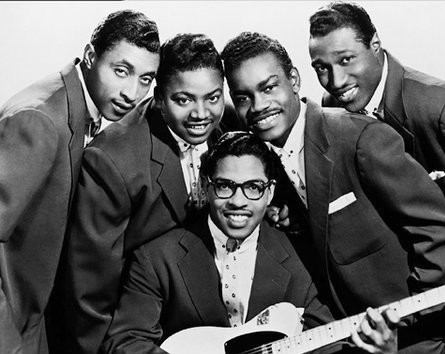

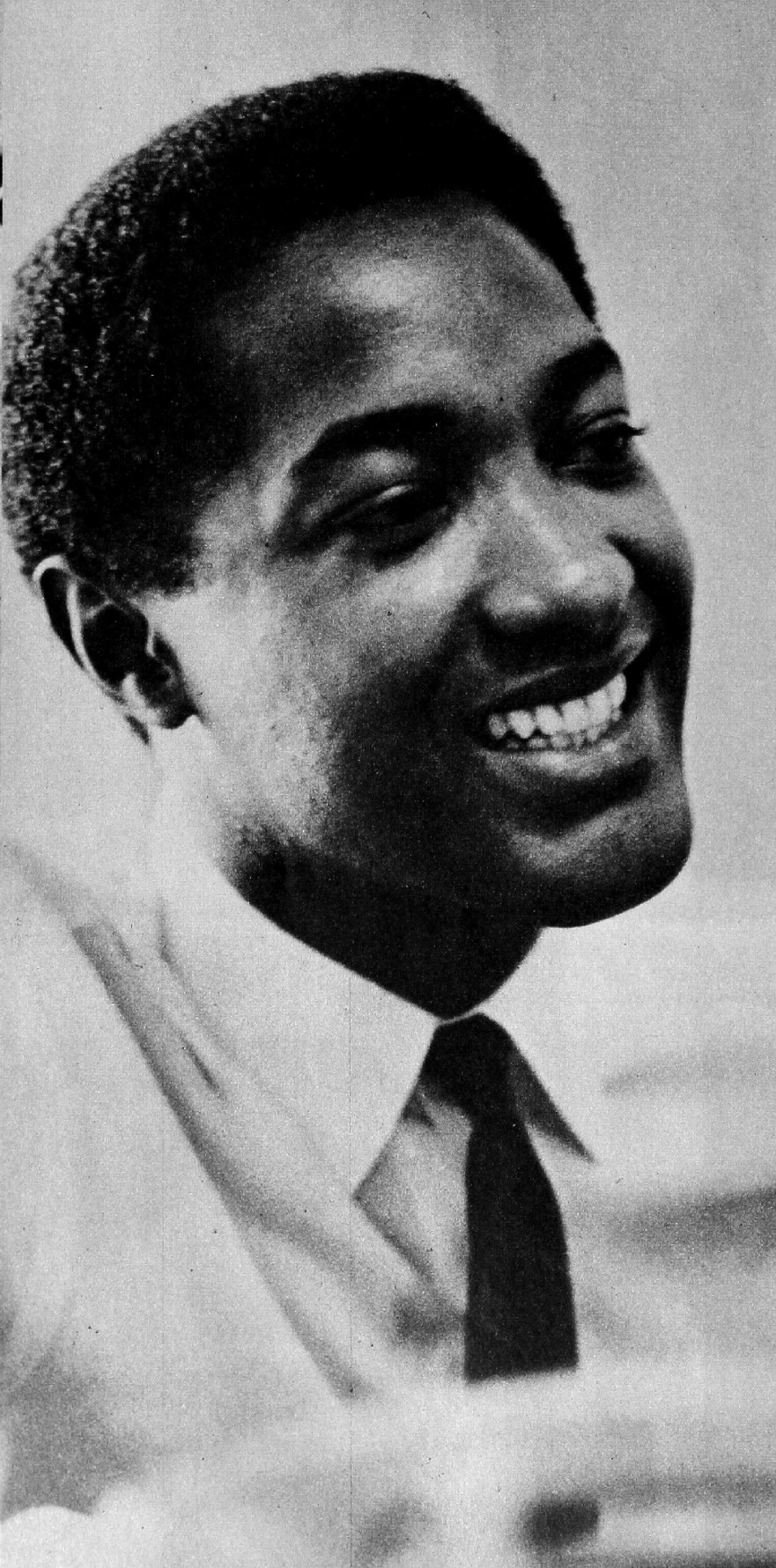
 photo: julius "juice" freeman · cc by 4.0 ↗
The Delfonics
sourcesWikipedia · The Philadelphia Inquirer · Songfacts · Mental Itch
The Delfonics started as the Orphonics, a Philadelphia doo-wop trio formed around 1964 by brothers William and Wilbert Hart with schoolmate Randy Cain at Overbrook High School, taking their name from a stereo system in the Harts' basement. Renamed and paired with a young arranger named Thom Bell in 1967, they became the proof of concept for what would be called the Philadelphia sound: William Hart's high, gliding falsetto set against Bell's orchestral strings and horns on "La-La (Means I Love You)," a 1968 hit that established the template. "Ready or Not Here I Come" and the Grammy-winning "Didn't I (Blow Your Mind This Time)" followed before Bell moved on to produce The Stylistics and The Spinners. Major Harris replaced Cain in 1971; Hart led later lineups of the group until his death in 2022.
the sound in question
1970
Didn't I (Blow Your Mind This Time)The Delfonics
walk the tributaries ↓
The Moonglows1950s · R&B / Doo-wop
The Delfonics' own roots trace back to doo-wop sung at Philadelphia school dances in the early 1960s, the same tradition the Moonglows had helped define a decade earlier with an unusually smooth, tightly blended harmony style built for slow dances rather than street-corner call-and-response. That emphasis on a soft, close-harmony bed under a lead voice, rather than sharp interlocking parts, is the basic doo-wop inheritance Hart and Cain carried into their own arrangements.
listen: upstream & here
1954
SincerelyThe Moonglows
1968
La-La (Means I Love You)The Delfonics
listen forCompare "Sincerely" with "La-La (Means I Love You)" — both wrap the lead vocal in a warm, close-harmony cushion that moves as one soft mass behind the singer, prioritizing blend and atmosphere over any single harmony part standing out.
Frankie Lymon and the Teenagers1950s · Doo-wop / Rock and roll
Frankie Lymon's success as a teenage falsetto lead in the mid-1950s established, years before Hart, that a piercing upper register could be a vocal group's entire identity rather than a novelty break. The Delfonics came up in that same lineage of teenage doo-wop groups built around one distinctive lead, and Hart's own falsetto — which he insisted late in life was simply "my natural voice" pushed higher — extended that basic model into a more orchestrated, adult idiom.
listen: upstream & here
1956
Why Do Fools Fall in LoveFrankie Lymon and the Teenagers
1970
Didn't I (Blow Your Mind This Time)The Delfonics
listen forListen to "Why Do Fools Fall in Love" next to "Didn't I (Blow Your Mind This Time)" — in each, a high, boyish-sounding lead carries the melody almost entirely alone over a simple, repetitive backing figure, the group's role reduced to punctuation around the voice.
Sam Cooke1960s · Soul / R&B / Gospel
Sam Cooke's crossover from gospel quartet singing to smooth, secular pop in the late 1950s gave a generation of Philadelphia and Chicago soul singers a model for phrasing a love song with a gospel tenor's control and grace rather than raw shouting. That gentle, unhurried phrasing — savoring a lyric instead of pushing through it — is audible in the Delfonics' own patient ballads, filtered through Hart's higher, more delicate register.
listen: upstream & here
1957
You Send MeSam Cooke
1968
Ready or Not Here I Come (Can't Hide from Love)The Delfonics
listen forPlay "You Send Me" against "Ready or Not Here I Come (Can't Hide from Love)" — both take their time with a simple declaration of love, stretching syllables and leaving space in the vocal line rather than filling every beat, phrasing that reads as conversational rather than percussive.