walking upstream…
Teddy Pendergrass

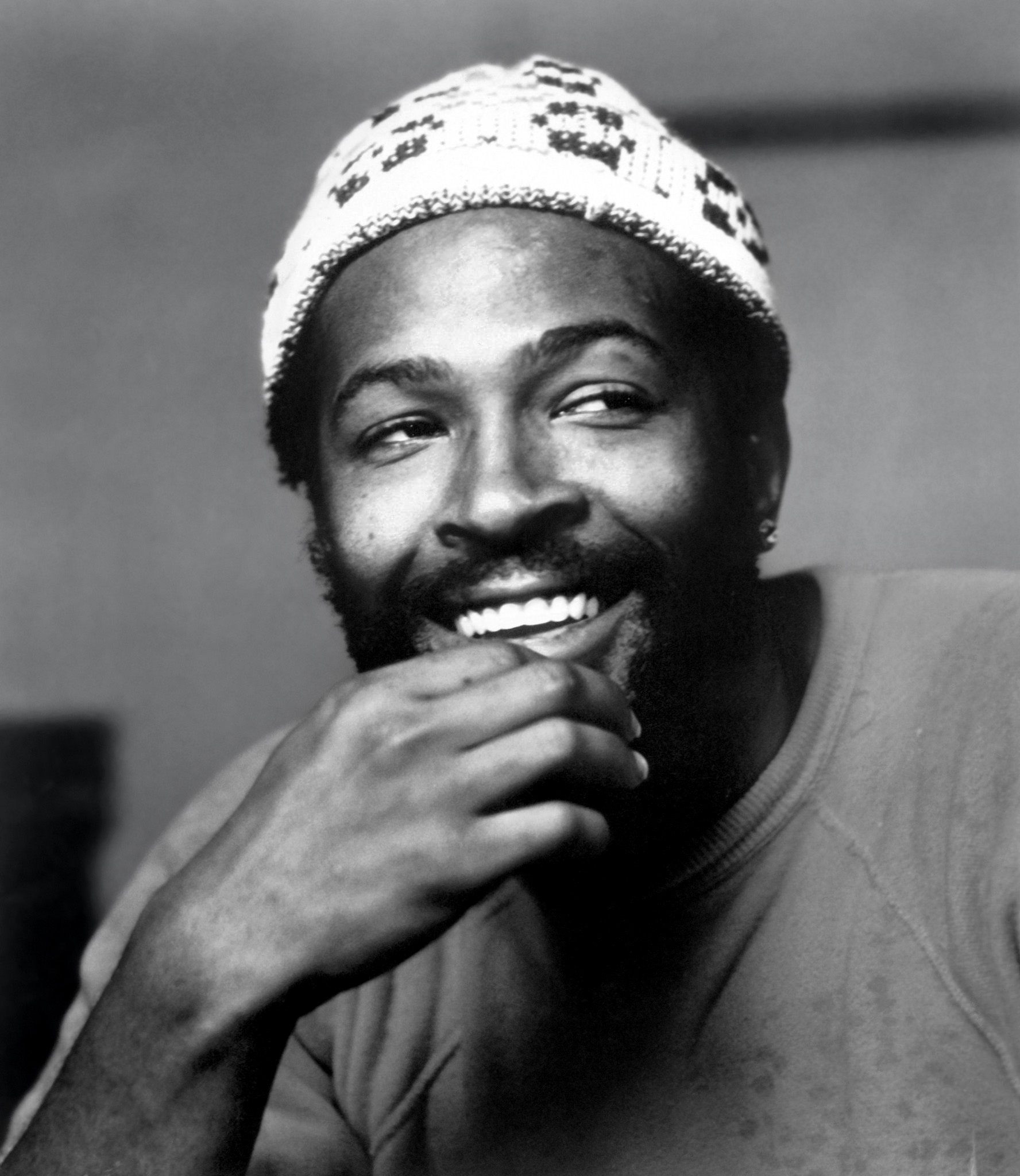
 photo: bernard gotfryd · public domain ↗
Teddy Pendergrass
Born in Kingstree, South Carolina, and raised in Philadelphia, Teddy Pendergrass learned to sing and play drums in his family's Baptist church before joining Harold Melvin & the Blue Notes as a teenage drummer in 1970. When lead singer John Atkins quit that same year, Melvin promoted him to the microphone, and Pendergrass's surging, gospel-scarred baritone carried the group through its Philadelphia International peak on 'If You Don't Know Me By Now' and 'Wake Up Everybody.' He went solo in 1976 and became soul music's reigning sex symbol, stacking five consecutive platinum albums built on seductive slow jams like 'Close the Door' and famous for his 'for women only' concerts. A near-fatal March 1982 car accident left him paralyzed from the chest down; he kept recording and performing, delivering an emotional comeback at Live Aid in 1985.
the sound in question
1978
Close the DoorTeddy Pendergrass
walk the tributaries ↓
Harold Melvin & the Blue Notes1970s · Philadelphia soul / R&B / Doo-wop / Soul
Pendergrass's seven years as the Blue Notes' lead voice were his true training ground: fronting Kenny Gamble and Leon Huff's lush, orchestral productions taught him the dramatic spoken-word intro and the slow-building, string-cushioned arrangement that became the backbone of his solo sound. The showmanship and phrasing he built on 'If You Don't Know Me By Now' carried over almost unchanged once he stepped out under his own name in 1976.
listen: upstream & heresource: Wikipedia ↗
1972
If You Don't Know Me By NowHarold Melvin & the Blue Notes
1978
Life Is a Song Worth SingingTeddy Pendergrass
listen forCompare the spoken, scene-setting intro of 'If You Don't Know Me By Now' with the extended monologue that opens 'Life Is a Song Worth Singing' — the same Gamble-Huff device of talking straight to the listener before the singing even starts.
Otis Redding1960s · Soul / R&B
Critics tracing Pendergrass's vocal lineage have long placed him alongside Sam Cooke, Marvin Gaye, and Otis Redding as the last of a line of red-hot, gospel-fueled deep-voiced soul belters, and his own biography credits Redding directly as a formative model for his singing. Redding's trick of building a lyric from a controlled murmur into an all-out gospel shout, ad-libbed screams and all, is the same dynamic arc Pendergrass leans on across his solo ballads.
listen: upstream & here
1966
Try a Little TendernessOtis Redding
1977
You Can't Hide from YourselfTeddy Pendergrass
listen forCompare 'Try a Little Tenderness,' which builds from a near-whisper into a full-throated, screaming climax, with 'You Can't Hide from Yourself,' where Pendergrass stretches the same trick across a spoken-then-shouted bridge.
Marvin Gaye1970s · Soul / R&B
Writers assessing Pendergrass's solo run have repeatedly cast him as heir to the smooth, explicitly sensual soul Marvin Gaye had pioneered earlier in the decade: a hushed, seductive delivery over a slow-grinding orchestral arrangement, aimed at the bedroom rather than the dance floor. Pendergrass's 'for women only' concerts and slow-jam solo catalogue extended the intimate, direct-address seduction Gaye had popularized.
listen: upstream & here
1973
Let's Get It OnMarvin Gaye
1979
Turn Off the LightsTeddy Pendergrass
listen forSet 'Let's Get It On' next to 'Turn Off the Lights' — both use a hushed, murmured verse and a repeated, whispered command to set a scene, letting the arrangement's slow build do the persuading rather than volume.