walking upstream…
Otis Redding

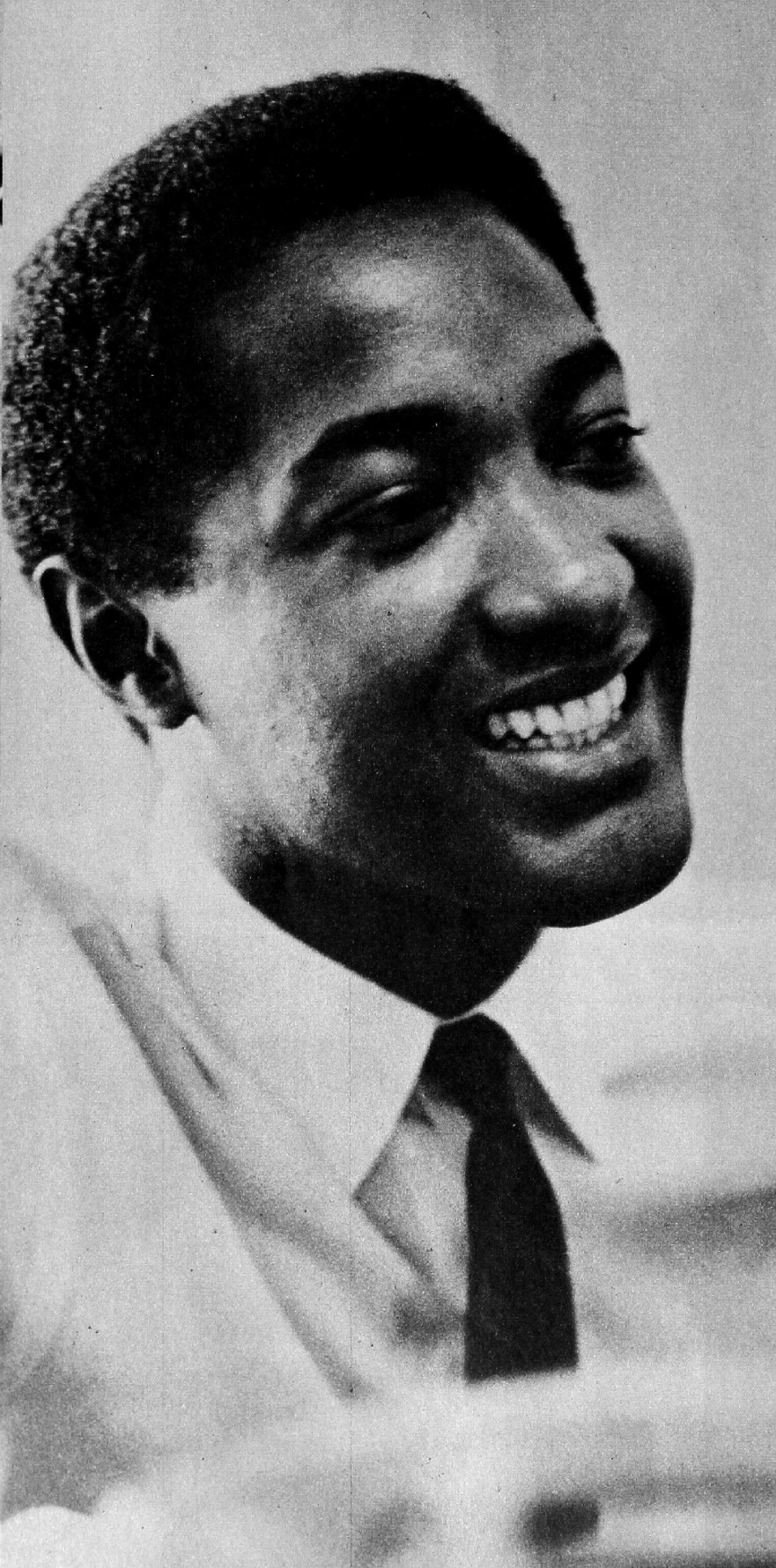
 photo: stax records · public domain ↗
Otis Redding
sourcesStax Records — Otis Redding Spotlight (biography, Stax discovery story) · New Georgia Encyclopedia — Otis Redding (1941-1967) (biography, named influences) · Macon Tourism — Otis Redding (reputation, King of Soul) · Memphis Flyer — Little Richard & Otis Redding · Music Musings & Such — Try a Little Tenderness feature (gospel/church influence) · History of Music — Soul on Fire (gospel influence, Try a Little Tenderness analysis)
On a demo session day in August 1962, Otis Redding wasn't the artist booked — he was guitarist Johnny Jenkins's driver. When studio time ran long, Stax let Redding cut a song of his own; he had a contract in hand by the end of the week. It was a fast rescue for a career built slow: choir solos at Macon's Vineville Baptist Church, Sunday mornings on gospel radio station WIBB, then the road with Little Richard's old band, the Upsetters, after Richard quit rock and roll for gospel. Redding turned church shout and blues ache into the Stax sound — Otis Blue, a star turn at 1967's Monterey Pop that won over a rock crowd — weeks before his plane went down in Lake Monona. He never heard "(Sittin' On) The Dock of the Bay" become his only No. 1.
the sound in question
1968
(Sittin' On) The Dock of the BayOtis Redding
walk the tributaries ↓
Little Richard1950s · Rock and roll / Rhythm and blues / Gospel
Redding said it plainly: "If it hadn't been for Little Richard, I would not be here. I entered the music business because of Richard — he is my inspiration," he told an interviewer in 1966. The debt started literal: at fifteen, Redding dropped out of school to tour with Richard's old band, the Upsetters, sending home $25 a week, according to his brother Rodgers. When Richard inducted Redding into the Rock and Roll Hall of Fame in 1989, he named the exact moment it clicked: "When I heard Otis sing 'Lucille,' I thought it was me!"
listen: upstream & heresource: Cheat Sheet — Otis Redding on Little Richard (Little Richard influence, 1966 interview quotes) ↗
1957
LucilleLittle Richard
1964
LucilleOtis Redding
listen forRichard's original rides a pounding piano triplet under a shredded, whooping shout of the title line. Redding's 1964 cover, the closing track on his debut album Pain in My Heart, keeps that tempo and the same repeated holler of "Lucille" but roughens it — Stax horns stand in for Richard's saxophones, and Redding's huskier, lower voice trades shriek for grit. It's close enough that when Little Richard introduced Redding into the Rock and Roll Hall of Fame decades later, he said hearing it back felt like hearing himself.
Sam Cooke1960s · Soul / R&B / Gospel
When Cooke was shot dead in December 1964, Redding was gutted. Otis Blue, cut months later, folds in a cover of Cooke's "A Change Is Gonna Come" — Redding said he recorded it to "fill the silent void" Cooke's death left behind. The critic Peter Buckley, in his book The Rough Guide to Rock, heard the same debt in Redding's whole delivery, describing a voice that "combined Sam Cooke's phrasing with a brawnier delivery."
listen: upstream & here
1964
A Change Is Gonna ComeSam Cooke
1965
A Change Is Gonna ComeOtis Redding
listen forCooke's original glides on strings and a church-trained control that barely rises above a murmur even as the lyric reaches for hope. Redding's Otis Blue version strips the orchestra for Stax's house band and horns, and lets the vocal go where Cooke held back — cracking, straining, nearly shouting the same lines Cooke sang smooth. It's the clearest place to hear what Redding took directly from Cooke, and what grit he added on his own.
Black Gospel Quartet Tradition1940s–1960s · Gospel
Redding's first stage was the choir loft. One account of his early life records that he "got his first experience as a musician singing in the choir at Macon's Vineville Baptist Church," and by his teens he was on Sunday-morning gospel broadcasts on Macon's WIBB-AM. That churchgoing, radio-broadcast gospel — call-and-response, a shout building toward collapse — became the engine under his secular records. On "Try a Little Tenderness," one critic wrote, by the final verse "his voice cracks, shouts, and growls, pushing his vocal cords to their limits."
listen: upstream & here
1959
Oh Mary Don't You WeepBlack Gospel Quartet Tradition
1966
Try a Little TendernessOtis Redding
listen forPut the Swan Silvertones' 1959 recording of the spiritual "Oh Mary Don't You Weep" beside Redding's "Try a Little Tenderness": both build from a calm, measured opening into a leader-and-chorus shout, the lead voice breaking apart under the weight of what it's saying while the group surges in behind him. Redding's is a horn section and the Stax house band standing in for the choir, but the architecture — restraint, then rupture — is the one he grew up singing every Sunday.