walking upstream…
Tammy Wynette


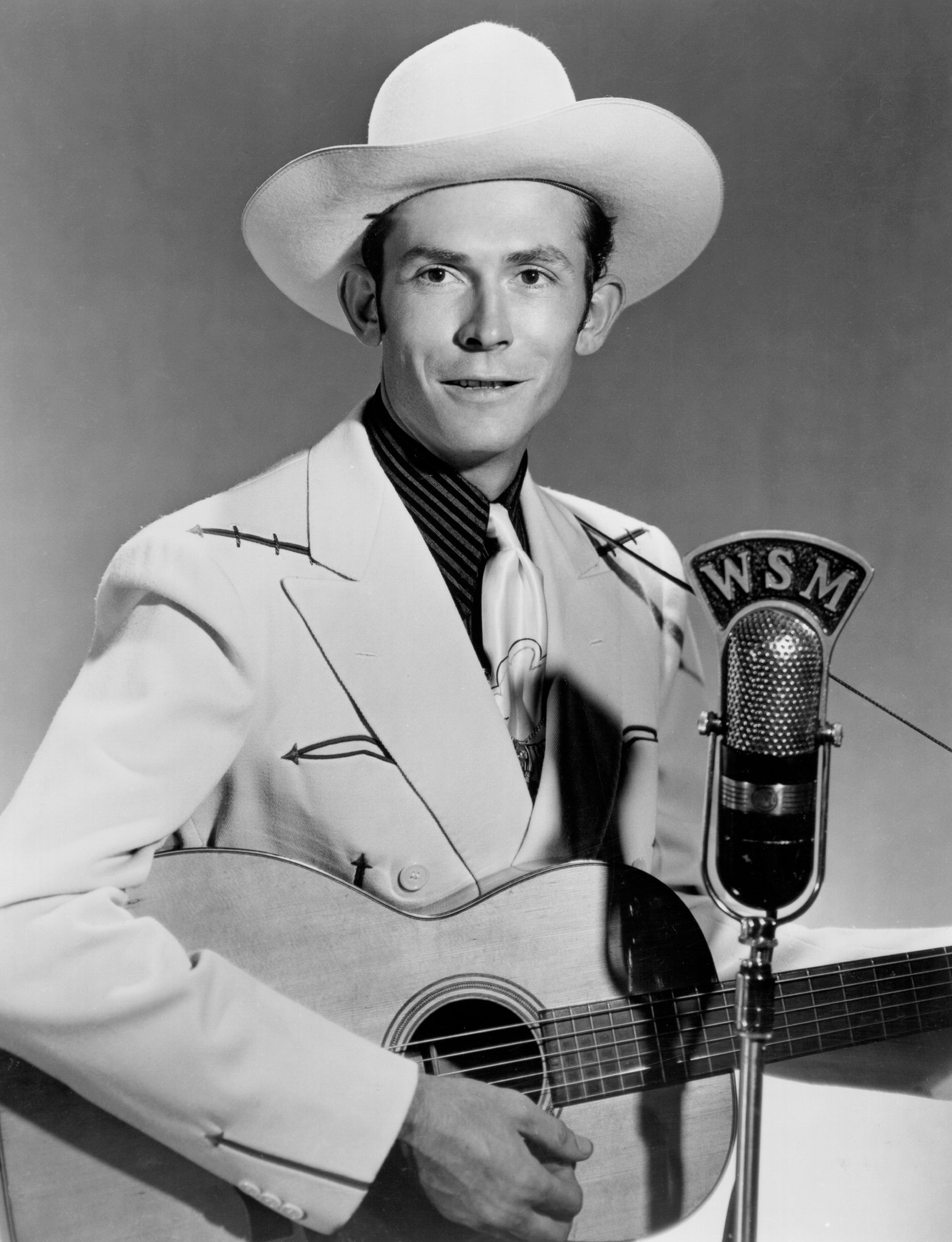
 photo: gene pugh · cc by-sa 2.0 ↗
Tammy Wynette
sourcesWikipedia · Biography.com — Wynette and Jones's relationship (independent corroboration of the childhood-idol framing) · Official Tammy Wynette artist site (backs the George Jones "idol" framing and childhood cotton-field years) · Wide Open Country — Charley Pride/Hank Williams tribute roundup (backs the 1983 Hank Williams medley) · The New York Times — Billy Sherrill obituary, 2015 (backs the producer's role in the bio)
Virginia Wynette Pugh grew up in Itawamba County, Mississippi, working her grandparents' cotton fields and vowing, as she put it, to "do anything before I'd go back to that life." By her mid-twenties she was a divorced mother of three cutting hair in a Birmingham beauty shop and singing on local television before dawn. In 1966 she walked into producer Billy Sherrill's Nashville office broke and pregnant; he heard what he called "a little teardrop" in her voice, renamed her Tammy, and spent the next decade writing and producing the countrypolitan records that made her the biggest female star in country music. "Stand by Your Man," released in 1968, made her both famous and, for the same reasons, controversial. The girl who sang gospel on Alabama radio to escape the cotton fields had been rehearsing heartbreak long before Nashville gave her a stage for it.
the sound in question
1968
Stand by Your ManTammy Wynette
walk the tributaries ↓
Patsy Cline1960s · Country / Nashville sound / Traditional pop
In 1965, pregnant with her third child and freshly divorced, Wynette got her first real audition: a slot on Birmingham's Country Boy Eddie television show, arranged by an uncle who believed in her. For it she chose Patsy Cline's "Sweet Dreams," according to Magnolia Tribune's account of her early years — a record she'd grown up hearing among the radio stars, Cline included, that a Gale Group reference biography says fed her girlhood dreams of stardom. The song that launched her, in other words, wasn't her own.
listen: upstream & heresource: Notable Biographies (Gale Group) — reference biography (backs both the George Jones and Patsy Cline entries) ↗
1963
Sweet DreamsPatsy Cline
1968
Sweet DreamsTammy Wynette
listen forCline's 1963 recording is a lesson in restraint: Nashville-sound strings swell around her, but her voice stays low and conversational until the title phrase, where she finally lets it bend and ache. On Wynette's 1968 studio version, from the D-I-V-O-R-C-E album, listen for how closely she follows that same arc — the same held-back verses, the same release on "sweet dreams" — a direct cover of the very song she'd sung at her first audition, five years after Cline's death.
George Jones1950s–80s · Country / Honky-tonk
Long before George Jones was her husband, he was the singer Wynette idolized from the radio. Growing up poor in Alabama and Mississippi, she followed his honky-tonk hits for years before they ever met as adults, and, as People reported after her death, "used to daydream about him back on the farm." "I loved him from the start," she told the magazine in 1998 — a fixation built entirely on his records, formed while she was still a girl, that survived two failed marriages before she ever spoke to him as an adult.
listen: upstream & heresource: People — "Heroine of Hardship" obituary, 1998 (backs the George Jones pre-marriage idolization and her own quote) ↗
1962
She Thinks I Still CareGeorge Jones
1966
Apartment #9Tammy Wynette
listen forJones's 1962 hit is built on his trademark move: a plainspoken verse sung just behind the beat that suddenly opens up, mid-line, into a wounded, held note before dropping back to a murmur. On "Apartment #9," the single that introduced Wynette to radio four years later, listen for that same behind-the-beat patience and the way her voice cracks open on the song's title phrase — the phrasing habit of a childhood fan, arriving in a twenty-four-year-old's first recorded performance before her own style had fully formed.
Hank Williams1940s-50s · Country / Honky-tonk
As a teenager, Wynette sang gospel with two friends in a trio called Wynette, Linda & Imogene, and Magnolia Tribune's account of those years is specific about what shaped them: the girls "loved to listen to" Hank Williams, alongside Ernest Tubb, on records by a star who had died when Wynette was ten. What she absorbed came secondhand, from vinyl played in a Mississippi farmhouse, years before a television audition or a Nashville contract existed for her to imagine.
listen: upstream & heresource: Magnolia Tribune — "Mississippi Legends ↗
1949
I'm So Lonesome I Could CryHank Williams
1983
I'm So Lonesome I Could CryTammy Wynette
listen forWilliams's 1949 original is spare almost to starkness — just his voice, a fiddle, and a steel guitar underlining every self-pitying turn of phrase, the vocal cracking exactly where the lyric says it should. In a 1983 televised all-star tribute, Wynette sang the same song live, trading verses with singer Janie Fricke — Wide Open Country's account of the broadcast notes that "Fricke holds her own while helping Wynette sing" it. Listen for how much of Williams's original hangs on in her reading: the plainness, the same lyric-driven crack, carried from a solo honky-tonk record onto a shared, decades-later stage.