walking upstream…
Patsy Cline

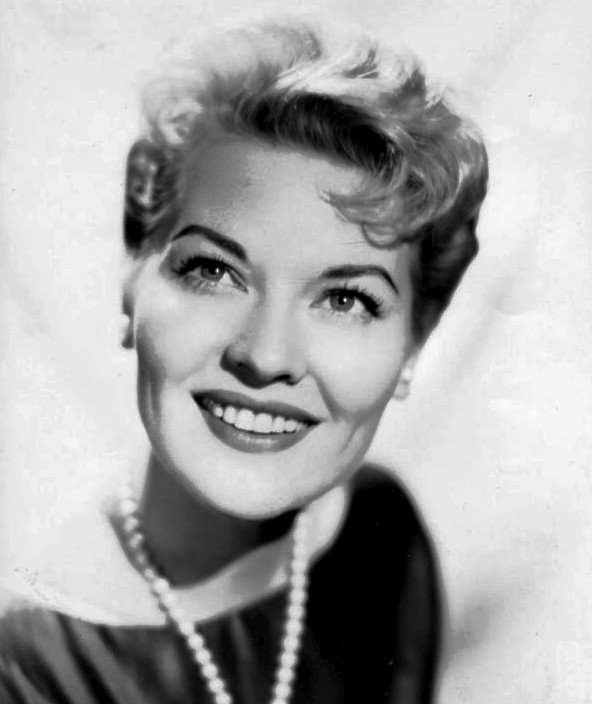
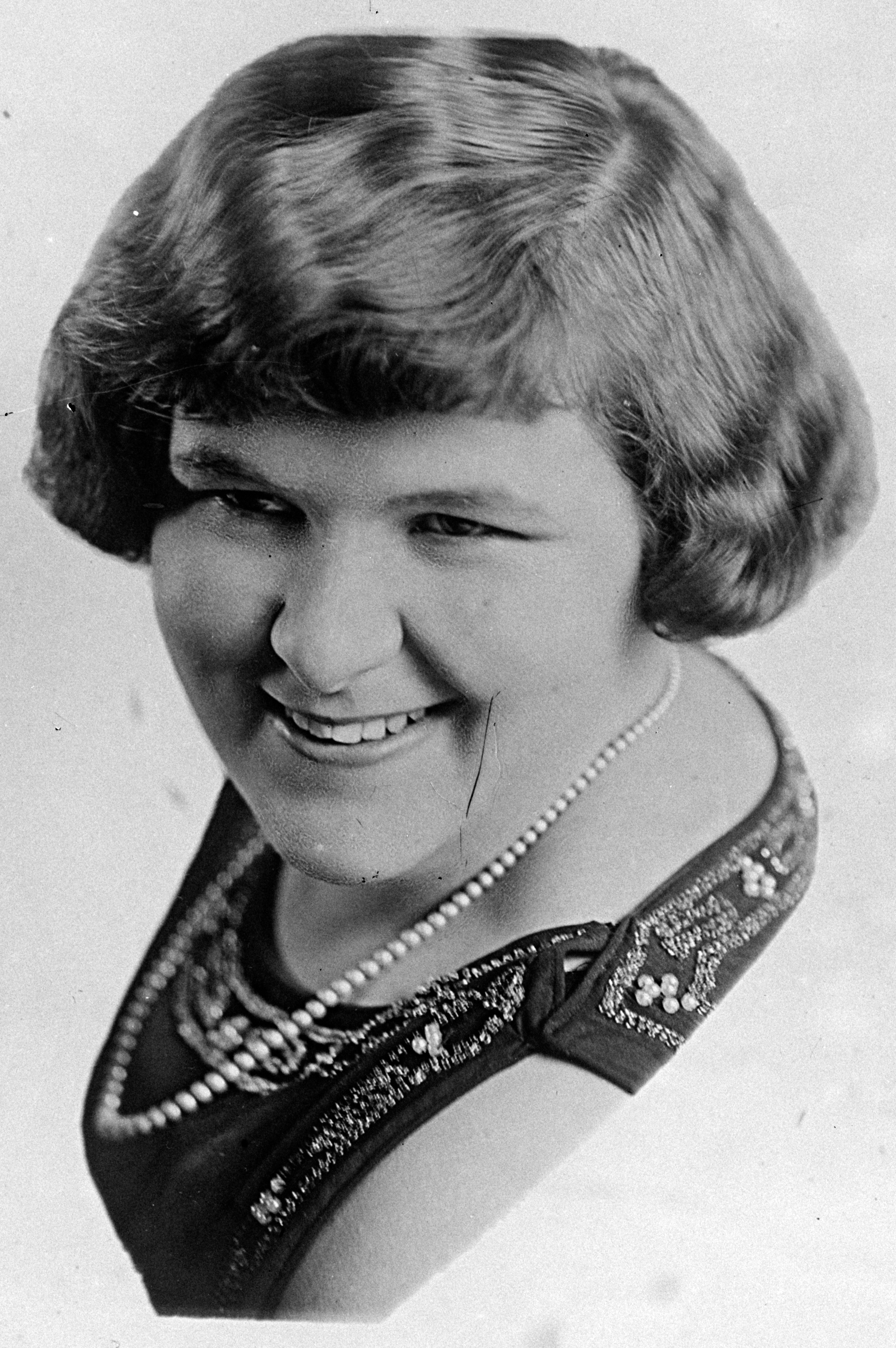
 photo: decca records · public domain ↗
Patsy Cline
sourcesWikipedia — Patsy Cline (Influences section and reference trail) · Rolling Stone — 100 Greatest Country Artists of All Time (bio, career overview) · American Songwriter — On This Day in 1957 (Walkin' After Midnight / Kay Starr rejection anecdote) · The Washington Post — Kay Starr obituary ("fervent devotee" claim) · Lansing State Journal — Life of Patsy Cline told on PBS (Kate Smith / Patsy Montana influences)
Born Virginia Patterson Hensley in Winchester, Virginia in 1932, Patsy Cline nearly lost her voice as a child to a throat infection so severe it stopped her heart, and came out of it, by her own account, with a far bigger instrument than the one she'd had before. That instrument carried her out of Nashville's honky-tonk clubs and into the pop mainstream: "Walkin' After Midnight" in 1957, then "I Fall to Pieces" and "Crazy" as the 1960s opened, all recorded with producer Owen Bradley's smooth, string-laced "Nashville Sound." She died in a 1963 plane crash at the height of her career. A pop-trained belt grafted onto hillbilly heartbreak — Patsy Cline made that combination the template every crossover country woman since has worked from.
the sound in question
1961
CrazyPatsy Cline
walk the tributaries ↓
Kay Starr1950s · Traditional pop / Jazz / R&B
Cline grew up a "fervent devotee" of Kay Starr's gritty pop belt, per the Washington Post's account of her youth, and the debt runs deeper than admiration: songwriter Don Hecht wrote "Walkin' After Midnight" for Starr first, and only turned to Cline after Starr rejected it. The song that made Cline a crossover star was Starr's castoff — she inherited both the tune and the vocal-power blueprint behind it.
listen: upstream & heresource: Chicago Tribune — "A Real 'Patsy'" (bio, Kay Starr vocal-influence claim) ↗
1952
Wheel of FortuneKay Starr
1957
Walkin' After MidnightPatsy Cline
listen forStarr's "Wheel of Fortune" pushes a bluesy, almost rock and roll shove behind every phrase, backed by a driving rhythm section built for a jukebox rather than a barn dance. Cline's "Walkin' After Midnight," the very song Starr turned down, applies that same unadorned, full-chested attack to a lyric that started life as straight pop; listen for how little country inflection either singer allows into the vowels, and how both hold the last note past where a hillbilly singer would let go.
Patti Page1950s · Traditional pop / Country
Meeting Cline's husband years later in Nashville, Patti Page recalled him telling her, "I just wish Patsy could have met you because she just adored you and listened to you all the time and wanted to be like you." The two even cut the same song months apart, "A Poor Man's Roses (Or a Rich Man's Gold)" — Page remembers recording it first, though the documented studio dates actually put Cline's version down earlier, a small mystery neither singer lived to sort out.
listen: upstream & heresource: Goldmine Magazine — Remembering Patti Page with a 2003 Interview (Page's own testimony) ↗
1957
A Poor Man's Roses (Or a Rich Man's Gold)Patti Page
1957
A Poor Man's Roses (Or a Rich Man's Gold)Patsy Cline
listen forPlay both women's "A Poor Man's Roses" back to back: Page keeps the melody smooth and slightly detached, a pop singer visiting a country song over a light orchestral shuffle. Cline leans harder into the ache on the same lines, thickening her vibrato and dragging just behind the beat where Page stays clean and on top of it — the same tune, pulled toward two different rooms.
Kate Smith1930s · Traditional pop / Vocal
Cline's own account of finding her voice runs through Kate Smith by name: recovering as a child from a throat infection severe enough to stop her heart, she said, "I recovered from that illness with a voice that boomed forth like Kate Smith's!" A later PBS documentary on Cline corroborates that she "talked of" Smith, radio's reigning contralto, as one of the singers she measured her own sound against.
listen: upstream & heresource: American Songwriter — The Best 18 Patsy Cline Quotes (Kate Smith quote, Cline's own words) ↗
1931
When the Moon Comes Over the MountainKate Smith
1963
Sweet Dreams (Of You)Patsy Cline
listen forSmith's theme song "When the Moon Comes Over the Mountain" is built to fill a room without a microphone's help — long, sustained notes with no attempt to sound intimate. Cline's "Sweet Dreams (Of You)," recorded the year she died, asks the same enormous instrument to sound heartbroken instead of triumphant; listen for how much power she holds in reserve under the strings before letting it out.