walking upstream…
Soundgarden
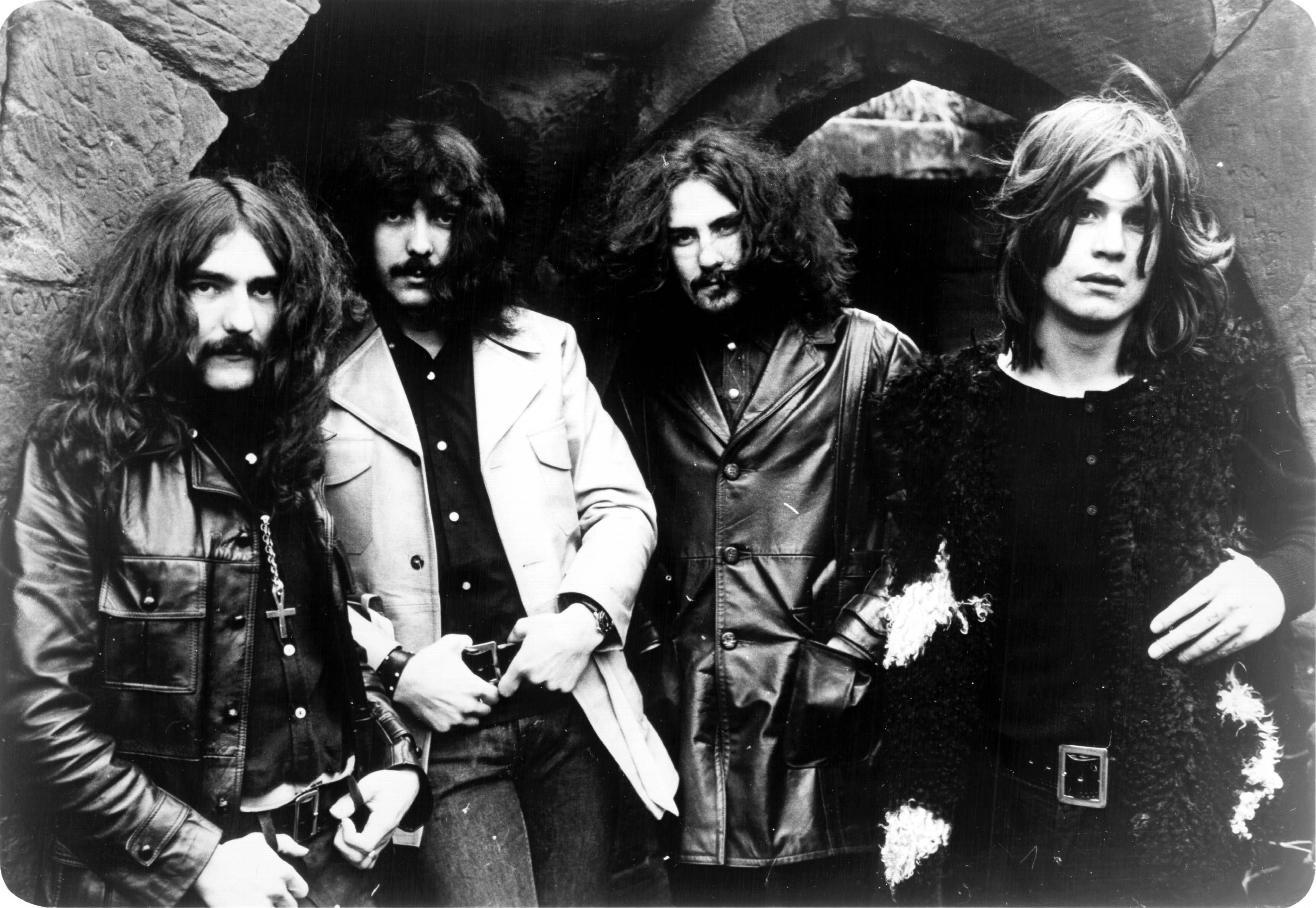


 photo: xrayspx · cc by-sa 2.0 ↗
Soundgarden
Formed in Seattle in 1984, Soundgarden fused the doom-heavy riffing of Black Sabbath with the melodic ambition of the Beatles and the sprawling scope of Led Zeppelin, arriving at a sound heavier and stranger than the punk scene it grew out of. Chris Cornell's four-octave wail and Kim Thayil's serpentine, drop-tuned riffs made the band one of grunge's founding acts, and Superunknown's "Black Hole Sun" and "Spoonman" carried that hybrid sound to the top of the charts in 1994. Cornell's death in 2017 ended the band's most active chapter, though the surviving members have reunited for occasional tributes and reissue projects since.
the sound in question
1994
Black Hole SunSoundgarden
walk the tributaries ↓
Black Sabbath1970s · Heavy metal / Hard rock
Cornell said flatly that "Sabbath kind of rescued me from being a Kiss fan," and Thayil described the band's own early sound as "Sabbath-influenced punk" — Soundgarden's detuned, lumbering low end and doom-adjacent riffing trace directly back to Tony Iommi's playbook.
listen: upstream & heresource: Chris Cornell on Black Sabbath "rescuing" him from being a Kiss fan (Far Out Magazine, citing BBC's First Time With...) ↗
1970
Iron ManBlack Sabbath
1991
Jesus Christ PoseSoundgarden
listen forLine up Black Sabbath's "Iron Man" against Soundgarden's "Jesus Christ Pose" — both ride a stomping, downtuned riff that drags rather than gallops, the same molasses-thick low end.
The Beatles1960s · Rock / Pop / Rock and roll
Cornell called the Beatles a huge inspiration from his teenage years on, and Soundgarden's sound has been described as a fusion of Beatles melody with Black Sabbath's heaviness — a hybrid Cornell pointed to directly, noting that the White Album's "Everybody's Got Something to Hide Except Me and My Monkey" could almost pass for a Soundgarden song.
listen: upstream & here
1968
Everybody's Got Something to Hide Except Me and My MonkeyThe Beatles
1994
Black Hole SunSoundgarden
listen for"Black Hole Sun" is the clearest example — a warm, almost sunny vocal melody and chord progression straight out of Sgt. Pepper-era psychedelic pop, dropped on top of one of the band's heaviest, most Sabbath-indebted arrangements.
Led Zeppelin1970s · Hard rock / Blues rock
Thayil has described how the band initially resisted being compared to Led Zeppelin — "we were like, 'Zeppelin, Zeppelin, Zeppelin,' and we were like, OK, let's check some of this out" — before coming around to hearing the connection in their own riffing and Matt Cameron's complex, Bonham-indebted drumming.
listen: upstream & heresource: Kim Thayil, Rolling Stone essay on Led Zeppelin's Physical Graffiti at 40 — on Soundgarden's evolving embrace of the Zeppelin comparison ↗
1975
KashmirLed Zeppelin
1994
SpoonmanSoundgarden
listen forListen to the tumbling, odd-metered groove on "Kashmir" and then Matt Cameron's own lurching, off-kilter time signature on "Spoonman" — both bury a hooky vocal inside a rhythm that refuses to sit in straight 4/4.