walking upstream…
Sister Rosetta Tharpe

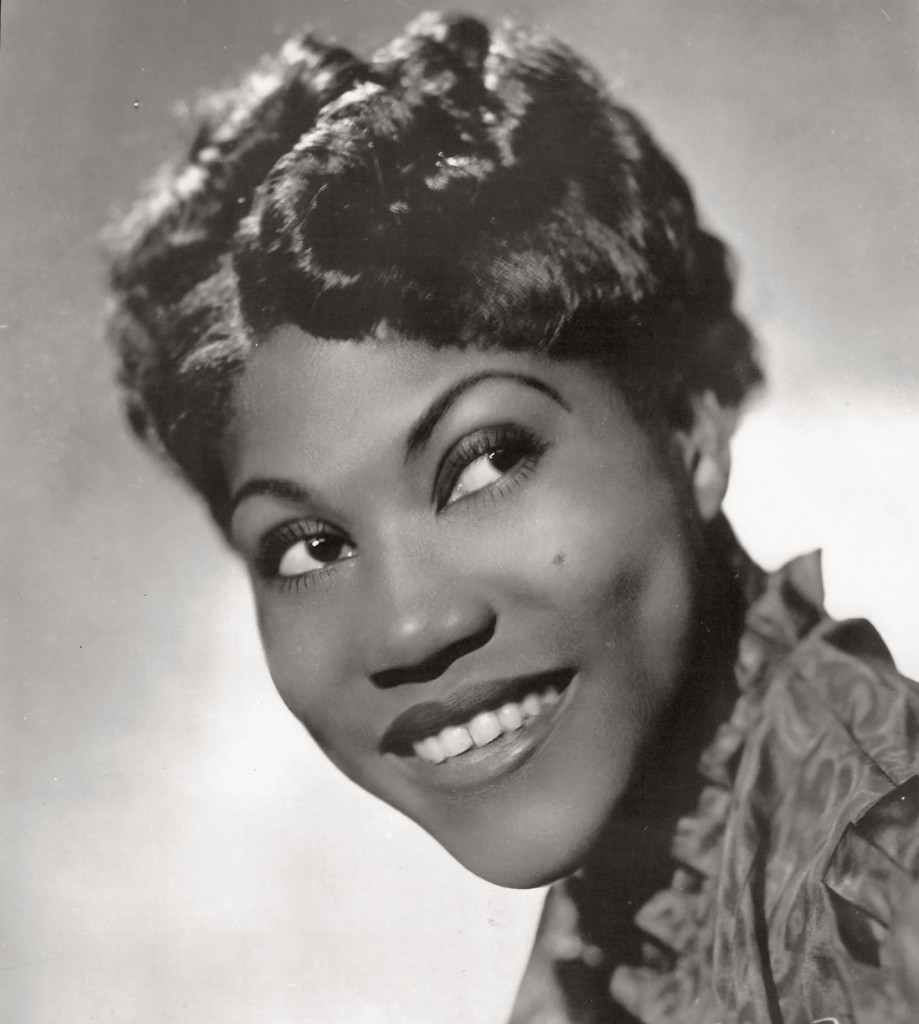 photo: james j. kriegsmann · public domain ↗
Sister Rosetta Tharpe
sourcesWikipedia — Sister Rosetta Tharpe (lead biography) · Encyclopedia of Arkansas — Sister Rosetta Tharpe (biography, guitar-style influences) · NPR — How One Of Music's Biggest Stars Almost Disappeared (legacy, Johnny Cash quote) · Cross Rhythms — Arizona Dranes · Rock & Roll Hall of Fame — Sister Rosetta Tharpe 2018 induction essay by Gayle Wald (biography, mother and Dranes influence)
In the fall of 1938, twenty-three-year-old Rosetta Tharpe walked onto the stage of Harlem's Cotton Club and, as her biographer Gayle Wald has written, did "what no performer sprung from the rich musical traditions of black Pentecostalism had ever previously dared" — she played the sanctified sound of her mother's church for a room out for a Saturday night, not salvation. That mother, Katie Bell Nubin, was an evangelist and mandolin player in the Pentecostal Church of God in Christ (COGIC) who raised Rosetta inside a Chicago storefront congregation and toured billed alongside her for years, though no recording of Nubin's own playing survives to prove her influence directly. Tharpe took what she absorbed there, plugged in an electric guitar, and made it sound like the future. She died in 1973, broke and unmarked, decades before the world caught up to what she'd already invented.
the sound in question
1944
Strange Things Happening Every DaySister Rosetta Tharpe
walk the tributaries ↓
Arizona Dranes1920s · Gospel
At Chicago's Roberts Temple Church of God in Christ, an eleven-year-old Rosetta Tharpe sat in the congregation while the blind pianist Arizona Dranes tore through ragtime-inflected "sanctified" gospel on the church's upright. "It was probably like hearing Jimi Hendrix for the first time," the music historian Michael Corcoran has said of Dranes's impact there — "there was nothing like it before." Both Tharpe's own Rock Hall biographer and the Encyclopedia of Arkansas credit Dranes directly as a shaping force on the guitar style Tharpe went on to build.
listen: upstream & heresource: NPR — Arizona Dranes, Forgotten Mother Of The Gospel Beat (Dranes and Dorsey influence) ↗
1928
I Shall Wear a CrownArizona Dranes
1939
This TrainSister Rosetta Tharpe
listen forCue Dranes's 1928 "I Shall Wear a Crown": her piano lands in short, syncopated bursts, pushing the choir ahead of the beat rather than following it, a barrelhouse attack borrowed from outside the church. Then play Tharpe's "This Train" — the same forward-leaning drive is there, just moved from piano to guitar, snapping out rhythm under her voice instead of cushioning it underneath.
Thomas A. Dorsey1930s · Gospel / Blues
Thomas Dorsey was already being called the father of gospel music by the time Tharpe cut his hymn "Precious Lord, Take My Hand" for Decca in 1941, one of only a handful of commercial recordings of the song made in its first decade — and years before Dorsey ever recorded it himself. "He figured, well, I can take blues and put that to gospel music and come up with something new," the historian Michael Corcoran has said of Dorsey's own breakthrough. Tharpe sang that same "gospel blues" ache the way she'd learned it in Holiness-church pews, just carried through her fingers instead of a piano.
listen: upstream & here
1934
If I Could Hear My Mother Pray AgainThomas A. Dorsey
1938
Rock MeSister Rosetta Tharpe
listen forPlay Dorsey's 1934 recording of "If I Could Hear My Mother Pray Again": a loose, half-spoken delivery over piano, treating a hymn like a blues confession rather than a formal offering. Then play Tharpe's "Rock Me," her first Decca side — the same unhurried, first-person plea to God, only now voiced through an electric guitar she growls and picks at as if it's talking back to her.