walking upstream…
Selena Quintanilla

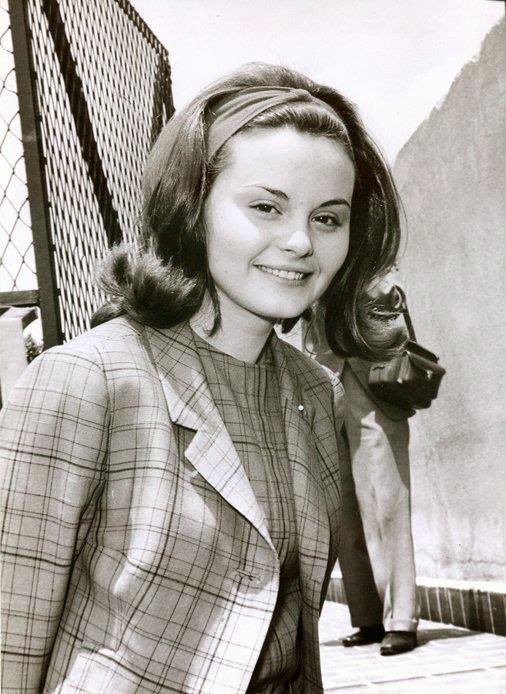
 photo: unknown · public domain ↗
Selena Quintanilla
In the early 1980s, the Quintanillas lost the Papagayo, the Lake Jackson, Texas restaurant her father Abraham had sunk his savings into, when the Gulf Coast oil bust hit. "We were a middle class family who lost everything and became poor," Selena said later. "We were on food stamps." The restaurant's stage had already turned a shy six-year-old into a performer; at nine she was singing professionally to help feed the family, fronting a band built from her father, brother, and sister. She built her ear the same way: "I have this thing about being like a parrot," she said, mimicking whatever singer was on the radio until the mimicry became her own style. EMI Latin signed her in 1989; six years later, mid-crossover into English-language pop, she was murdered by her fan club's president at 23, having turned a regional, male-dominated genre into a stage a woman could headline.
the sound in question
1994
Bidi Bidi Bom BomSelena Quintanilla
walk the tributaries ↓
Gloria Estefan1980s · Pop / Latin pop / Dance
When interviewers pressed Selena on being called "the next Gloria or the next Madonna," she didn't deflect — she named one artist specifically. "Gloria Estefan has her own style," she told Latin Style Magazine in 1995. "I admire her and respect her highly because she is an Hispanic woman who's opened doors for everybody else that has come along." EMI Latin had been chasing that same comparison since it signed her, betting Selena's crossover ambitions could repeat the commercial breakthrough Estefan, fronting Miami Sound Machine, had already proven possible for a Latina singer in English-language pop.
listen: upstream & here
1985
CongaGloria Estefan
1990
Baila Esta CumbiaSelena Quintanilla
listen forPlay Estefan's 1985 breakthrough "Conga" against Selena's "Baila Esta Cumbia" (1990) and the shared strategy is audible before either woman's voice is: horns as the hook, riding a beat built to move a mixed-language dance floor, not a strictly regional one. Estefan's brass drives a conga rhythm into disco fours; Selena's horn line rides a Tejano cumbia groove aimed at the same crossover audience — a Latina bandleader engineering a record for English- and Spanish-speaking dancers at once, the exact commercial lane Estefan had opened.
Rocío Dúrcal1980s · Ranchera / Latin pop / Bolero
Selena named Rocío Dúrcal twice in one interview, unprompted — once among the artists she grew up on, once among who she still loved as an adult. "I like the Spanish artist, Rocio Durcal who's been around a long time," she said. "I really admire her." The admiration reached the studio: for 1990's Ven Conmigo, songwriter Ricky Vela pushed for Selena to cut Juan Gabriel's "Yo Me Voy" because he loved Dúrcal's 1987 recording of it, and her brother A.B. agreed the song belonged on the album.
listen: upstream & here
1987
Yo Me VoyRocío Dúrcal
1990
Yo Me VoySelena Quintanilla
listen forCue up Dúrcal's 1987 "Yo Me Voy" next to Selena's 1990 version from Ven Conmigo — same Juan Gabriel melody and lyric, two different rooms. Dúrcal sustains the heartbreak in long, string-swept ranchera phrasing built for a mature belter's range; Selena, not yet twenty, tightens the same lines over her band's Tejano-conjunto arrangement, accordion and horns standing in for strings — proof a teenager could carry a standard tied to one of the genre's most revered interpreters.
Laura Canales1980s · Tejano / Conjunto
Selena called Laura Canales "one of the first ladies in Tejano music... she was the only one at the time," and remembered opening for her as a teenager: "When I opened for her it was like, 'Oh Wow.'" It wasn't sentimental exaggeration — Canales had won the Tejano Music Awards' Female Vocalist trophy every year from 1983 through 1985, in a genre with almost no women fronting bands, until 1986, when 15-year-old Selena beat her for it. The two stayed friendly as their careers overlapped; Canales attended Selena's funeral in 1995.
listen: upstream & heresource: Handbook of Texas — Canales, Laura (backs Laura Canales' trailblazer role and direct lineage to Selena) ↗
1982
Sí Viví ContigoLaura Canales
1992
Como la FlorSelena Quintanilla
listen forSet Canales' 1982 breakthrough "Sí Viví Contigo" against Selena's 1992 signature "Como la Flor" and hear the template still holding a decade later: a woman's lead voice riding a conjunto-rooted, accordion-inflected Tejano ballad arrangement built for a regional dance-hall crowd, not built around a male bandleader. Canales proved that sound could headline commercially; Selena's record, recorded six years after topping Canales for the genre's top vocal award, is the same bet paying off on a bigger stage.