walking upstream…
Gloria Estefan

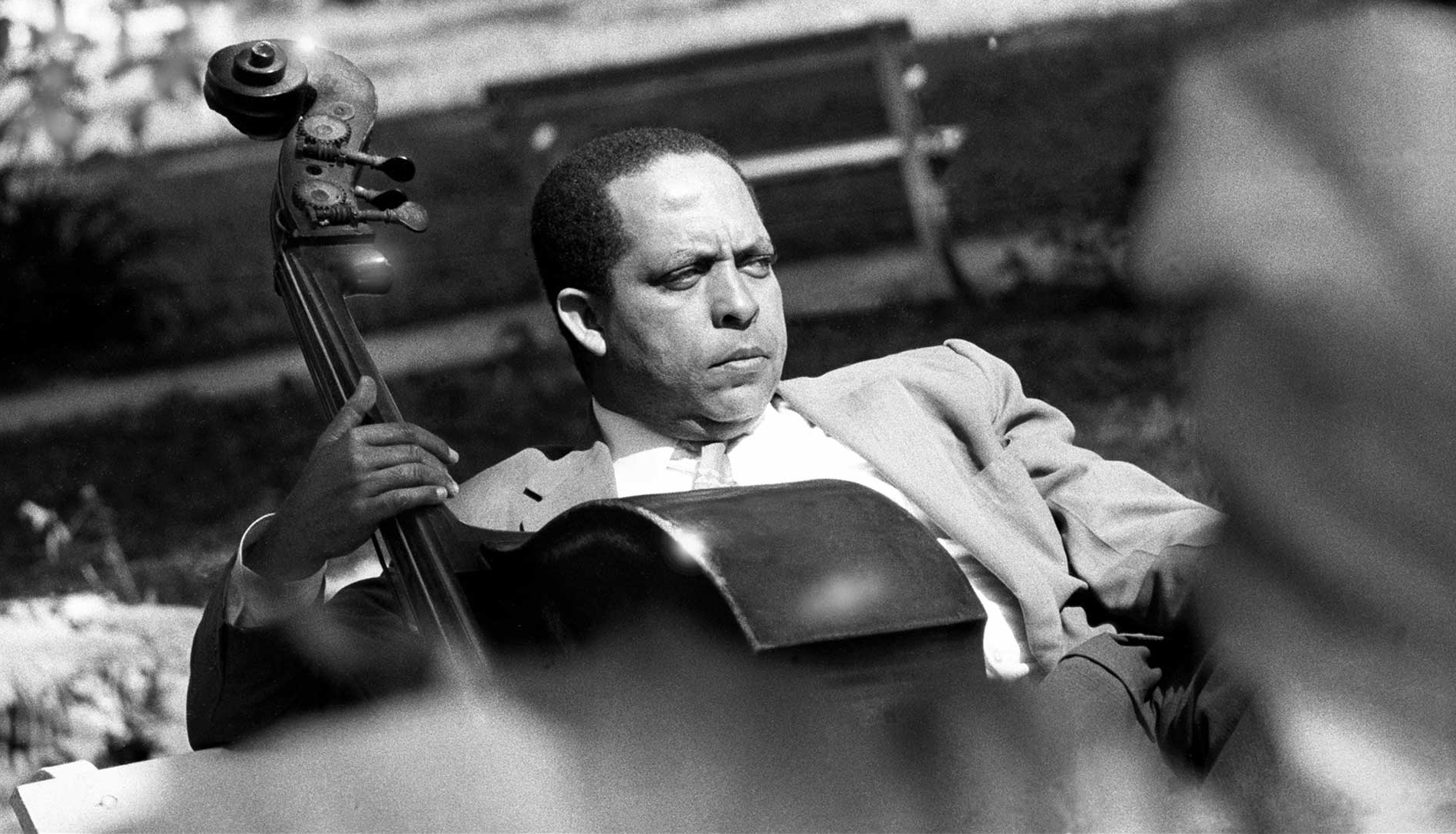

 photo: u.s. state department · public domain ↗
Gloria Estefan
sourcesWikipedia · AARP — "As Told To Ernesto Lechner" (Estefan's own account of her earliest musical diet) · Albumism — "Gloria Estefan's Mi Tierra Turns 30" (Cachao's role on the album) · Billboard — "20 Questions With Gloria Estefan," 2023 (on Stevie Wonder as a songwriting influence) · A&U Magazine — Gloria Estefan profile, 2003 (confirms Stevie Wonder duet on Unwrapped)
In 1961, two years after her family fled Castro's Cuba for Miami, four-year-old Gloria Fajardo got her musical education by mail: her grandmother, still in Havana, secretly sent along the family's record collection. "I grew up listening to the great Latin musicians: Celia Cruz, Cachao, El Gallo, Los Panchos, Javier Solís… la Orquesta Aragón," Estefan later said. Those records, spun in a household already strained by her father's Bay of Pigs service and the multiple sclerosis that followed, became the raw material for a career built on translation — Cuban rhythm carried into American pop the way the records themselves had been carried out of Cuba. Fronting Miami Sound Machine, she turned that fusion into "Conga" (1985), the first song to simultaneously top Billboard's pop, R&B, Latin and dance charts, opening a commercial lane for Latin artists in English-language pop that reshaped the decades after.
the sound in question
1985
CongaGloria Estefan
walk the tributaries ↓
Celia Cruz1970s · salsa / guaracha / son cubano
Cruz is one of only two people Estefan has ever called, without qualification, her biggest influence. "Celia stepped on stage, and it's like the world stood still," she told Google Arts & Culture — praise for a stage presence, not just a record collection. The relationship outgrew fandom: Emilio Estefan directed Cruz's first music video, the couple wrote her a song, and in 2000 Cruz herself sang alongside Gloria on "Tres Gotas de Agua Bendita," her signature cry of "¡Azúcar!" landing inside someone else's record. "I think those two represent the biggest influences in my life," Estefan said of Cruz and one other name.
listen: upstream & heresource: Billboard — Latin Women in Music Legend interview, 2024 (on Celia Cruz) ↗
1974
QuimbaraCelia Cruz
2000
Tres Gotas de Agua BenditaGloria Estefan
listen forOn "Quimbara" (1974), Cruz turns a two-note vamp into a clinic in rhythmic phrasing, her voice riding just ahead of and behind Johnny Pacheco's conga pattern until the words themselves become percussion. Cue up "Tres Gotas de Agua Bendita" (2000) and you're not hearing an echo of that technique — you're hearing Cruz supply it directly: her voice enters mid-song, unmistakable, capped by her trademark ad-lib "¡Azúcar!" It's the rare influence pairing where the influence herself is still on the record, decades into her career, riding ahead of the beat.
Cachao1950s · Mambo / Descarga / Danzón
By the time Estefan could hire him, Cachao wasn't just a name from her mother's smuggled records — he was, in her words, "our bassist from Cuba — that maestro — who won Grammys… the sweetest man who was always telling jokes and had this beautiful smile." Estefan places him in the same sentence she reserves for only one other name, Celia Cruz, naming the two people who shaped her more than anyone else. In 1993 she and husband Emilio brought him into the studio for Mi Tierra, her tribute to Cuban musicians erased from the island's own history after the revolution — credited there as arranger and bassist.
listen: upstream & heresource: Google Arts & Culture — "Gloria Estefan on Bringing Latin Music to the World" (Cruz and Cachao named as biggest influences) ↗
1957
ChanchulloCachao
1993
Mi TierraGloria Estefan
listen for"Chanchullo," cut with Arcaño y sus Maravillas in 1957, rides on the rolling tumbao bass line Cachao helped invent — the pattern that turned Cuban dance orchestras from stiff waltz-time danzones into something that swung. He arranged and played bass across the sessions for 1993's Mi Tierra, and its title track carries the same architecture: horns answering the rhythm section in short stabs, a bass line that never sits still, the whole arrangement breathing like a descarga even inside a three-minute pop single.
Stevie Wonder1970s · Soul / Funk / R&B
Asked in 2023 to name the songwriters who shaped her most, Estefan didn't hedge: "Stevie Wonder… Songs in the Key of Life, Innervisions… it's not that I said 'I want to be like them', it's that their music touched my soul." She'd said something close to it sixteen years earlier — "Stevie Wonder, Carole King, Elton John pulled me into pop," she told HuffPost in 2007 — the same claim, offered unprompted, twice across two decades. In 2003 the debt became a session credit: Wonder played harmonica and sang alongside her on "Into You," from her album Unwrapped.
listen: upstream & heresource: HuffPost — "Like Coming Home, But Not to the Old Cuba," 2007 (on Celia Cruz and Stevie Wonder) ↗
1976
Isn't She LovelyStevie Wonder
2003
Into YouGloria Estefan
listen for"Isn't She Lovely" hinges on Wonder's own instrument as much as his voice — that instantly recognizable chromatic harmonica, bending notes with a vocal-like slur nothing else in pop-soul quite matches. Cue up "Into You" and the same tone reappears, weaving obbligato lines around Estefan's own vocal — not a session player copying the style, but Wonder himself, on harmonica, repaying a debt in person almost three decades after she first named him.