walking upstream…
Stevie Wonder
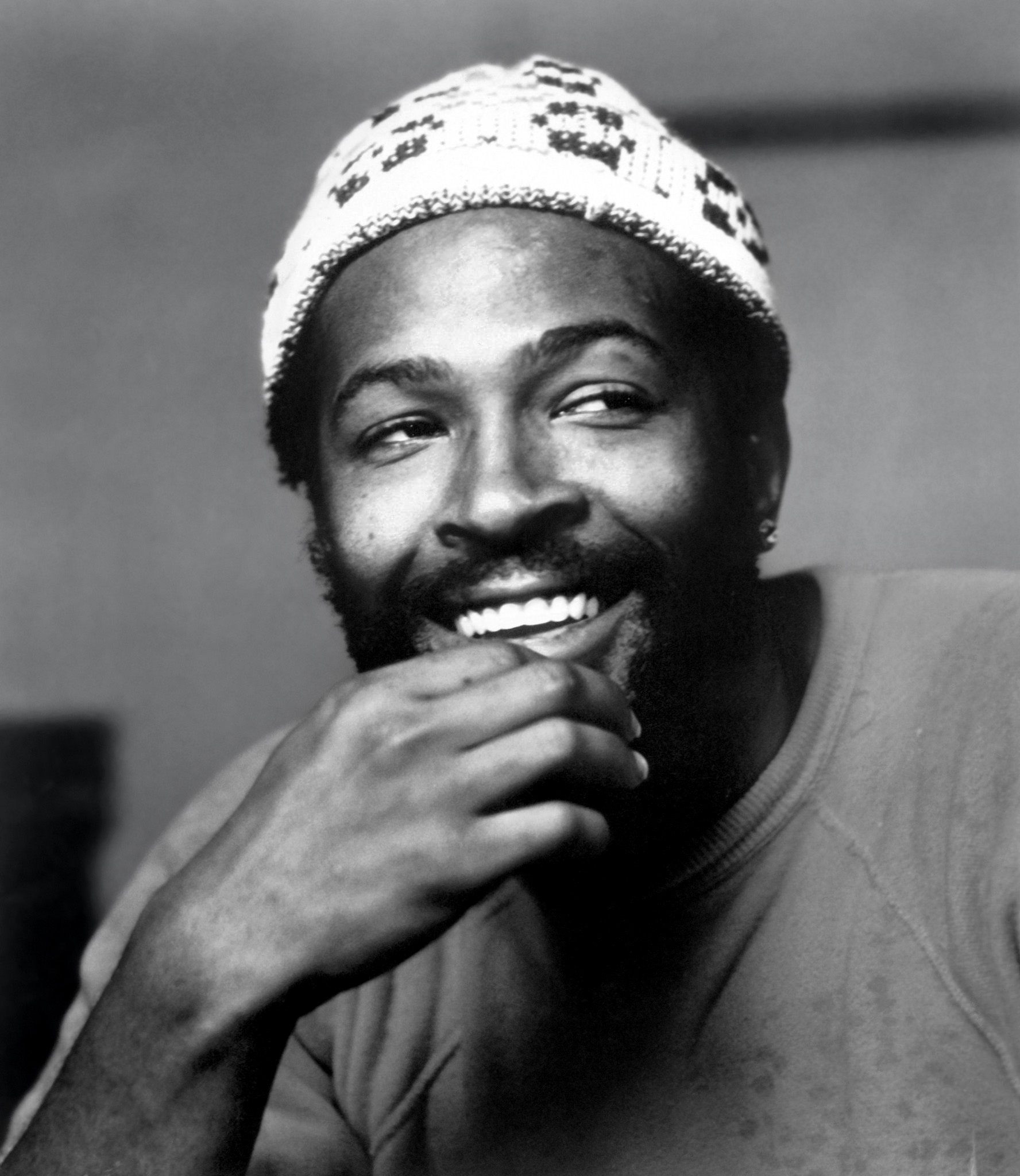

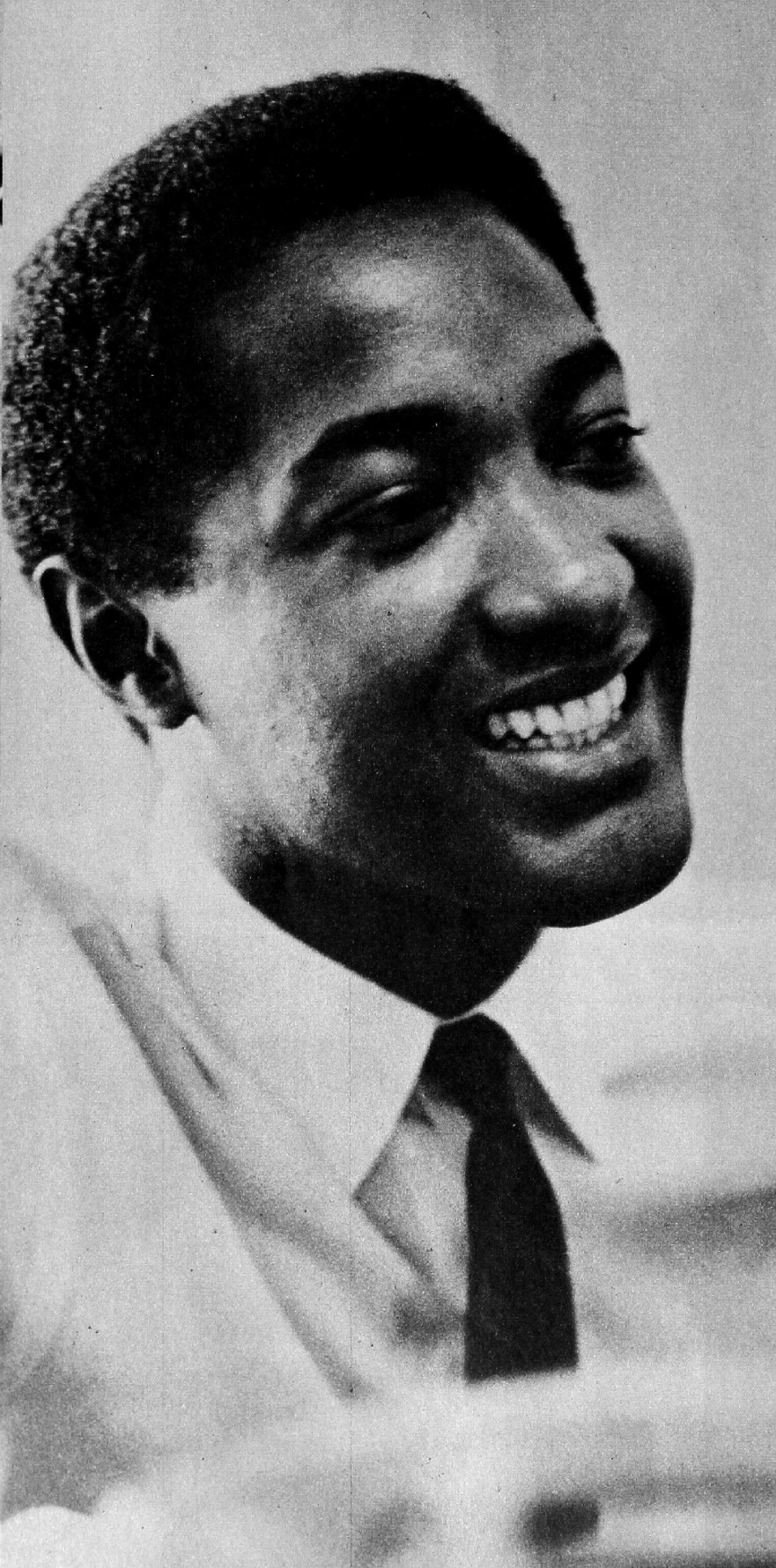
 photo: raph_ph · cc by 2.0 ↗
Stevie Wonder
sourcesEncyclopedia.com — Stevie Wonder biography (bio · The Vintage News — How Marvin Gaye Helped Launch Stevie Wonder's Career (Marvin Gaye influence, Steve McKeever quote) · SteveWonder.es — Ray Charles influence (Ray Charles influence, musical education) · Wikipedia — Tribute to Uncle Ray (Ray Charles influence, album background — lead only) · Shmoop — Stevie Wonder influences (Sam Cooke influence, corroborating note)
Motown signed him at ten, not as a singer but as a novelty: a blind boy from Saginaw who could already play piano, harmonica, and drums. Berry Gordy handed him to producer Clarence Paul with one instruction — "your job is to bring out his genius," Paul later told Rolling Stone — and at eleven, Wonder cut Tribute to Uncle Ray, a whole album of covers announcing his idol before he had written a song of his own. He grew up inside the label's assembly line, watching Marvin Gaye build What's Going On from the next room over. At twenty-one, backed by Gaye's example, Wonder tore up his contract and demanded full creative control; what followed — Music of My Mind through Songs in the Key of Life — remade what a pop record could hold, and handed the next generation its own blueprint for creative independence.
the sound in question
1972
SuperstitionStevie Wonder
walk the tributaries ↓
Marvin Gaye1970s · Soul / R&B
In 1971, Wonder haunted the studio next door while Marvin Gaye built What's Going On. "Marvin was his teacher," said Steve McKeever, a former Motown executive. "He was in the studio when Marvin was making that record ... he got that lesson right there at the foot of it." Two years later, using the creative control Gaye had modeled, Wonder won the fight that opened his own classic run. At Gaye's funeral in 1984, he named the debt outright: "Marvin was the person who encouraged me that the music I had within me, I must feel free to let come out."
listen: upstream & heresource: Grunge — How Marvin Gaye's Mentorship Gave Stevie Wonder the Springboard for His Career (Marvin Gaye influence, funeral quote) ↗
1971
What's Going OnMarvin Gaye
1973
Higher GroundStevie Wonder
listen forPlay What's Going On against Higher Ground and neither song resolves the way soul singles usually do — Gaye's strings hang in tension over a bassline that keeps circling instead of landing, and Wonder answers with a clavinet riff looping in a minor key under lyrics about karma catching up with you. Both are dance tracks that refuse to let the groove numb the message; that trick — urgency riding a beat instead of fighting it — is the lesson Gaye modeled first and Wonder made permanently his own.
Ray Charles1950s–60s · Soul / R&B / Gospel
Ray Charles was blind too, and Berry Gordy built an album on the resemblance: at eleven, Wonder cut Tribute to Uncle Ray, a full record of Charles covers, before he had released a song under his own name. Decades later, addressing Charles's legacy directly, Wonder still spoke like the kid who had chased that voice across a Detroit radio dial: "long before I knew we had so much in common, I knew him as a man and a voice that touched my heart," he said. "His voice made me feel like I wanted to love deeper, to care more and reach out and touch the world."
listen: upstream & heresource: EURweb — Stevie Wonder and Clint Eastwood Reflect on the Legacy of Ray Charles (Ray Charles influence, tribute quote) ↗
1956
Drown in My Own TearsRay Charles
1962
Drown in My Own TearsStevie Wonder
listen forSet Charles's original Drown in My Own Tears against Wonder's cover from Tribute to Uncle Ray and the debt is unmissable — eleven-year-old Wonder doesn't reinterpret the phrasing so much as inhabit it, bending the same words down into the same weary blues moan Charles built the arrangement around. It is the sound of a kid studying a master's voice like a script, note for note, before he had found his own.
Sam Cooke1960s · Soul / R&B / Gospel
Wonder has pointed to one specific memory of falling for a Sam Cooke record: "I remember hearing an album by Sam Cooke," he told the interview series Blank on Blank in 2005, before singing a line to test the words — "I think melodies are like, you know, angels from heaven expressing a place for the heart to follow." It is an odd way to describe a songwriting philosophy, but it names exactly what Cooke gave him: the idea that a melody could carry real spiritual weight without ever raising its voice, and that gospel phrasing could survive the move into pop without losing its gravity.
listen: upstream & heresource: Blank on Blank — Stevie Wonder on Keys of Life (Sam Cooke influence, 2005 interview) ↗
1964
A Change Is Gonna ComeSam Cooke
1976
If It's MagicStevie Wonder
listen forSet A Change Is Gonna Come next to If It's Magic and the kinship is in the restraint — Cooke's voice rides over strings that swell without ever crowding him, letting one held, unresolved note carry the whole ache of the lyric; Wonder does something close to identical over harp and electric piano, stretching the word "magic" until it sounds like a question rather than a promise. Neither song raises its volume to make its point.