walking upstream…
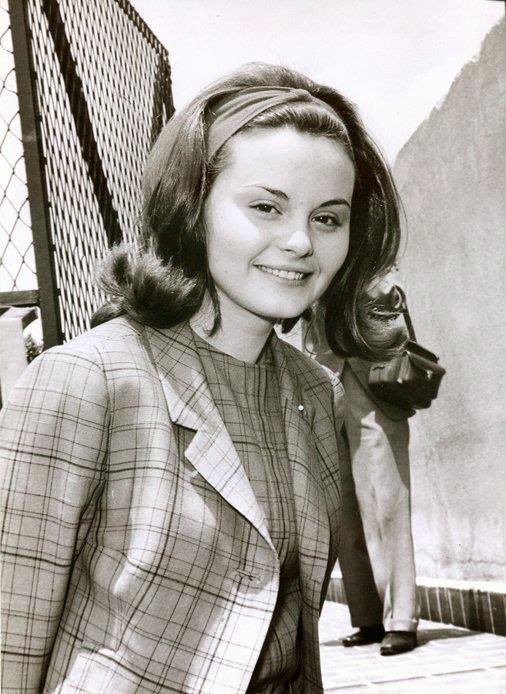
Rocío Dúrcal
sourcesDiez Minutos — Rocío Dúrcal, así fue la vida de la artista de alma española y corazón mexicano (biography, ranchera-resistance detail) · Telemadrid — Rocío Dúrcal, 'La reina de las rancheras' que conquistó México (her own quote on the ranchera turn) · Univision — La turbulenta relación de Juan Gabriel y Rocío Dúrcal (friendship account, 1977 meeting, decade of collaboration) · Valencia Plaza — Rocío Dúrcal · Revista Espejo — Lola Beltrán, reina inmortal de la canción ranchera ('Cucurrucucú Paloma' as her signature recording) · AllMusic — Rocío Dúrcal · Wikipedia — Rocío Dúrcal (biography grounding)
In 1977, at thirty-three, Rocío Dúrcal — born María de los Ángeles de las Heras Ortiz in Madrid, discovered at fifteen by the talent scout Luis Sanz — had run out of runway as a Spanish "niña prodigio" film star and needed a second act. She resisted the ranchera repertoire Mexico offered her, then relented: "el público ha reaccionado muy bonito conmigo," she said of what followed. Paired with the songwriter Juan Gabriel, she was crowned "la Reina de las Rancheras" without ever disguising her accent — "las rancheras las cantaba a lo madrileño, castizas cien por cien," the record producer Carlos López remembered. She died of cancer in 2006 at sixty-one; her ashes rest in both Madrid and Mexico City's Basilica of Guadalupe, claimed by two countries at once.
the sound in question
1984
CostumbresRocío Dúrcal
walk the tributaries ↓
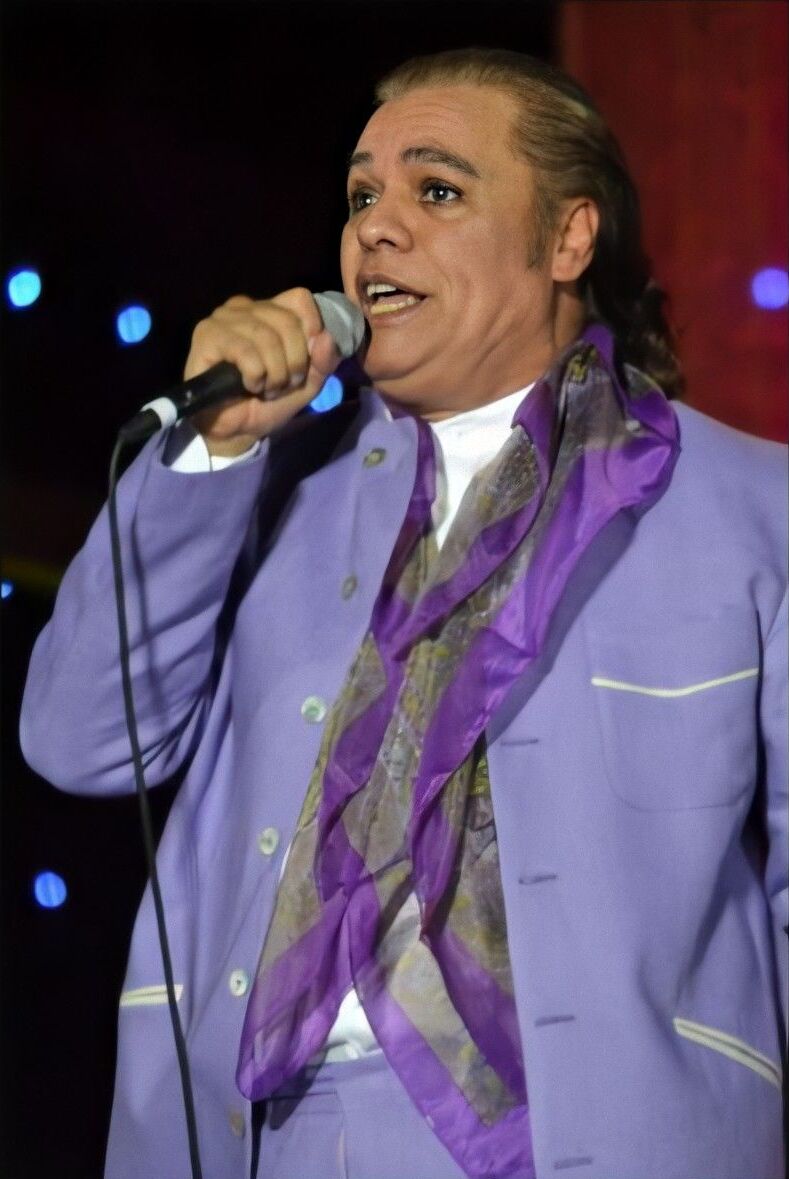
Juan Gabriel1980s · Ranchera / Latin pop / Bolero
They met in Mexico City in 1977, when Dúrcal — a fading Spanish teen-film star — gambled on a genre she'd resisted. Juan Gabriel built an entire album, "Rocío Dúrcal canta a Juan Gabriel," around her voice, then kept writing for her through 1986, ten records in all. The bond went past business: Univision later reported that on a 1990s appearance on the talk show Cristina, she described trading letters and secrets with him that went well beyond a professional relationship. He wrote "Amor Eterno" for his mother in 1974 but didn't sing it himself until 1990; by then Dúrcal's 1984 recording had already made it inescapable.
listen: upstream & heresource: El Nacional/EFE — 20 años sin Rocío Dúrcal (Carlos López industry testimony on her accent and Juan Gabriel partnership) ↗
1990
Amor EternoJuan Gabriel
1984
Amor EternoRocío Dúrcal
listen forOn Juan Gabriel's 1990 recording, cut live at the Palacio de Bellas Artes sixteen years after he wrote it, his voice pushes up against the strings until both nearly crack — the songwriter finally claiming his own eulogy. Dúrcal's 1984 version came first and stays disciplined where his later one turns ragged: the mariachi swells on cue, her belt holds its center even on the loudest line. The gap between the two recordings is the gap between a composer's private grief and the polished, big-room delivery he built specifically for her voice.
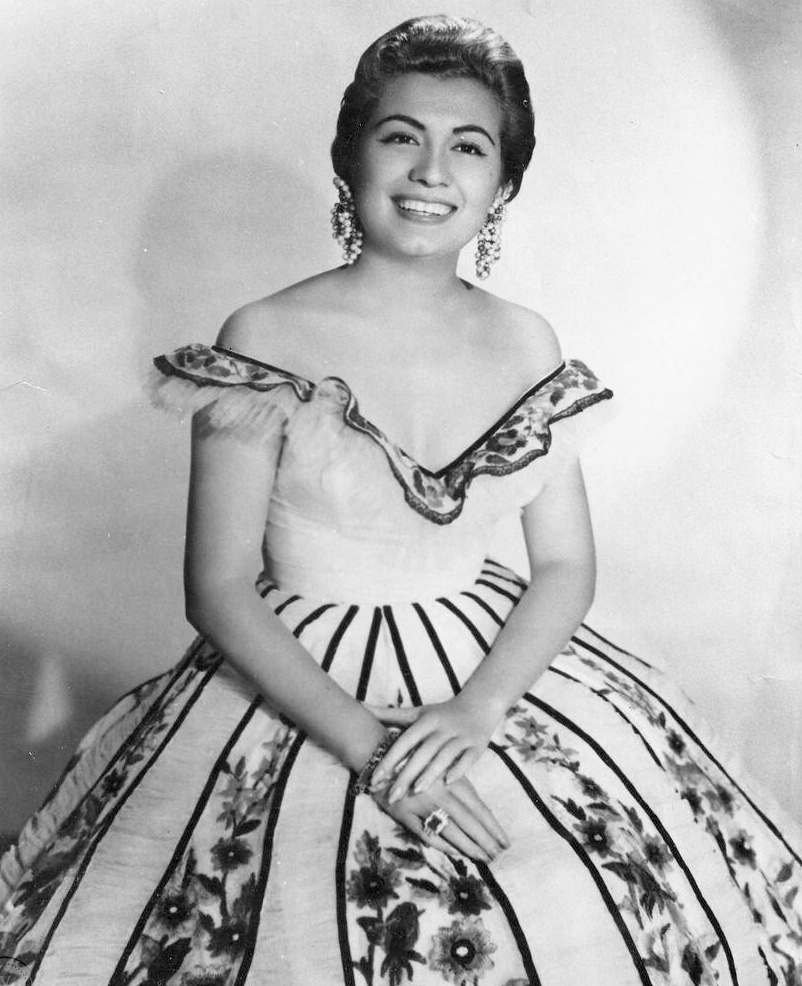
Lola Beltrán1950s-60s · Ranchera / Mariachi
Dúrcal landed in Mexico in 1977 to an industry that already had its queens: El País later noted she stepped into a ranchera pantheon topped by "Las Tres Señoras de la Canción" — Lola Beltrán, Amalia Mendoza, and Lucha Villa. No interview has Dúrcal naming Beltrán as a model; the debt shows in repertoire, not testimony. On her posthumous 2009 album "Duetos," Dúrcal recorded, with the singer Guadalupe Pineda, the Tomás Méndez standard most identified with Beltrán's own voice: "Cucurrucucú Paloma."
listen: upstream & heresource: El País — Rocío Dúrcal, la española más mexicana (framing her arrival within the Lola Beltrán-led ranchera pantheon) ↗
1958
Cucurrucucú PalomaLola Beltrán
2009
Cucurrucucú PalomaRocío Dúrcal
listen forBeltrán's 1958 recording rides the huapango's rolling triplets with a big, open-throated cry on the song's repeated title line — the delivery that made "Cucurrucucú Paloma" hers before anyone else's. Dúrcal's 2009 version, cut decades later with the singer Guadalupe Pineda, keeps that same triplet lilt but splits the melody between two voices trading phrases instead of one carrying the whole lament — a duet arrangement Beltrán, always a solo interpreter of the song, never recorded herself.