walking upstream…
Sade



sourcesMelan Magazine — Because of Them We Can · Classic Pop Magazine — Making Sade · DJ Mag — How Sade's Diamond Life Soothed a Restless Generation (critical reading of "Smooth Operator") · Red Bull Music Academy Daily — Sade interview (Sade's own account of discovering Holiday, Gaye, Hathaway) · Rolling Stone — Sade · BBC Music — Review of Sade, Diamond Life, by Paul Lester, 2010 (the Holiday vocal comparison)
In Nigeria in 1959, Helen Folasade Adu was born to an English nurse and a Yoruba economics lecturer; by four she was in England, and by her teens she was a North London kid with a fashion-school scholarship and no plan to sing for a living. She modeled, studied at Saint Martin's, and sang harmony for a Latin funk outfit almost as an afterthought before the eight-piece funk band Pride pulled her to the front. What she brought to that stage was already formed at home — Sunday mornings soaked in Nina Simone and Aretha Franklin, teenage nights discovering Billie Holiday on the radio. When she finally cut her own record in 1984, the instinct she'd absorbed from all of it came out as its opposite of showmanship: a voice that never had to raise itself to be believed.
the sound in question
1992
No Ordinary LoveSade
walk the tributaries ↓
Marvin Gaye1970s · Soul / R&B
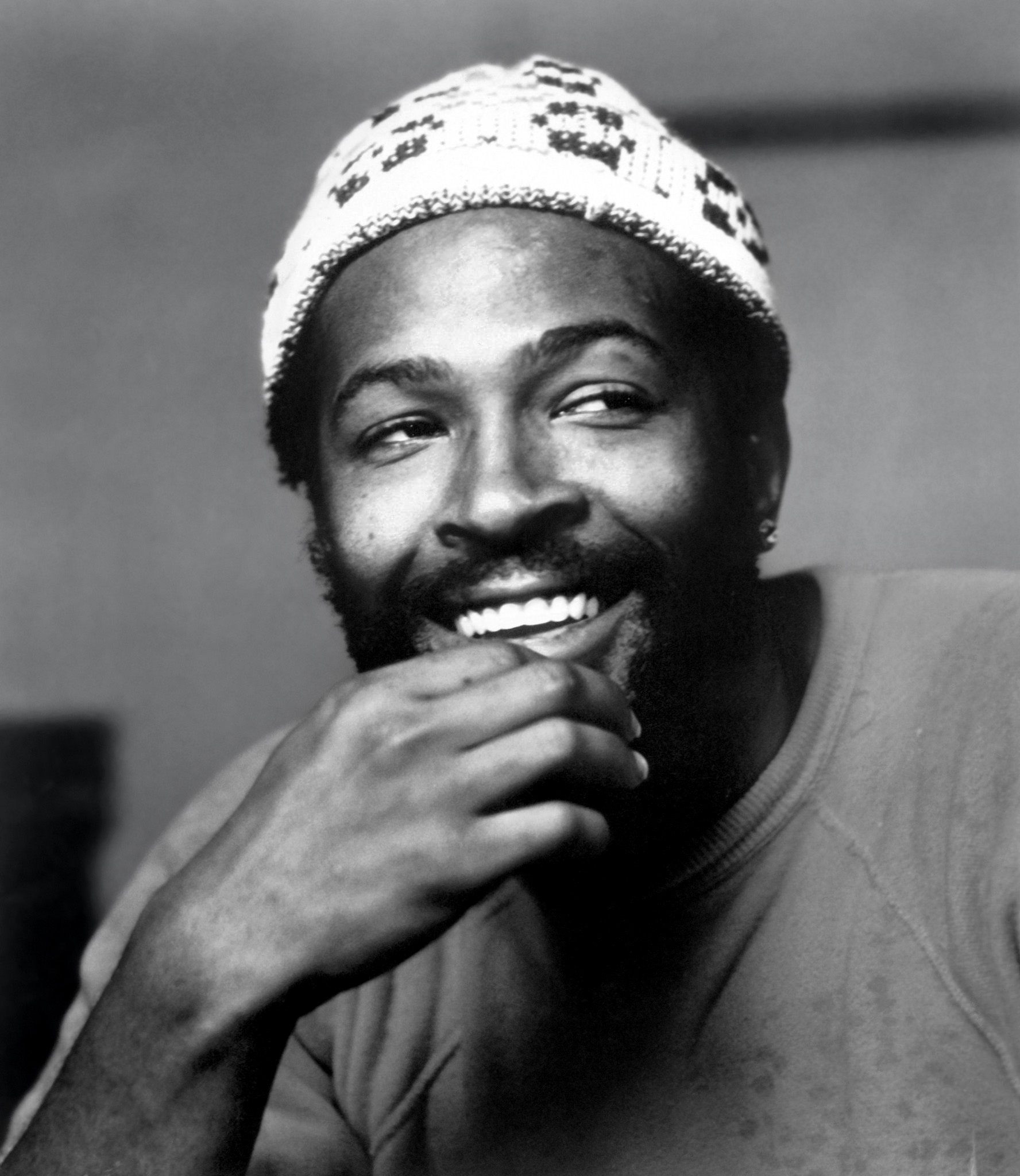
Ask Sade what soul she actually likes and Marvin Gaye's name comes fast: "the greats – Donny Hathaway, Marvin Gaye and Sly Stone," she told Red Bull Music Academy, admiring above all his gift for plain, unpretentious storytelling. Gaye's records were literally in the room while Diamond Life took shape; the band played his music alongside Nina Simone's and Aretha Franklin's while writing "Sally." DJ Mag later put a name to what that session left behind, hearing in "Smooth Operator" nods to African American soul "akin to Marvin Gaye's 'What's Going On?'"
listen: upstream & here
1971
What's Going OnMarvin Gaye
1984
Smooth OperatorSade
listen forGaye opens "What's Going On" on a loose, conversational saxophone before he's said a word, letting the instrument set the emotional register the vocal will confirm. "Smooth Operator" runs the identical move — a sax line easing the listener into the song's world before Sade's voice enters to narrate rather than declare. Both tracks tell a story in character, through atmosphere, never through a shouted hook.
Nina Simone1960s · Jazz / Soul / Blues
Before Sade Adu could sing along, Nina Simone was already Sunday furniture in her mother's house — one of the artists a 2018 profile lists among the foundational listens of her childhood, alongside Aretha Franklin and Ray Charles. That schooling followed her into the studio: writing the bluesy "Sally" for Diamond Life, the band and producer Robin Millar sat together playing records that moved them, and, as Classic Pop reports it, "the playlist continued with Aretha Franklin, Nina Simone and Marvin Gaye." A record played to set a mood, not to be copied bar for bar — but the mood stuck.
listen: upstream & here
1967
I Wish I Knew How It Would Feel to Be FreeNina Simone
2000
By Your SideSade
listen forSimone's 1967 recording strips everything but voice and piano down to their nerve endings, each phrase held a beat past comfortable before she lets it go. Sade's "By Your Side" works the same trick in miniature: a hushed, unhurried vocal sitting almost alone over a bare arrangement, daring the song to build past a murmur and refusing to. Neither singer ever raises her voice to prove she means it.
Billie Holiday1930s–40s · Jazz / Vocal jazz
Sade found Billie Holiday at fourteen or fifteen, the same stretch of adolescence when she also discovered Miles Davis. "I got into that later," she said of the deeper jazz catalog, "or, slightly later, when I was 14 or 15 I started listening to Billie Holiday and Miles Davis." The comparison never left critics once Diamond Life arrived: a 2010 BBC Music review described Sade's voice as "husky and restrained, oozing class and suggestive of hard-won experience, making her sound like a Wardour Street Billie Holiday" — London slang for the city's own jazz-club backstreet, dressed up as a compliment.
listen: upstream & here
1939
Strange FruitBillie Holiday
1984
Your Love Is KingSade
listen forHoliday sings devastating material — a song about lynching — without a single raised note, letting the horror sit in restraint rather than volume. "Your Love Is King," the opening track Sade chose for her own debut, does the same math in a love song: no vibrato, no flourish, syllables placed like they cost something. Listen for the space between the words on both records — neither singer fills a silence she doesn't need to.