walking upstream…
Jhené Aiko

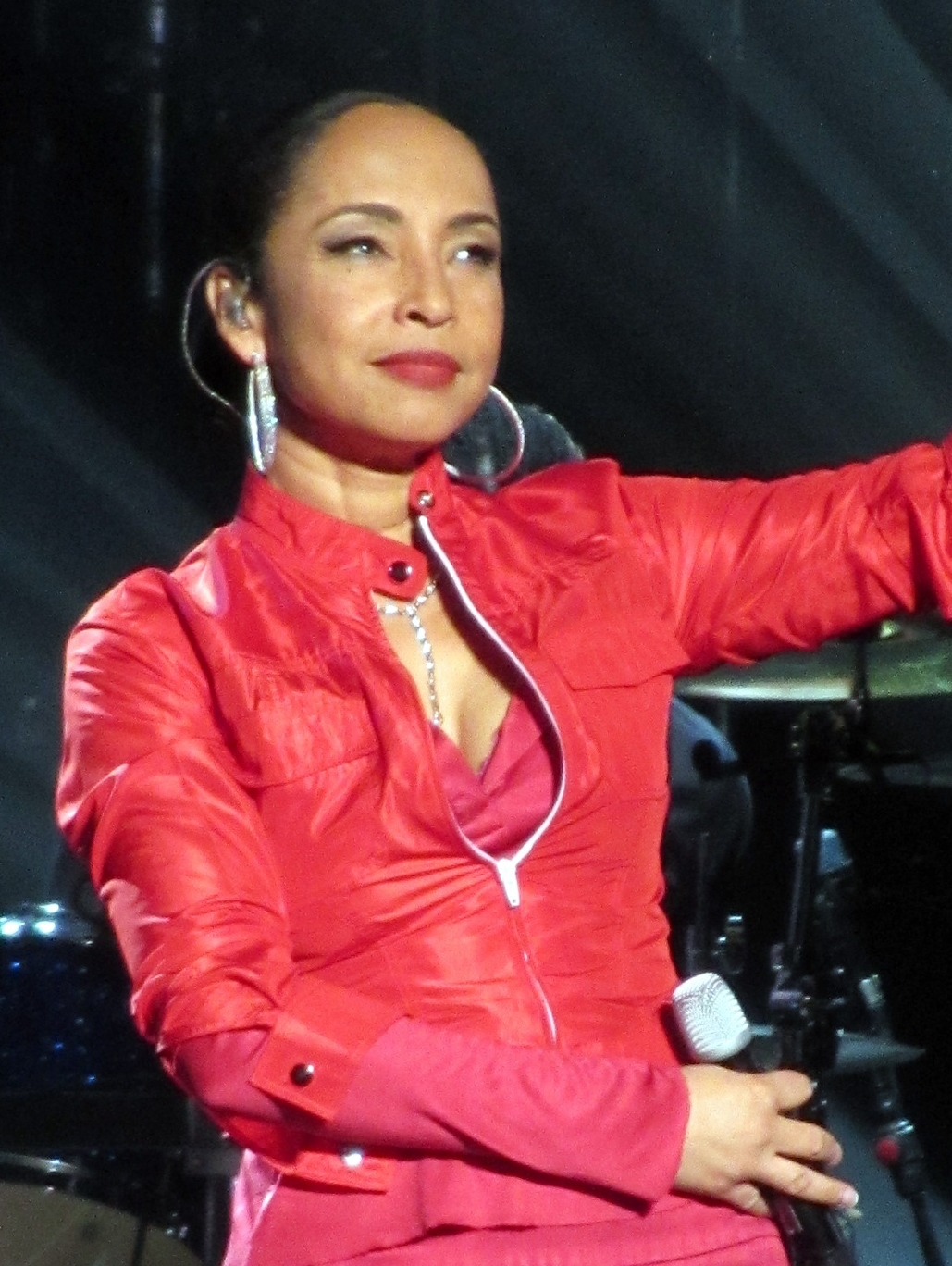


sourcesWikipedia
Jhené Aiko Efuru Chilombo grew up in Los Angeles and spent her teens as a background singer and video presence for B2K, shelving a planned 2003 debut to finish school instead. She resurfaced on her own terms with the 2011 mixtape 'Sailing Soul(s),' then broke through with 2013's 'Sail Out' EP and its hit 'The Worst,' establishing a whispery, feathered soprano and a hazy, spacious production style that helped define alternative R&B's early-2010s turn away from big vocal runs toward mood and atmosphere. 'Souled Out' (2014) and 'Trip' (2017) deepened that intimate, diaristic songwriting, and 2020's 'Chilombo' earned three Grammy nominations, including Album of the Year, cementing her as one of the genre's most influential quiet voices.
the sound in question
2013
The WorstJhené Aiko
walk the tributaries ↓
Brandy1990s · Contemporary R&B / Pop / Soul
Aiko has said Brandy is 'the person who taught me how to sing indirectly because I listened to her all the time,' tracing that back to falling in love with her voice at age six and naming 'Never Say Never' a favorite record of that era. Brandy's trademark isn't belting — it's stacking her own voice into dense, whispery harmony clouds that do the emotional work a single big note would elsewhere. Aiko's own hushed, layered vocal blend, favoring texture over power, reads as a direct descendant of that approach.
listen: upstream & heresource: Billboard ↗
1998
Have You Ever?Brandy
2013
Comfort Inn Ending (Freestyle)Jhené Aiko
listen forCompare 'Have You Ever?' with 'The Worst' — both keep the lead vocal soft and close-mic'd, low in the mix, surrounded by thickly stacked backing harmonies that do more emotional heavy lifting than the melody itself.
Sade1980s · Smooth jazz / Soul / Sophisti-pop
Discussing her 'Souled Out' era, Aiko described fans comparing her to 'a younger Sade' and placed her own sound as sitting somewhere between Sade's 'soothing' cool and the emerging 'future R&B' scene, after discovering Sade's records amid a 1990s household soundtrack of TLC, Mariah Carey, and Whitney Houston. What carries over is restraint: a hushed, unhurried vocal delivered just above a murmur, floating over sparse, atmospheric productions that leave room to breathe rather than filling every bar.
listen: upstream & heresource: The FADER ↗
1984
Smooth OperatorSade
2012
3:16AMJhené Aiko
listen forPlay 'Smooth Operator' next to '3:16AM' — both keep the vocal cool and understated against a spacious, slow-moving arrangement, letting negative space and mood carry the song instead of a big chorus.
Tupac Shakur1990s · West Coast hip-hop / Conscious hip-hop
Growing up on West Coast rap in an LA household, Aiko has called Tupac 'a big inspiration for me just to stick to who I am and to actually stand for something through music,' and has spoken about digging into his poetry and interviews as she got older, drawn to how openly he talked about pain and contradiction without smoothing it over. That unfiltered, diaristic honesty — naming grief and doubt plainly rather than dressing it up — runs through Aiko's most autobiographical writing.
listen: upstream & heresource: HipHopDX ↗
1995
Dear MamaTupac Shakur
2014
The PressureJhené Aiko
listen forSet 'Dear Mama' beside 'The Pressure' — both abandon metaphor for plain-spoken address, working through grief and self-doubt in real time rather than resolving it into a tidy hook.