walking upstream…
Maxwell


Maxwell (born Gerald Maxwell Rivera, 1973, Brooklyn) helped ignite the neo-soul movement of the mid-1990s with a whispery falsetto and live-band arrangements built around Rhodes piano, wah-wah guitar, and unhurried grooves. His debut, Maxwell's Urban Hang Suite (1996), reimagined 1970s and '80s soul balladry for a modern audience without leaning on the programmed hip-hop-R&B sound then dominating the airwaves. He has since alternated long silences with acclaimed comeback records, including the BLACKsummers'night trilogy, while remaining a standard-bearer for sensual, musicianship-driven R&B.
the sound in question
1996
Ascension (Don't Ever Wonder)Maxwell
walk the tributaries ↓
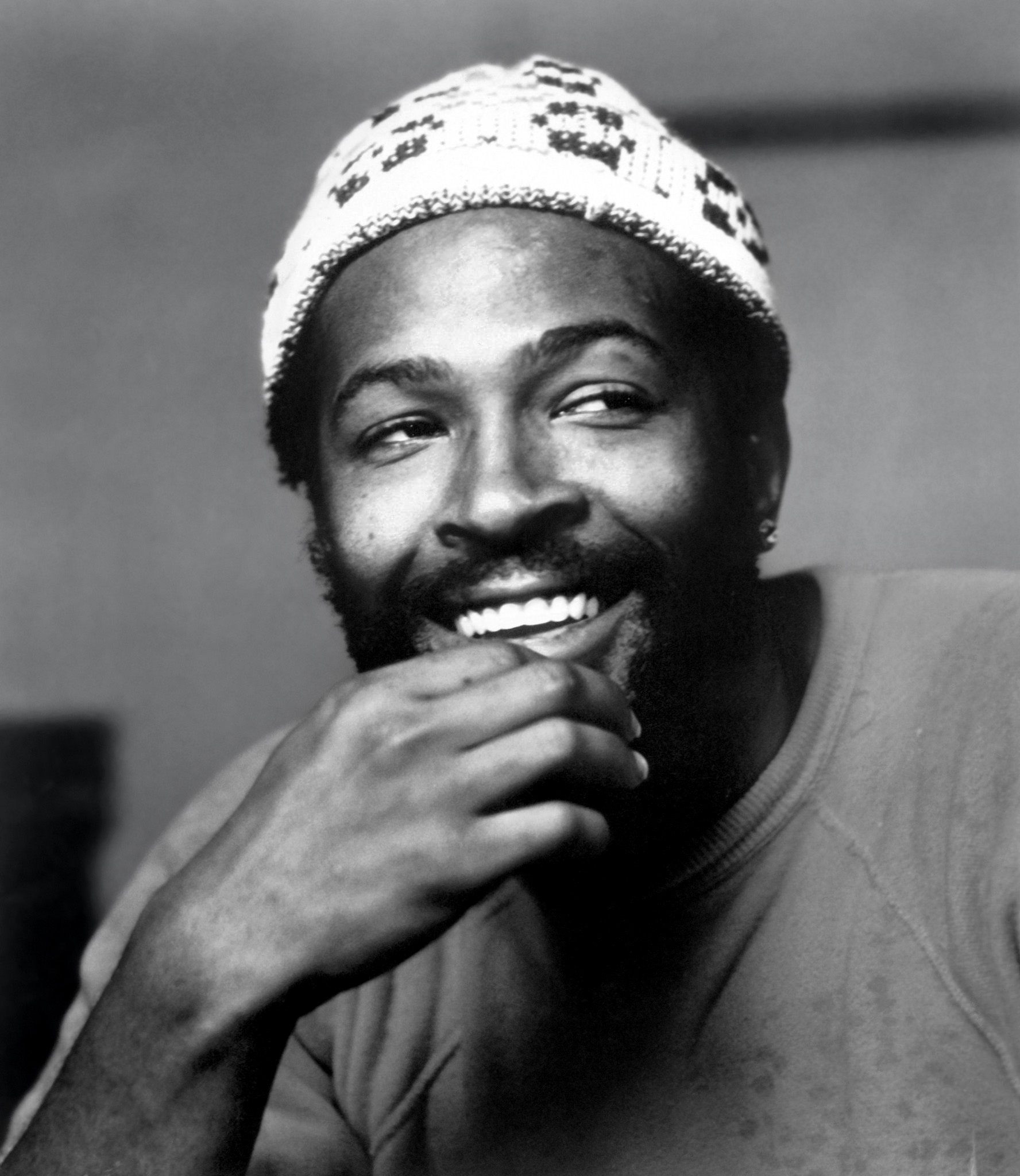
Marvin Gaye1970s · Soul / R&B
Maxwell has said he was, and remains, "very obsessed with Marvin Gaye's approach to records," and Urban Hang Suite was built as a concept album of seduction squarely in the vein of Gaye's I Want You era — he even brought in Leon Ware, the songwriter-producer behind that Gaye album, to co-write material for it.
listen: upstream & heresource: Rated R&B — Maxwell on obsession with Marvin Gaye's records; Stuart Matthewman on Sade's Love Deluxe and Leon Ware's role on Urban Hang Suite ↗
1976
I Want YouMarvin Gaye
1996
Sumthin' Sumthin'Maxwell
listen forListen for the loose, conversational falsetto floating over a slow-burning groove rather than belting a hook — the vocal is another texture in the arrangement, the same trick Gaye used on 'I Want You,' letting the song simmer instead of building to a chorus.
Prince1980s · Funk / Pop / R&B / Rock
Maxwell recalls being "enraptured" by Prince while building his debut, and critics have long placed him inside Prince's ballad lineage — the same line that runs from 'Do Me, Baby' through 'Adore.' Maxwell's own 'Fortunate' was singled out for its "wordless falsetto run that arcs upward," a direct nod to Prince's vocal playbook.
listen: upstream & heresource: Rolling Stone — Maxwell interview, Urban Hang Suite 25th anniversary, on being "enraptured by Marvin Gaye, Prince, Graham Central Station" ↗
1987
AdorePrince
1999
FortunateMaxwell
listen forListen for the extended, wordless falsetto runs used as pure feeling rather than lyric — Prince rides that technique through the outro of 'Adore,' and Maxwell answers it almost note-for-note in the climbing ad-libs that close 'Fortunate.'
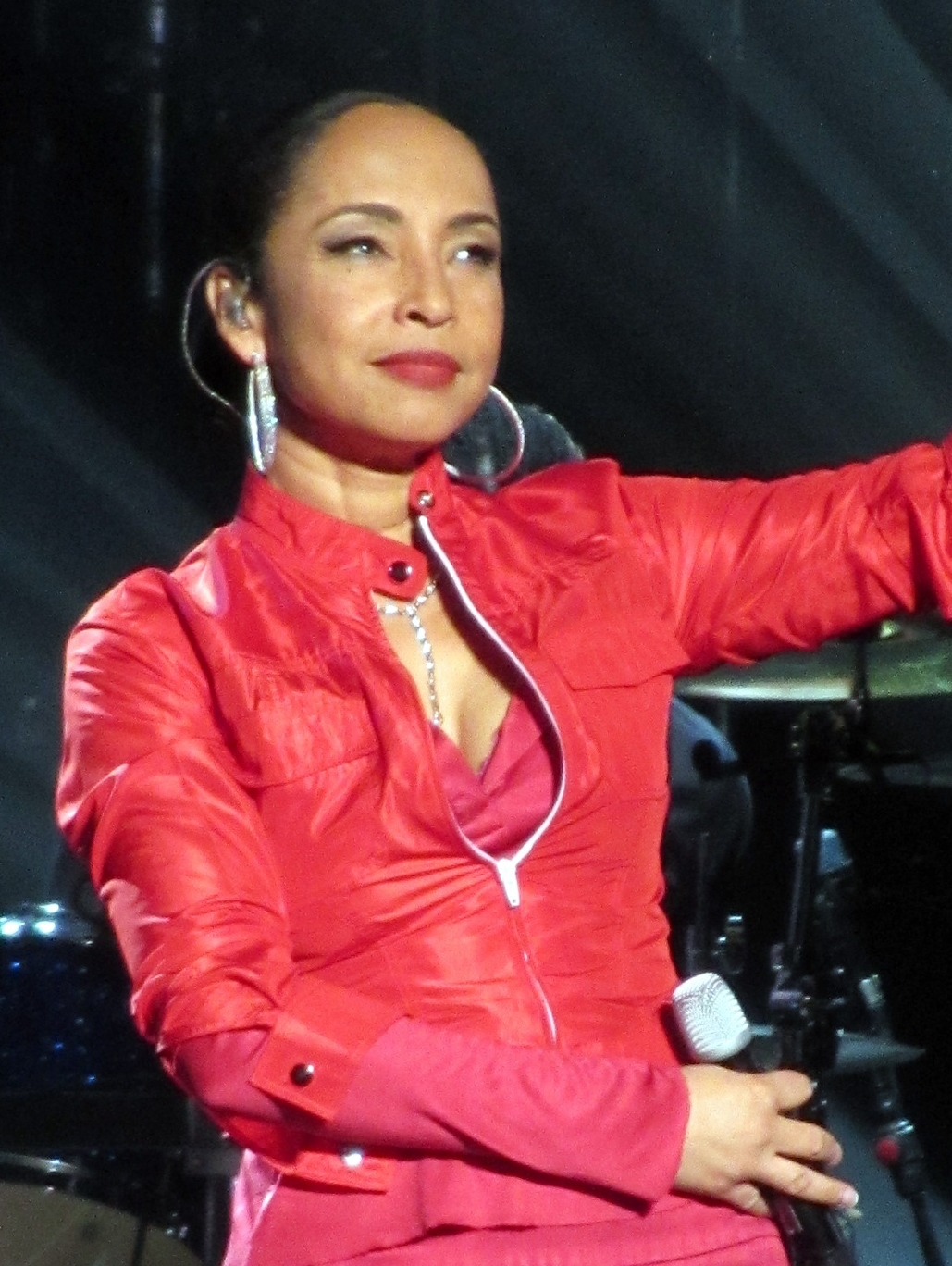
Sade1980s · Smooth jazz / Soul / Sophisti-pop
Sade's guitarist and co-writer Stuart Matthewman — who played on Urban Hang Suite — recalled that Maxwell "was very enamored with the Sade album Love Deluxe" while making his debut, and critics have described Maxwell's own sound as melding soft-spoken vocals with Sade's fluid, spacious 'cocktail funk' grooves.
listen: upstream & heresource: Rated R&B — Maxwell on obsession with Marvin Gaye's records; Stuart Matthewman on Sade's Love Deluxe and Leon Ware's role on Urban Hang Suite ↗
1992
No Ordinary LoveSade
1996
Whenever Wherever WhateverMaxwell
listen forListen for the unhurried, minor-key atmosphere — hushed vocal sitting low in the mix, sparse bass, room left around every instrument — the same spacious quiet-storm feel Sade set on 'No Ordinary Love,' echoed in the patient build of Maxwell's 'Whenever Wherever Whatever.'