walking upstream…
Randy Travis

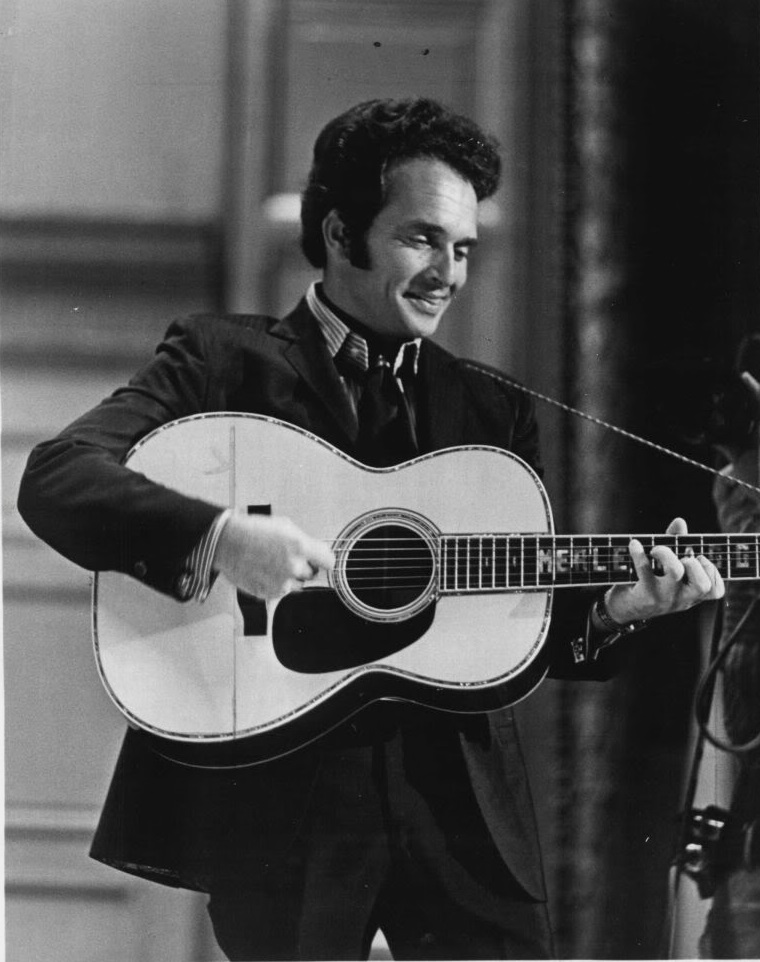
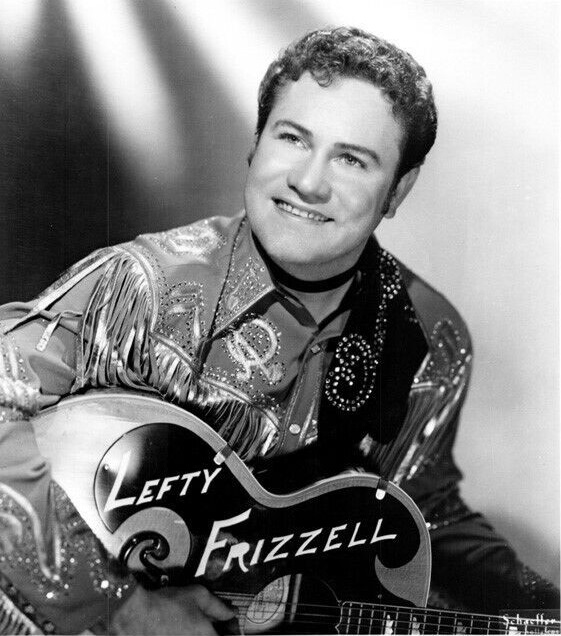
 photo: - emr - (flickr) · cc by 2.0 ↗
Randy Travis
Randy Bruce Traywick grew up in Marshville, North Carolina, on his father's records of Hank Williams, Lefty Frizzell, and George Jones, singing in clubs from his early teens. Nightclub owner Lib Hatcher discovered him at a Charlotte talent contest in 1977 and became his manager, then his tireless advocate through years of dead-end Nashville auditions before Warner Bros. finally signed him in 1985. His plainspoken baritone and unfussy, steel-and-fiddle arrangements landed like a rebuke to the synth-pop 'urban cowboy' sound then dominating country radio, and 1986's 'Storms of Life' went triple platinum almost overnight. 'On the Other Hand' and 'Forever and Ever, Amen' became genre-defining hits, installing Travis as the figurehead of neotraditional country's return to first principles: no gloss, just a voice that sounds like it means every word.
the sound in question
1987
Forever and Ever, AmenRandy Travis
walk the tributaries ↓
George Jones1950s–80s · Country / Honky-tonk
Travis has named George Jones and Merle Haggard as his two favorite singers, and in 2013 he made the debt literal, opening his all-covers album 'Influence Vol. 1: The Man I Am' with a version of Jones's breakthrough single 'Why Baby Why.' What he took from Jones wasn't ornamentation but restraint: a baritone that under-sings a lyric rather than oversells it, trusting a plain, unhurried delivery to carry the ache.
listen: upstream & here
1955
Why Baby WhyGeorge Jones
1986
Diggin' Up BonesRandy Travis
listen forCompare Jones's clipped, no-vibrato delivery on 'Why Baby Why' with Travis's own honky-tonk shuffle 'Diggin' Up Bones' — both let the band's traditional twang do the emotional work while the vocal stays level and conversational, never straining for a big note.
Merle Haggard1960s–70s · Country / Bakersfield sound / Outlaw country
Merle Haggard was, by Travis's own account, one of the two singers he loved most growing up, and the connection runs from imitation to tribute: Travis covered Haggard's 1971 single 'Someday We'll Look Back' on 'Influence Vol. 1,' and later recorded 'All Night Long' as a duet with Haggard himself. The inheritance shows up as plainspoken, first-person storytelling — a Bakersfield-honed refusal to dress up hardship in metaphor.
listen: upstream & here
1971
Someday We'll Look BackMerle Haggard
2013
Someday We'll Look BackRandy Travis
listen forSet Haggard's original 'Someday We'll Look Back' next to Travis's own cover of it — both trust a steady mid-tempo groove and an unadorned verse-chorus structure to let a simple, hard-won piece of consolation land without any vocal pyrotechnics.
Lefty Frizzell1950s · Honky-tonk / Country
Travis's father raised him on Lefty Frizzell's records, and that early exposure runs deep enough that Travis closed his 2013 covers album with Frizzell's signature story-song 'Saginaw, Michigan.' Frizzell's legacy in country singing is largely about phrasing — bending and stretching syllables loosely behind the beat — and while Travis's own delivery is steadier than Frizzell's elastic drawl, he inherited the same instinct for a plain, narrative vocal that never rushes a line.
listen: upstream & here
1964
Saginaw, MichiganLefty Frizzell
2013
Saginaw, MichiganRandy Travis
listen forListen to how Frizzell lets his vowels slide and linger across the beat on 'Saginaw, Michigan,' then hear Travis's own more measured, unhurried version of the same song — the tempo and restraint carry Frizzell's storytelling tradition even where the vocal grain differs.