walking upstream…
R.L. Burnside
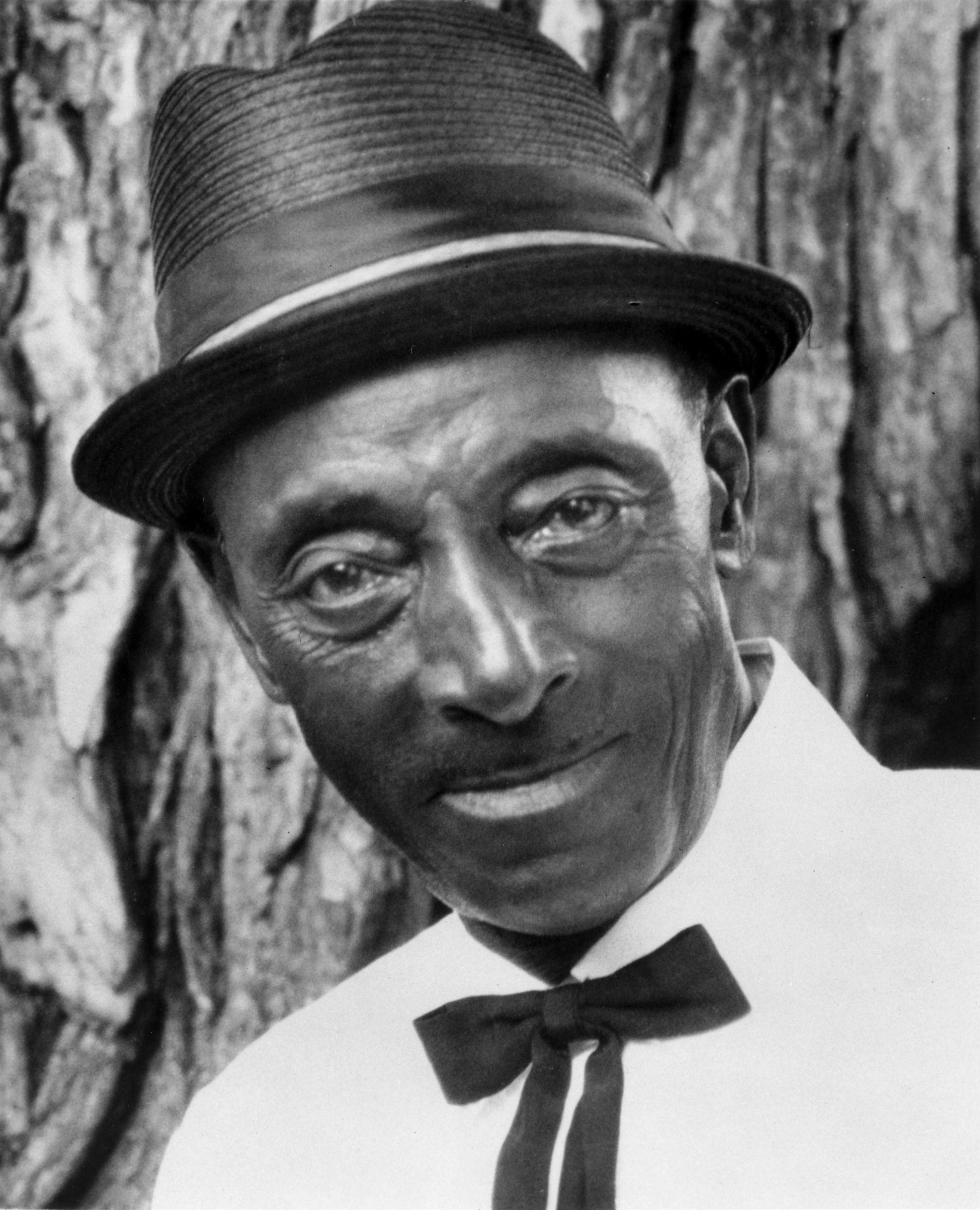
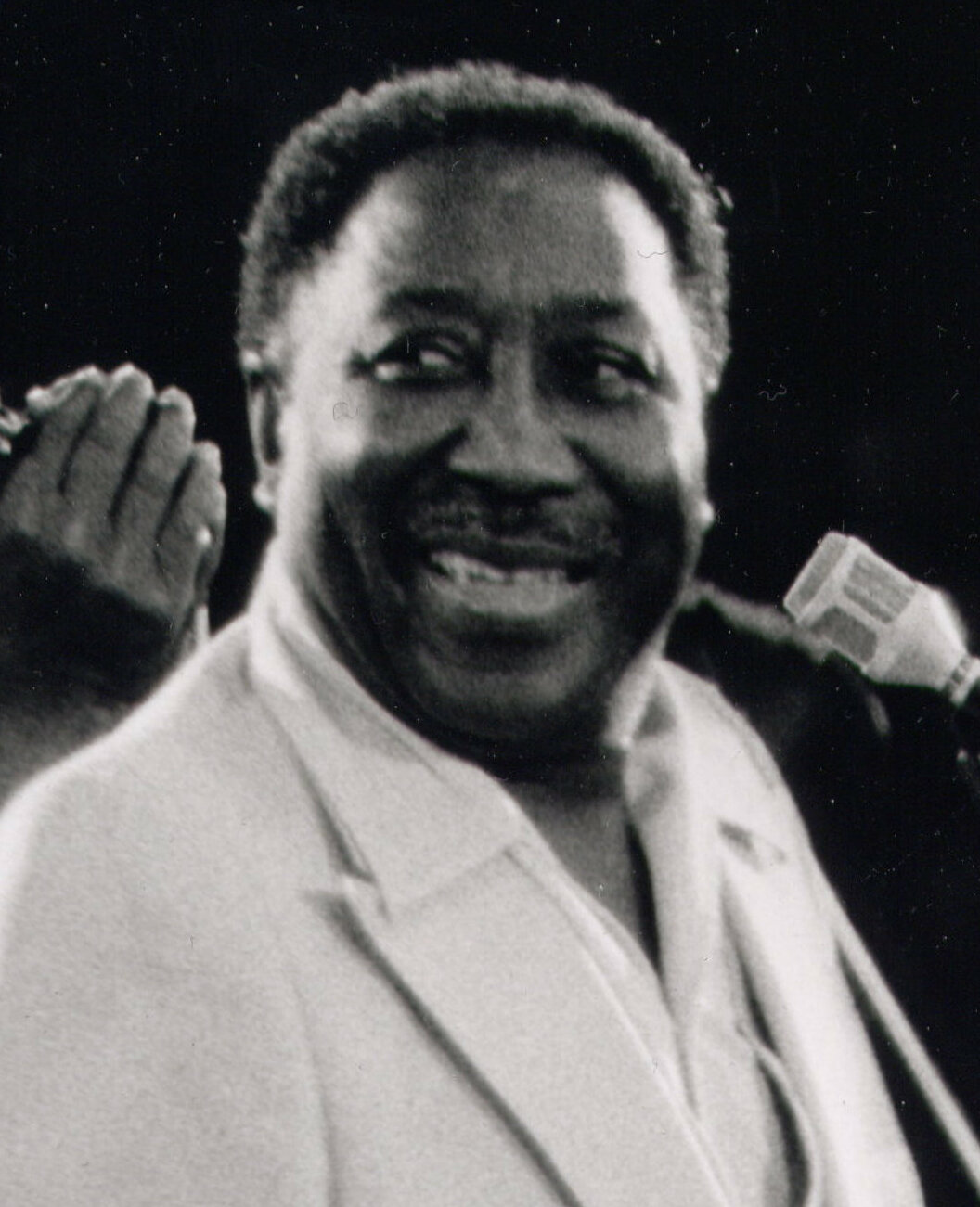

 photo: zzazazz (ed) · cc by 2.0 ↗
R.L. Burnside
R.L. Burnside learned guitar the old way, watching his Holly Springs neighbor Mississippi Fred McDowell play at country dances from the time he was a small boy, then absorbing the electric drive of Muddy Waters and John Lee Hooker during stretches spent up in Chicago. Back home in the Mississippi hill country he built a raw, single-chord style around droning slide guitar and a heavy backbeat, recording sporadically for decades before Fat Possum Records paired his ancient sound with punk-rock attitude in the 1990s, most famously on 'A Ass Pocket of Whiskey' with Jon Spencer. The Black Keys, labelmates and open admirers, worked his 'Skinny Woman' into their own 'Busted' and later covered him properly on 'Delta Kream.' He died in 2005 at 78.
the sound in question
1998
It's Bad You KnowR.L. Burnside
walk the tributaries ↓
Mississippi Fred McDowell1960s · Hill country blues / Delta blues
Burnside's own account of his musical education names McDowell as his direct mentor and neighbor: he first heard McDowell play at seven or eight years old and eventually sat in on his gigs, absorbing the older man's droning, rhythm-first approach to the guitar before developing his own harder-edged variation on it.
listen: upstream & here
1965
You Gotta MoveMississippi Fred McDowell
Jumper on the LineR.L. Burnside
listen forPlay McDowell's 'You Gotta Move' beside Burnside's 'Jumper on the Line' — both lock into a rolling, unhurried slide-guitar groove built for dancing rather than listening closely, the vocal riding on top almost as an afterthought.
Muddy Waters1950s · Chicago blues / Electric blues / Delta blues
Burnside spent time in Chicago as a young man and cited Muddy Waters as an influence from that period, particularly Waters' electric slide technique, which Burnside adopted and roughened into his own style. Burnside's most famous song, 'It's Bad You Know,' is itself built from a riff he reworked out of Waters' 'Rollin' and Tumblin'.'
listen: upstream & here
1950
Rollin' StoneMuddy Waters
1968
Poor Black MattieR.L. Burnside
listen forSet Waters' 'Rollin' Stone' against Burnside's 'Poor Black Mattie' — both ride a single droning chord under a bottleneck slide, the guitar buzzing and sustaining rather than resolving into a clean lick.
John Lee Hooker1950s · Delta blues / Electric blues / Boogie
Burnside named John Lee Hooker among the influences he picked up in adulthood, and Hooker's foot-stomping, one-chord boogie — repetition as the whole point rather than a means to a chorus — maps directly onto Burnside's own droning, percussive attack, right down to the way both men let a vocal phrase trail off mid-line.
listen: upstream & here
1948
Boogie ChillunJohn Lee Hooker
Skinny WomanR.L. Burnside
listen forHear Hooker's 'Boogie Chillun' next to Burnside's 'Skinny Woman' — both are built on a stomping foot, a single chord, and a talking-blues vocal that treats the guitar riff as a hypnotic floor rather than a backdrop to a melody.