walking upstream…
Phil Spector

sourcesWikipedia — Phil Spector (biographical framing, apprenticeship, discography) · Wikipedia — Wall of Sound (Wagner/MacLeod framing, Leiber & Stoller technique transfer) · Rolling Stone — The Rolling Stone Interview, Jann S. Wenner, 1969 (Spector's own words on "style") · Popdose — Soul Serenade · Songfacts — Be My Baby (production detail
Phil Spector's father died by suicide in 1949; the epitaph on his tombstone, "To Know Him Was To Love Him," became — slightly altered — the title of the song that gave Spector his first #1 hit at nineteen. By 1961 he had co-founded Philles Records and, working with arranger Jack Nitzsche, engineer Larry Levine, and the Wrecking Crew session players, was stacking guitars, pianos, strings, and horns into a dense, reverb-soaked mono mix he called his "style," not a fixed "sound." "It's simple and clear, and it's easy for me to make hits," he told Rolling Stone in 1969. The hits — the Crystals, the Ronettes, the Righteous Brothers — made him pop's first producer-auteur; a 2009 murder conviction ended the story his records had already made monumental.
the sound in question
1963
Be My BabyPhil Spector
walk the tributaries ↓
Jerry Leiber and Mike Stoller1950s-60s · Rhythm and blues / Rock and roll / Songwriting/production
In 1960, Spector's early patron Lester Sill sent him to New York to apprentice under Leiber and Stoller, the production team remaking R&B at the Brill Building. "While in New York, they mentored a young producer by the name of Phil Spector," reads one obituary of Leiber, and the apprenticeship was hands-on: Spector co-wrote "Spanish Harlem" with Leiber and played the session guitar solo on the Drifters' "On Broadway." Leiber and Stoller later distanced themselves from Spector's mature style, calling his layered mix a "mush" distinct from their own cleaner productions — real tension between teaching him the tools and disowning what he built with them.
listen: upstream & here
1959
There Goes My BabyJerry Leiber and Mike Stoller
1963
Be My BabyPhil Spector
listen forOn "There Goes My Baby," Leiber and Stoller did something unheard of in 1959: they dropped a string section, timpani, and a Latin baion rhythm onto a Drifters record, all under one plainspoken lead vocal. Cue up "Be My Baby" after it and listen for the same architecture — strings and a walking, insistent rhythm bed under a single voice — except Spector pushes the strings, the echo, and the backing vocals until they nearly swallow the lead instead of framing it.
Richard Wagner1850s–70s · Opera / Romantic
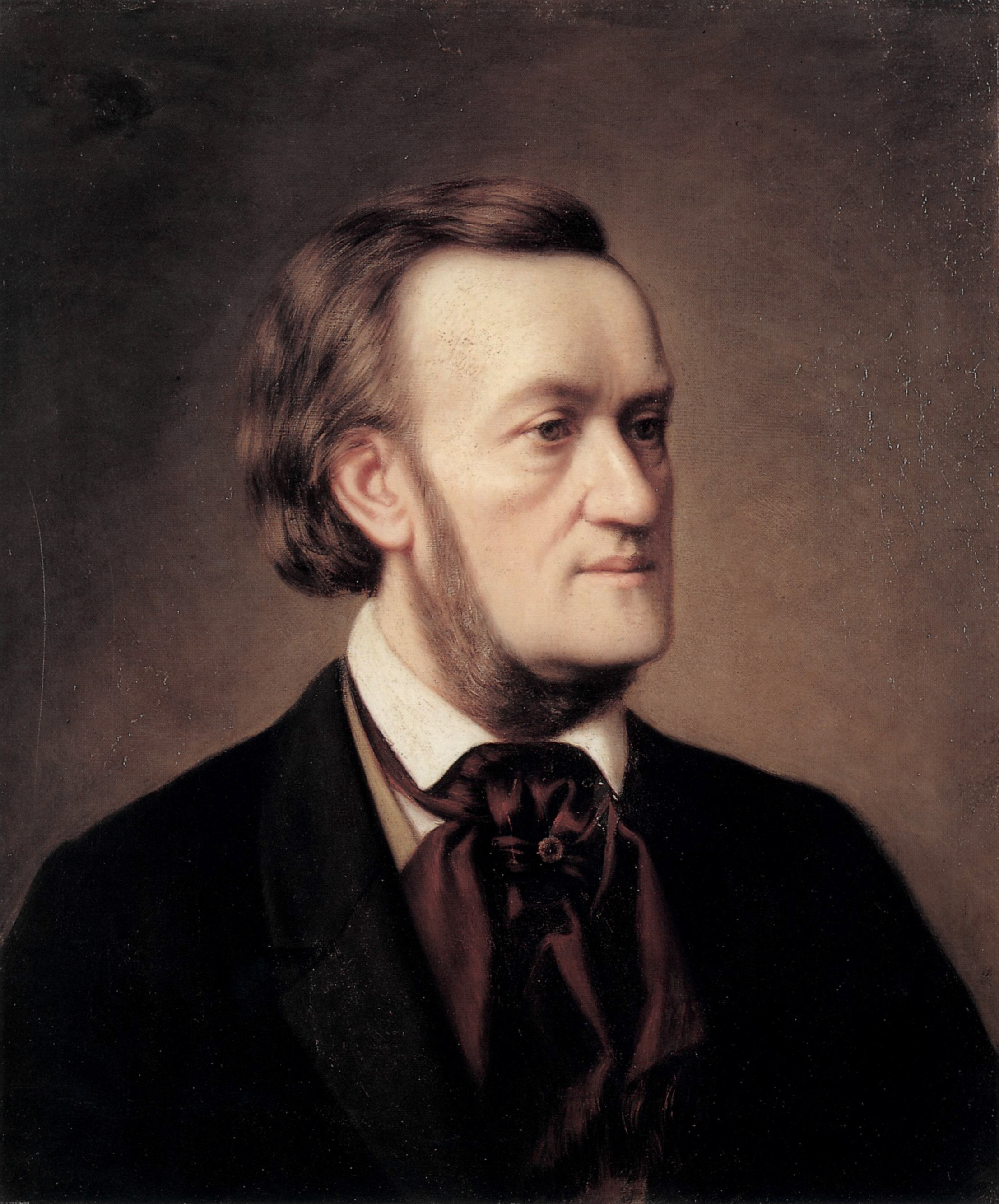
As a teenager, Spector listened to classical records — Sibelius, Gershwin, Wagner — on a friend's reverb-simulating stereo rig, and Wagner stuck: musicologist Sean MacLeod has called Wagner "the main source of inspiration for Spector in his Wall of Sound technique." Spector said as much himself in a 1964 interview: "The records are built like a Wagnerian opera. They start simply and end with dynamic force, meaning and purpose... It's in the mind. I dreamed it up." Classical scholars have pushed back on the comparison as overstated, but it's Spector's own framing for what he was after — grand opera compressed into a three-minute single.
listen: upstream & here
1856
Ride of the ValkyriesRichard Wagner
1966
River Deep – Mountain HighPhil Spector
listen forCue up the Metropolitan Opera Orchestra's recording of "Ride of the Valkyries" and hear how it opens on one insistent motif before the full orchestra piles on in surging waves toward an overwhelming peak. Then play "River Deep – Mountain High," Spector's most extravagantly scaled production, and listen for the same shape: a plain vocal opening buried under wave after wave of strings, horns, and percussion until the arrangement, not the song, becomes the spectacle. No source ties Spector to this specific recording — the link is the dynamic architecture he called "Wagnerian," not a quoted melody.