walking upstream…
Paul Simon

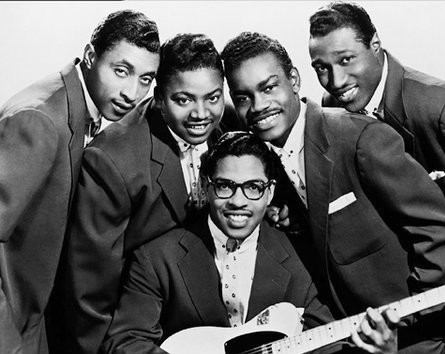
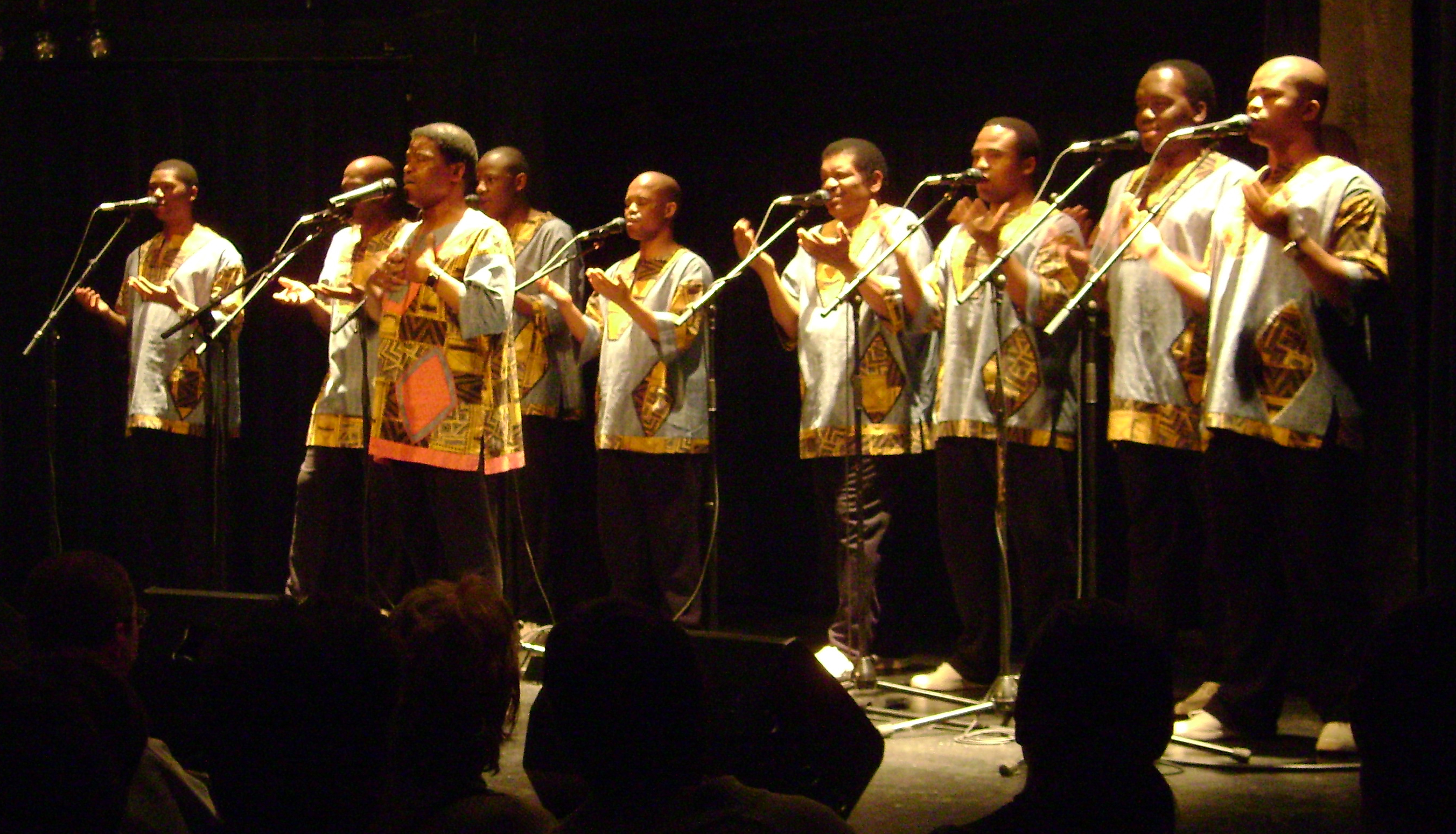
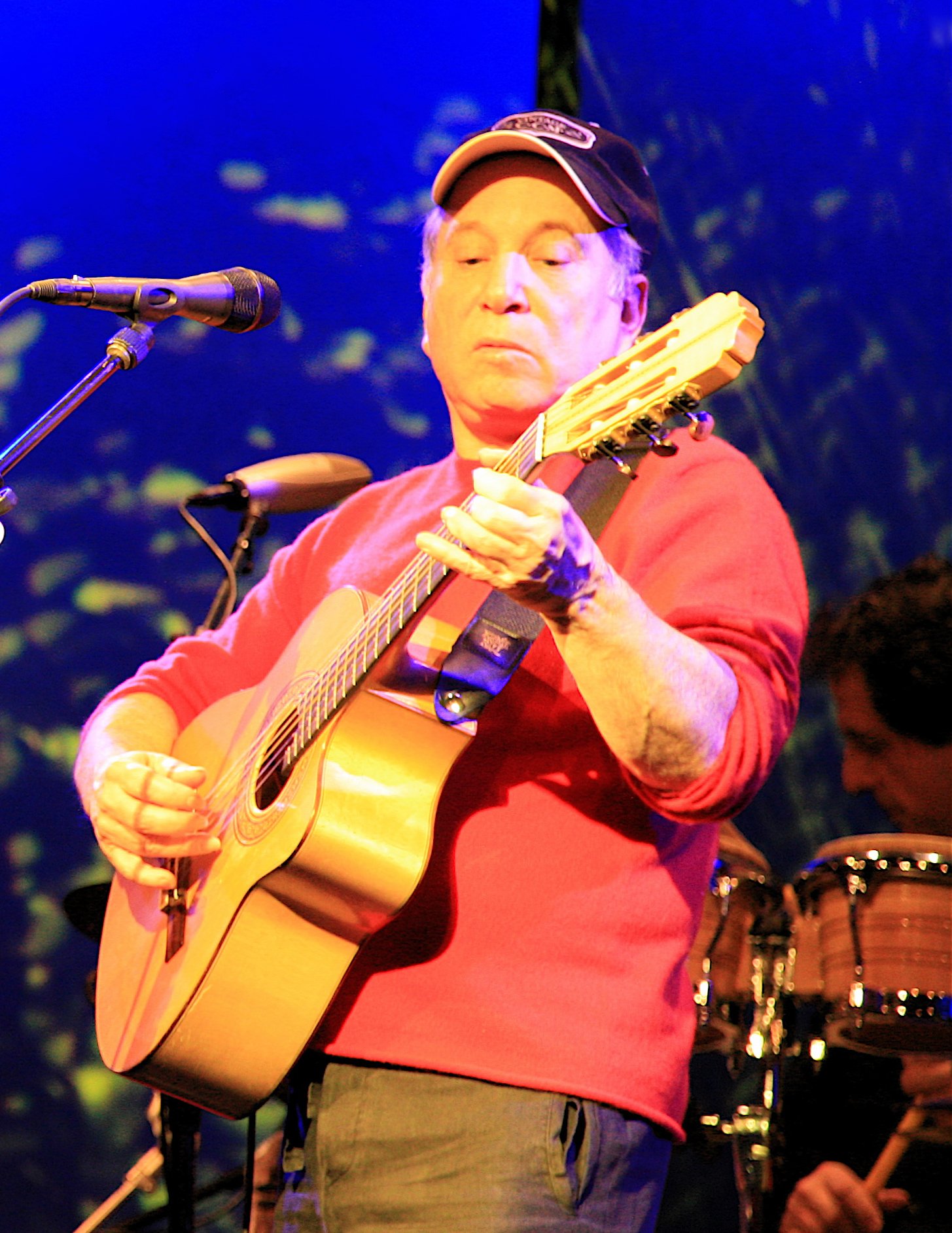 photo: jurvetson · cc by 2.0 ↗
Paul Simon
sourcesAmerican Songwriter — The Band Paul Simon Saw as 'The Soil of American Culture' (rock and roll chops, Bye Bye Love on Bridge Over Troubled Water, the Everlys singing on Graceland) · Rolling Stone — Paul Simon's Restless Journey (basement imitation of the Everlys; Ladysmith's harmonies as "a very familiar thing"; "I never invented anything") · American Songwriter — The Paul Zollo Blog · Smithsonian Magazine — How 'The Sound of Silence' Became a Surprise Hit (urban doo-wop framing) · Songfacts — Homeless by Paul Simon (Simon's "so good at what they did" quote, from the documentary Under African Skies) · Ultimate Classic Rock — How Paul Simon Depended on Other Musicians to Make 'Graceland' (Shabalala's "I nearly fainted" quote; Homeless as an adapted Zulu wedding song) · Biography.com — Paul Simon · Wikipedia — The Everly Brothers · Wikipedia — The Moonglows
In the summer of 1984 a friend handed Paul Simon a bootlegged cassette labeled "Accordion Jive Vol. II"; he played it in the car between Manhattan and Montauk for a month before he wrote a single note over it. The habit went back to childhood: he grew up chasing the vocal-group harmonies on doo-wop radio and, at thirteen, working out the Everly Brothers' close harmony with Art Garfunkel in a Queens basement. As Tom & Jerry they scored a teenage novelty hit; as Simon & Garfunkel they carried that same layered-voice instinct into "The Sound of Silence" and, later, gospel testifying into "Bridge Over Troubled Water." The duo split twice. Through it all Simon kept following harmony to its sources, eventually to a Zulu choir whose sound felt, he said, oddly familiar. Asked to account for the debts, he was blunt: "I never invented anything."
the sound in question
1986
GracelandPaul Simon
walk the tributaries ↓
The Everly Brothers1950s · Rock and roll / Country / Pop
Rolling Stone traces it to two boys hanging out in their basements as kids, imitating the Everly Brothers note for note before either owned a guitar worth the name. Decades later Simon put it plainly: "Artie and I, we really learned to sing harmony by learning the Everly Brothers. And their model was the Louvin Brothers." The apprenticeship became lifelong tribute — Simon & Garfunkel recorded the Everlys' "Bye Bye Love" for Bridge Over Troubled Water, and years afterward, Phil and Don Everly themselves sang backing vocals on Simon's "Graceland."
listen: upstream & heresource: PBS — Ken Burns Country Music ↗
1957
Bye Bye LoveThe Everly Brothers
1970
Bye Bye LovePaul Simon
listen forSet the Everlys' 1957 "Bye Bye Love" beside Simon & Garfunkel's 1970 cover and the source is unmistakable: the same close two-part harmony, the higher voice riding just above the melody rather than under it, the blend so tight the two lines read as one. Where the original rides a rockabilly shuffle and Don and Phil's twang, Simon and Garfunkel slow it into a wistful, string-laced farewell — the harmony technique intact, the emotional register entirely their own.
The Moonglows1950s · R&B / Doo-wop
Simon has never hidden the debt, and he still bristles at how the group got cheated — outsold by a cover from the pop vocal group the McGuire Sisters, and short-changed by the disc jockey Alan Freed's writing credit: "It's true that the McGuire Sisters' version went to number one instead of the Moonglows, siphoning off some of the glory and Alan Freed took writing credit on some of the songs, siphoning off some of the royalties... Nothing's perfect, but to me, 'Sincerely' by the Moonglows is perfect." He traced his own songwriting to the same source, telling the writer Paul Zollo his first songs "were just imitations of doo-wop."
listen: upstream & heresource: Far Out Magazine — The forgotten song Paul Simon called "perfect" (the Moonglows' 'Sincerely' quote) ↗
1954
SincerelyThe Moonglows
1964
The Sound of SilencePaul Simon
listen forPlay the Moonglows' 1954 "Sincerely" against "The Sound of Silence" and listen for what's stripped away rather than added: both recordings foreground close harmony over sparse backing, a lower voice anchoring a higher one that answers and completes it. The Moonglows built that interplay from gospel quartet tradition; a decade later, Garfunkel's tenor doing the same work above Simon's melody carries that street-corner harmony logic into folk music, urban vocal-group technique transplanted whole into a different genre.
Ladysmith Black Mambazo1970s–80s · Isicathamiya / Mbube / A cappella
Simon arrived intimidated: "They were so good at what they did and it was so contained that I didn't know at the time how I could possibly fit into their world," he admitted. Group leader Joseph Shabalala remembered the shock running the other way — a white American singer joining Ladysmith Black Mambazo's a cappella circle at the microphones. "I nearly fainted!" he said in the documentary Under African Skies. "I'm thinking, who is this guy? He is my brother." What became "Homeless" started as a traditional Zulu wedding song; Shabalala adapted its introduction, Simon built an English lyric around it, and neither voice overwhelmed the other.
listen: upstream & heresource: Wikipedia — Ladysmith Black Mambazo ↗
1973
NomathembaLadysmith Black Mambazo
1986
HomelessPaul Simon
listen forCue up 1973's "Nomathemba" before "Homeless" and the doo-wop lineage Simon heard is audible immediately — the same soft, tightly stacked harmony, a lead voice calling and the group answering in close intervals, dynamics kept hushed rather than belted. "Homeless" simply widens the frame: Ladysmith's a cappella Zulu opening gives way to Simon's English verses riding the same vocal bed, two harmony traditions built independently arriving at the same close, layered sound.