walking upstream…
Vampire Weekend
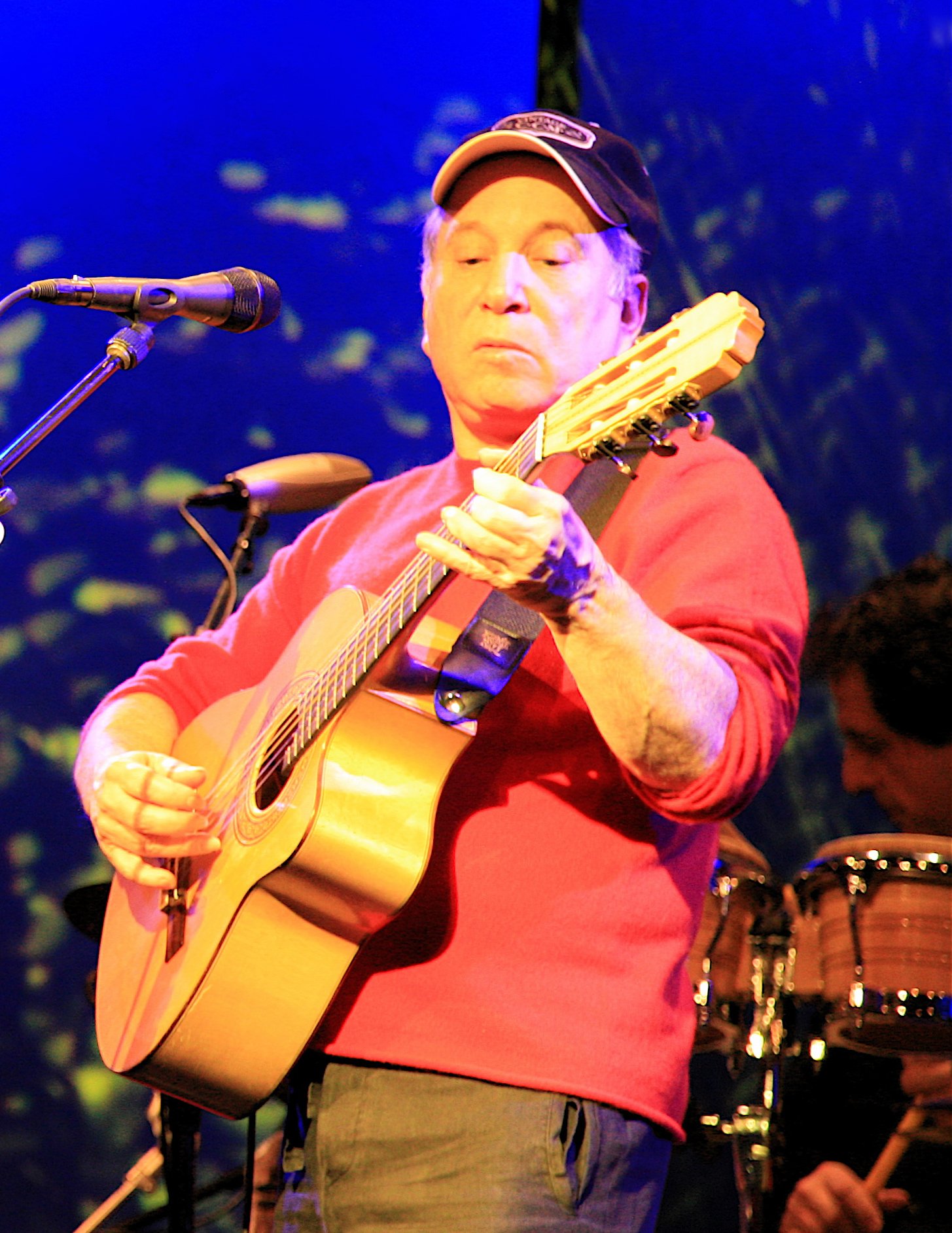


 photo: julio enriquez · cc by 2.0 ↗
Vampire Weekend
Vampire Weekend formed at Columbia University in 2006, when Ezra Koenig, Rostam Batmanglij, Chris Baio, and Chris Tomson bonded over a shared appetite for records that had nothing to do with the mid-2000s Brooklyn scene around them — Paul Simon's Graceland-era Afropop, Cape Verdean and Congolese guitar pop, New England prep-school signifiers, and the clean, agitated angles of English post-punk. Their 2008 self-titled debut, built on chiming baroque-pop keyboards and interlocking African-inflected guitar lines, turned that unlikely blend into an immediate, era-defining sound and drew both acclaim and accusations of cultural tourism that the band has engaged with directly in interviews ever since. 'Contra' (2010) and 'Modern Vampires of the City' (2013) widened the palette without losing the hooks; after Batmanglij's departure, Koenig steered 'Father of the Bride' (2019) and 'Only God Was Above Us' (2024) through a rotating cast of collaborators, keeping the band a restless, referential presence in American indie rock.
the sound in question
2008
A-PunkVampire Weekend
walk the tributaries ↓
Paul Simon1960s–80s · Folk rock / Pop / World music
Rostam Batmanglij has described growing up with Paul Simon's 'The Rhythm of the Saints' on constant rotation in his house, and in a 2021 NPR interview he singled out its opening run of songs as among the recordings he's heard more than almost anything else — a formative reference point he carried directly into how he shaped Vampire Weekend's debut. Critics picked up the same lineage from the other direction: reviewers repeatedly heard 'Cape Cod Kwassa Kwassa''s bubbly, guitar-forward arrangement as a direct descendant of 'Graceland'-era Simon, right down to its buoyant, major-key bounce over a spare rhythm section.
listen: upstream & heresource: NPR Bullseye ↗
1986
Diamonds on the Soles of Her ShoesPaul Simon
2008
Cape Cod Kwassa KwassaVampire Weekend
listen forPlay 'Diamonds on the Soles of Her Shoes' against 'Cape Cod Kwassa Kwassa' — both ride a clipped, high-register electric guitar figure over a light, uncluttered low end, letting the guitar's melodic bounce (rather than a big chorus) carry the song's hook.
Talking Heads1980s · New wave / Art punk / Post-punk / Funk
Talking Heads' David Byrne caught Vampire Weekend opening for Animal Collective early in the band's career and championed them, a nod critics treated as a passing of the torch: reviews of the 2008 debut leaned hard on Talking Heads comparisons, hearing in songs like 'White Sky' the same yelping, nervy vocal delivery and tightly interlocked, African-influenced guitar parts that Byrne and company had pioneered on 'Fear of Music' and 'Remain in Light.'
listen: upstream & here
1979
I ZimbraTalking Heads
2010
White SkyVampire Weekend
listen forSet 'I Zimbra' beside 'White Sky' — both build from a clipped, polyrhythmic guitar-and-percussion weave with almost no sustained chords, topped by a vocal that yelps and leaps rather than croons, treating the voice as one more percussive instrument in the mix.
King Sunny Ade1980s · Juju / African pop
Critics and the band's own account of their debut point to West African juju alongside Congolese soukous as the record's touchstones; King Sunny Ade, whose 1982 breakthrough 'Juju Music' was the style's main international ambassador, is the clearest reference point for that side of the sound. Ade's juju style is built on interlocking, high, clean electric-guitar lines that trade phrases over a steady, uncluttered rhythm section — a direct template for the guitar-forward, melodically busy arrangements Vampire Weekend built their sound around, distinct from the more explicitly Congolese soukous lineage of songs like 'Cape Cod Kwassa Kwassa.'
listen: upstream & here
1982
Ja FunmiKing Sunny Ade
2010
OttomanVampire Weekend
listen forCompare 'Ja Funmi' with 'Ottoman' — both stack multiple clean, treble-forward guitar lines that dart around each other in short, repeating phrases, harpsichord-like in their precision, with the rhythm section staying spare so the guitars can carry the entire melodic argument.