walking upstream…
Passenger


sourcesWikipedia · No Depression
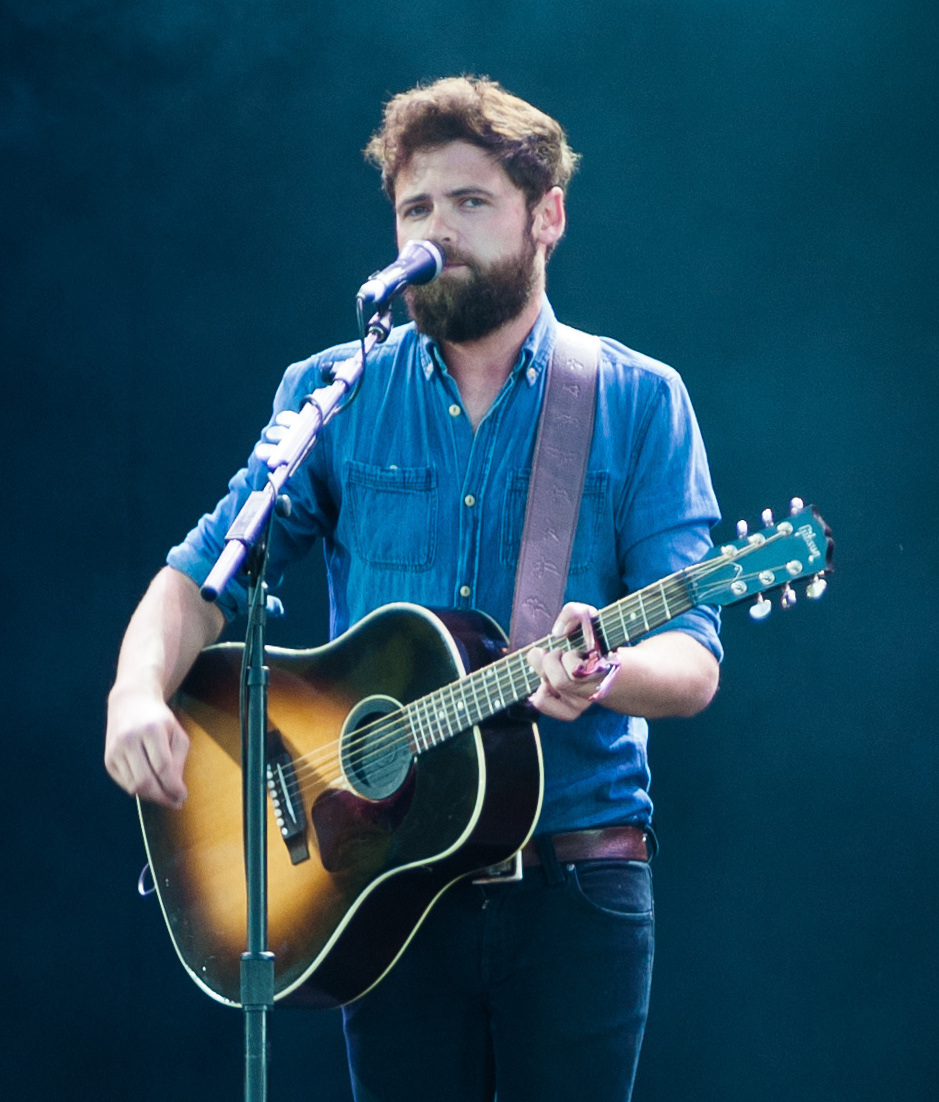
Michael David Rosenberg started out fronting a five-piece band called Passenger in Brighton in 2003; when it dissolved in 2009 he kept the name and took to busking solo across Australia and Europe, sharpening a plainspoken, story-driven songwriting style street corner by street corner. That apprenticeship paid off in 2012: his fifth album, 'All the Little Lights,' produced 'Let Her Go,' a global, harmonica-laced hit that topped charts in sixteen countries and has since passed four billion YouTube views, winning an Ivor Novello Award for Most Performed Work. Rather than chase a repeat, Rosenberg has stayed quietly prolific since — more than a dozen albums of intimate folk and folk-rock, most recently 'One for the Road' (2025) — favoring careful, character-driven storytelling over arena ambition.
the sound in question
2012
Let Her GoPassenger
walk the tributaries ↓
Bob Dylan1960s · Folk / Folk rock / Rock
Profiling Rosenberg ahead of a Nashville show, No Depression noted that his favorite artists are "pretty much all Americans," naming Bob Dylan, Neil Young and Paul Simon as songwriters he grew up on. Dylan's fingerprint shows up as a trust in the plain sentence — letting a story unfold in ordinary, almost spoken language rather than reaching for a poetic turn of phrase.
listen: upstream & here
1963
Don't Think Twice, It's All RightBob Dylan
2012
The Wrong DirectionPassenger
listen forLine up Dylan's 'Don't Think Twice, It's All Right' with Passenger's 'The Wrong Direction' — both ride a simple strummed-guitar-and-harmonica figure under a talky, conversational vocal that sounds like it's working something out in real time.
Neil Young1970s · Folk rock / Country rock / Rock
Neil Young is the second name in that same No Depression profile of Rosenberg's formative listening. The mark he leaves is vocal and textural: a reedy, unguarded voice sitting close to the mic over a spare acoustic arrangement, favoring bareness over polish even when a song is aimed at a mass audience.
listen: upstream & here
1972
Heart of GoldNeil Young
2012
HolesPassenger
listen forPlay Young's 'Heart of Gold' beside Passenger's 'Holes' — both strip the arrangement down to acoustic guitar, harmonica and a plaintive, slightly cracked lead vocal, leaving the emotional weight entirely on the singer's tone.
Paul Simon1960s–80s · Folk rock / Pop / World music
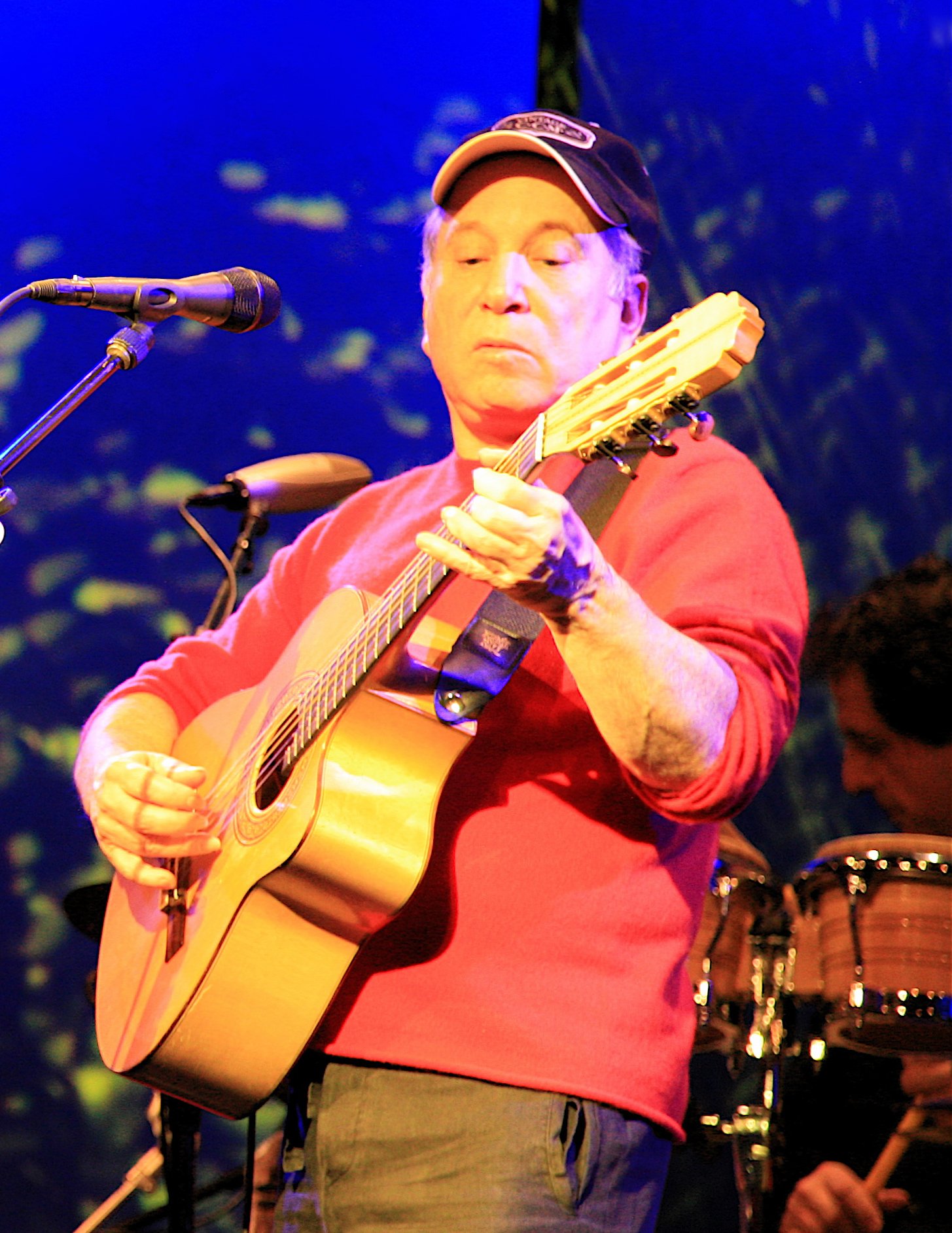
Paul Simon rounds out the trio of American songwriters No Depression identified as Rosenberg's touchstones, with Simon & Garfunkel described as a childhood "mainstay." The influence surfaces as structure: a verse that reads like a small, specific short story, building patiently toward a chorus that widens into something communal and singable rather than simply loud.
listen: upstream & here
1986
GracelandPaul Simon
2014
Scare Away the DarkPassenger
listen forCompare Simon's 'Graceland' with Passenger's 'Scare Away the Dark' — both move from a warm, story-driven verse into a broad, hands-in-the-air group chorus, turning a private observation into something a whole room can sing back.