Ñengo Flow
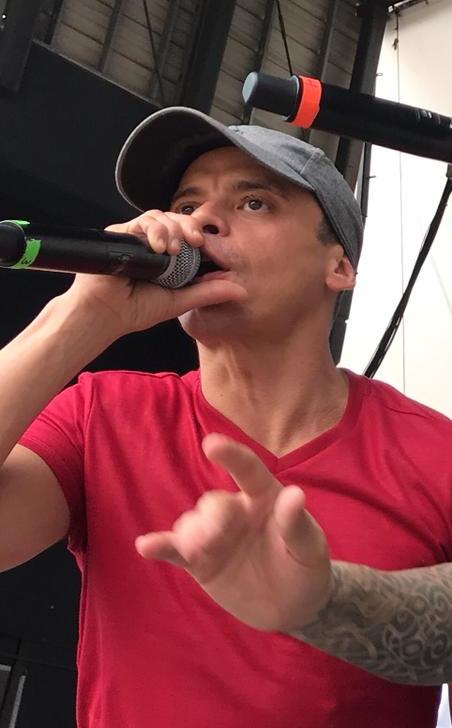

In Bayamón, Puerto Rico, in the mid-1990s, a thirteen-year-old named Edwin Rosa Vázquez Ortiz stepped onto a neighborhood stage and found out he could rap — friends started calling him "Real Gánster," a nickname that later became Real G4 Life, the mixtape series that carried him to reggaetón's front rank after its 2011 debut. He'd broken in years earlier, on Voltio's 2005 compilation Sangre Nueva and his own debut album Flow Callejero, turning street-level experience from his own childhood into lyrics blunt enough that his early label pitched him as a spokesman for barrio life. In 2022, "Gato de Noche," a duet with Bad Bunny, put him on the Billboard Hot 100 — the neighborhood's nickname, decades later, still holding up.
Every January, Puerto Rican urban-music pages mark Vico C's birthday with tributes from the artists he shaped, and in one clip recirculated across Facebook and Instagram, Ñengo Flow didn't hedge: "para mi Vico c es el papá el que empezó todo el que influyó en mi para convertirnos en lo que somos hoy en día, en rapear en español" — for him, Vico C is the father who started it all, the reason he raps in Spanish at all. It's the plainest kind of debt: no shared scene or producer, just one rapper naming the one who came first.
listen forOn "La Recta Final," Vico C rides a boom-bap beat like a storyteller, stacking internal rhymes into long unbroken lines and never reaching for a sung hook. That same rap-first instinct surfaces on Ñengo Flow's "Haciéndolo": verses packed dense and fast, the hook kept minimal, the bars doing work a melody would do elsewhere. Neither chases the dancefloor — both trust the rhyme scheme to carry the record, a lineage traceable straight back to the man Ñengo calls the father of rapping in Spanish.