walking upstream…
Mercyful Fate
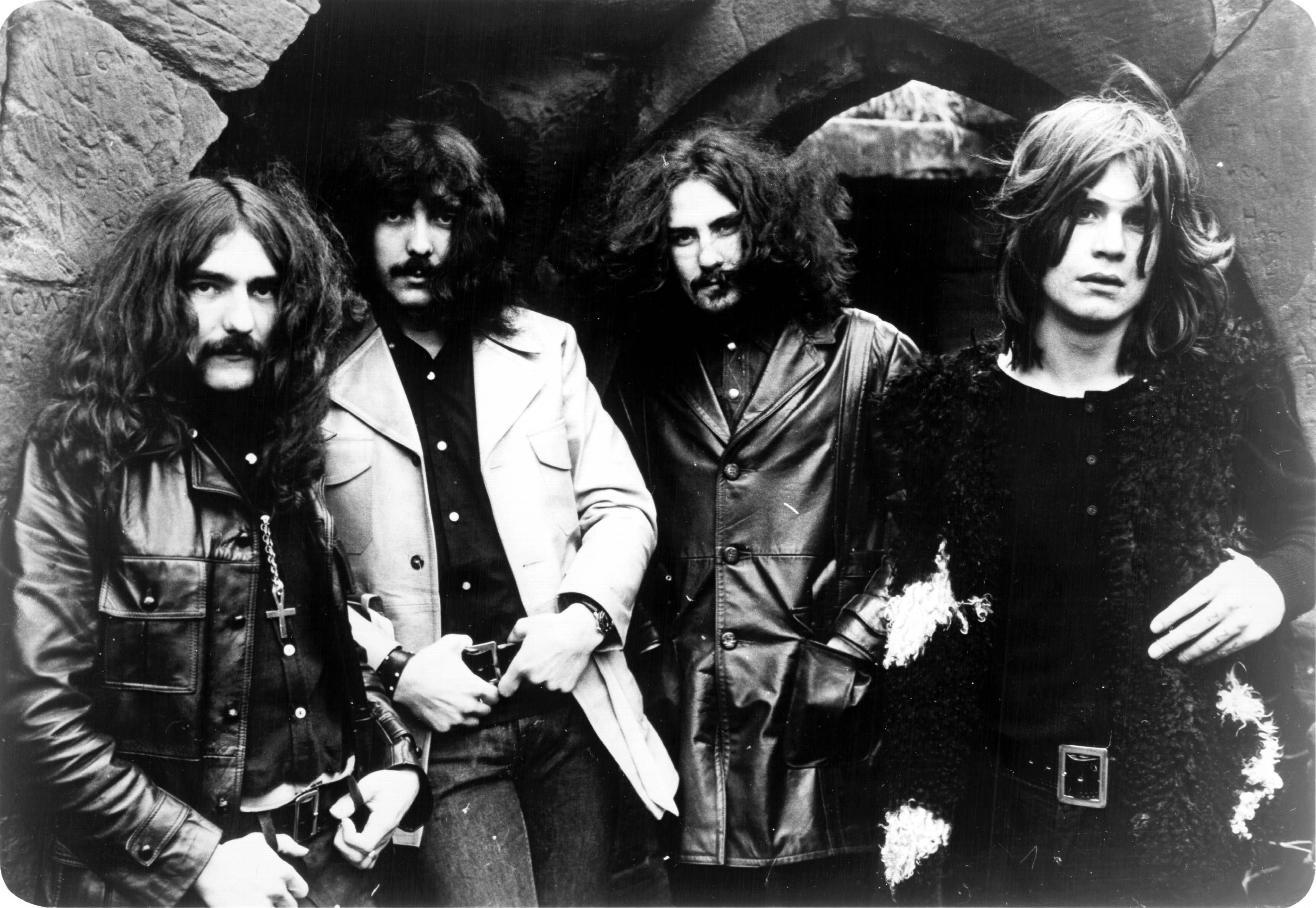


 photo: dr_zoidberg (flickr) · cc by-sa 2.0 ↗
Mercyful Fate
sourcesWikipedia — Mercyful Fate (band formation, PMRC controversy, Lars Ulrich quote) · Wikipedia — King Diamond (birth name, formative albums) · Louder — King Diamond interview (Jimmy Page/"Dazed and Confused" testimony, Alice Cooper and Peter Gabriel stagecraft) · AllMusic — Melissa review by Steve Huey (the "dark occult obsessions... twin-guitar riffing" line)
In the spring of 1981, guitarist Hank Shermann and singer Kim Bendix Petersen quit the Copenhagen punk band Brats rather than write the commercial material their label CBS wanted, forming Mercyful Fate instead. Petersen, renamed King Diamond, had been floored as a teenager by Alice Cooper's and Peter Gabriel's stagecraft; he built on it, pairing an operatic countertenor and early corpse paint with Shermann and Michael Denner's twin-guitar attack. The band spent just twelve days in 1983 tracking their debut, Melissa, whose "Into the Coven" later made the PMRC's "Filthy Fifteen" — the same year internal friction broke the band apart. They reunited in 1992, split again in 1999, and reunited fully in 2019. Lars Ulrich has called their records "a very, very big inspiration for our sound"; the theatrical, occult-steeped template Mercyful Fate built at Easy Sound Studios became a founding text for thrash and death metal alike.
the sound in question
1983
EvilMercyful Fate
walk the tributaries ↓
Black Sabbath1970s · Heavy metal / Hard rock
Hank Shermann says Sabbath's Sabotage and Sabbath Bloody Sabbath were his favorite records before he ever formed a band, and King Diamond's own official biography lists Black Sabbath's Master of Reality as one of the first two albums he ever bought, alongside Deep Purple's Fireball. When the AllMusic critic Steve Huey later summed up Mercyful Fate's debut, he wrote that it "took Black Sabbath's dark occult obsessions to an extreme, fusing them with the speed and tightened, twin-guitar riffing attack" of the British metal bands around them — the lineage stated as plainly as a review can state it.
listen: upstream & heresource: Give Me Metal — Mercyful Fate family tree (Shermann and Denner on Black Sabbath and Judas Priest) ↗
1973
Sabbath Bloody SabbathBlack Sabbath
1983
Into the CovenMercyful Fate
listen for"Sabbath Bloody Sabbath" opens on a single hammered power-chord riff — the one Tony Iommi wrote to break a spell of writer's block — before the band drops into an off-kilter, tempo-shifting mid-section. "Into the Coven" builds the same way in miniature: it starts on one guitar alone, King Diamond's voice arriving overhead, then a second guitar and the drums stack on top until the riff reaches full weight. Both treat the riff as a mounting threat rather than a hook, adding one element at a time before the vocal turns from a moan into a shriek.
Judas Priest1980s · Heavy metal
Hank Shermann named Judas Priest's Stained Class, Sin After Sin, and Sad Wings of Destiny as favorite records and Glen Tipton as one of his favorite composers; guitarist Michael Denner has said much the same, simply that he's a huge fan of the band. That devotion shows in how Shermann built Mercyful Fate's own longest song: he wrote "Satan's Fall" across sleepless nights on an unplugged guitar in his living room, adding part after part until, by Denner's own count, it held some sixteen riffs — a compositional patience closer to Tipton's arrangements than to punk.
listen: upstream & heresource: Give Me Metal — Mercyful Fate family tree (Shermann and Denner on Black Sabbath and Judas Priest) ↗
1978
Beyond the Realms of DeathJudas Priest
1983
Satan's FallMercyful Fate
listen for"Beyond the Realms of Death" builds through patient dynamic shifts — a hushed, clean verse that keeps expanding until Tipton's guitar breaks into a soaring solo at full volume. "Satan's Fall," Mercyful Fate's own eleven-minute epic, works the same trick at greater length: roughly a dozen sections that never repeat, swinging between hushed verses and full-throttle riffing, with Shermann and Denner trading solos instead of one guitarist carrying the whole song. Listen for the shared instinct — length used as room for drama, not repetition.
Led Zeppelin1970s · Hard rock / Blues rock
King Diamond was thirteen in 1970 when he first heard Jimmy Page's solo on "Dazed and Confused": "I was mesmerised," he told Louder, "by the way that music danced around." Thirteen years later, during the Melissa sessions, the band's own label pushed them toward the same record, asking for a Led Zeppelin cover; Mercyful Fate tracked "Immigrant Song" and then shelved it, though Shermann later said Diamond's vocal take had come out sounding uncannily like Robert Plant's own.
listen: upstream & heresource: Wikipedia — Melissa (recording details, Steve Huey/AllMusic quote, the shelved Led Zeppelin cover, track listing) ↗
1969
Dazed and ConfusedLed Zeppelin
1983
MelissaMercyful Fate
listen for"Dazed and Confused" is built on tension and release — a fuzzed, minor-key riff that drops away for a hushed interlude before crashing back at full volume. "Melissa," the album's closing title track, is Mercyful Fate's one moment of vulnerability: a slower, melancholic song for a witch burned at the stake, its guitars pulling back to bare arpeggios before swelling into the record's most expansive solo. Both songs use quiet as ammunition — the loud parts hit harder because the band knew when to stop playing.