walking upstream…
Mary J. Blige
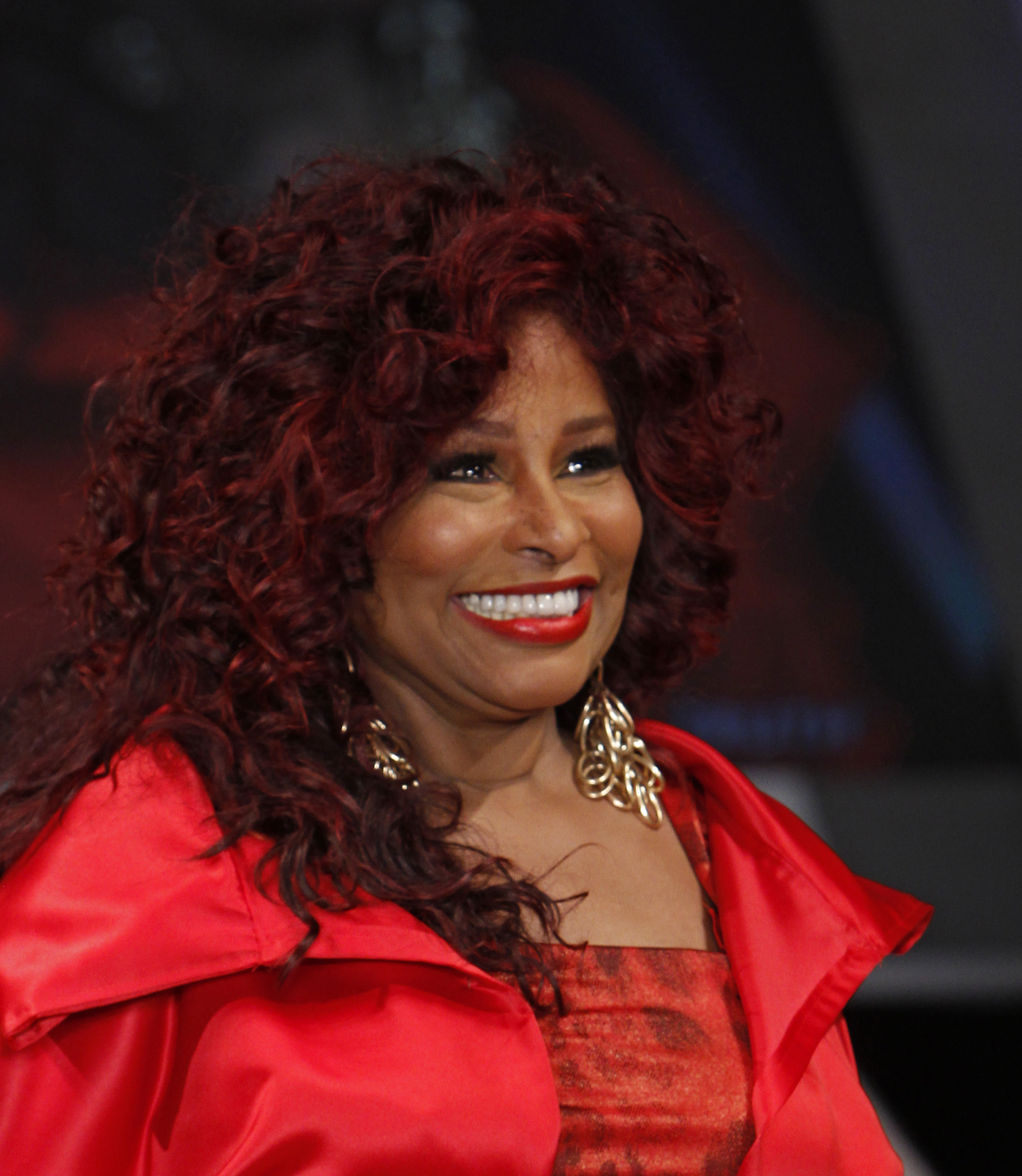


 photo: steve jurvetson · cc by 2.0 ↗
Mary J. Blige
Mary J. Blige was born January 11, 1971, at Fordham Hospital in the Bronx, then raised in the Schlobohm Housing Projects of Yonkers after her father, a jazz musician, left the family in the mid-1970s. "Singing was the escape for me," she has said. "Singing made me forget that we were struggling so much." In early 1988, at 17, she cut an impromptu cover of Anita Baker's "Caught Up in the Rapture" at a Galleria Mall recording booth; the cassette reached Uptown Records, which signed her at 18. Her 1992 debut, What's the 411?, fused the soul her mother played at home with the hip-hop of Yonkers block parties, a synthesis the press soon dubbed "hip-hop soul." She has spent three decades refining that fusion, turning her own hardship into a signature confessional style.
the sound in question
2001
Family AffairMary J. Blige
walk the tributaries ↓
Chaka Khan1970s–80s · Funk / R&B / Disco / Jazz
Asked by Rolling Stone in 2007 whose voice was perfect, given that hers wasn't, Blige didn't hedge: "Chaka Khan." Pressed further, she drew the line even sharper, ranking Whitney Houston as merely "technically the best" — a distinction that leaves Khan somewhere above technique. It's a debt Blige has paid twice in the studio: her breakout debut carried a cover of a Rufus and Chaka Khan hit, and nearly two decades later she returned to the well for another.
listen: upstream & heresource: Rolling Stone — Q&A ↗
1975
Sweet ThingChaka Khan
1992
Sweet ThingMary J. Blige
listen forKhan's 1975 original rides Rufus's slinky, unhurried funk groove, her voice curling around the beat rather than sitting on top of it. Blige's 1992 version keeps that same loose pocket but roughens the edges, layering in the clipped drum sounds and vocal ad-libs of the hip-hop she grew up on around the same groove — Billboard called it a track she "transformed," infusing the classic with her own hip-hop stylistics without losing Khan's original melodic shape.
Aretha Franklin1960s-70s · Soul / R&B / Gospel
In the Schlobohm projects, Franklin was the record Blige's mother reached for most, walking the house singing along to it while her daughter watched. "I just always wanted to be her," Blige has said. "I wanted to look like her. I wanted to sing the way she did." That inherited devotion became a repertoire: Blige recorded studio covers of two different Franklin songs and, in 2001, shared a stage with Franklin herself at a VH1 tribute taped at Radio City Music Hall, closing the loop from her mother's living room to a duet with the original singer.
listen: upstream & heresource: Cheat Sheet — Mary J. Blige's Connection to Aretha Franklin Dates Back to Her Childhood ↗
1972
Day DreamingAretha Franklin
1998
Day Dreaming (Live)Mary J. Blige
listen forFranklin's 1972 "Day Dreaming" is hushed and unhurried, her voice floating over a soft flute-and-harp arrangement rather than pushing against it — restraint as a vocal choice. Video Librarian's review of the 2001 Divas Live tribute singled out Blige's version of the same song as "sultry" and "cool," a description that fits: she keeps Franklin's low-key intimacy rather than belting through it, then raises the temperature only for the duet that follows.
Gladys Knight1970s · Soul / R&B
Knight belongs to the crate of records Blige's father left behind when he walked out — "Parliament, B.T. Express... Did I mention Gladys Knight?" she told Rolling Stone, the afterthought landing like an emphasis. She names Knight again, alongside Franklin, in the same breath as her hip-hop childhood: "Growing up I heard a lotta Aretha Franklin, Gladys Knight, Otis Redding, a lotta jazz, a lotta gospel," she told Blues & Soul. No cover or sample ties the two directly — the link is a shared vein of dramatic, string-swept soul balladry, not a borrowed record.
listen: upstream & heresource: Rolling Stone — Q&A ↗
1973
Neither One of Us (Wants to Be the First to Say Goodbye)Gladys Knight
2001
No More DramaMary J. Blige
listen forKnight's 1973 "Neither One of Us" builds its ache slowly, strings rising under a vocal that stays composed even as the lyric admits defeat. Blige's 2001 "No More Drama" works the same theatrical staging of pain — swelling strings, a vocal that holds back before it breaks — though the connection is a shared mood rather than a documented direct link, an open thread worth chasing further.