walking upstream…
Hikaru Utada

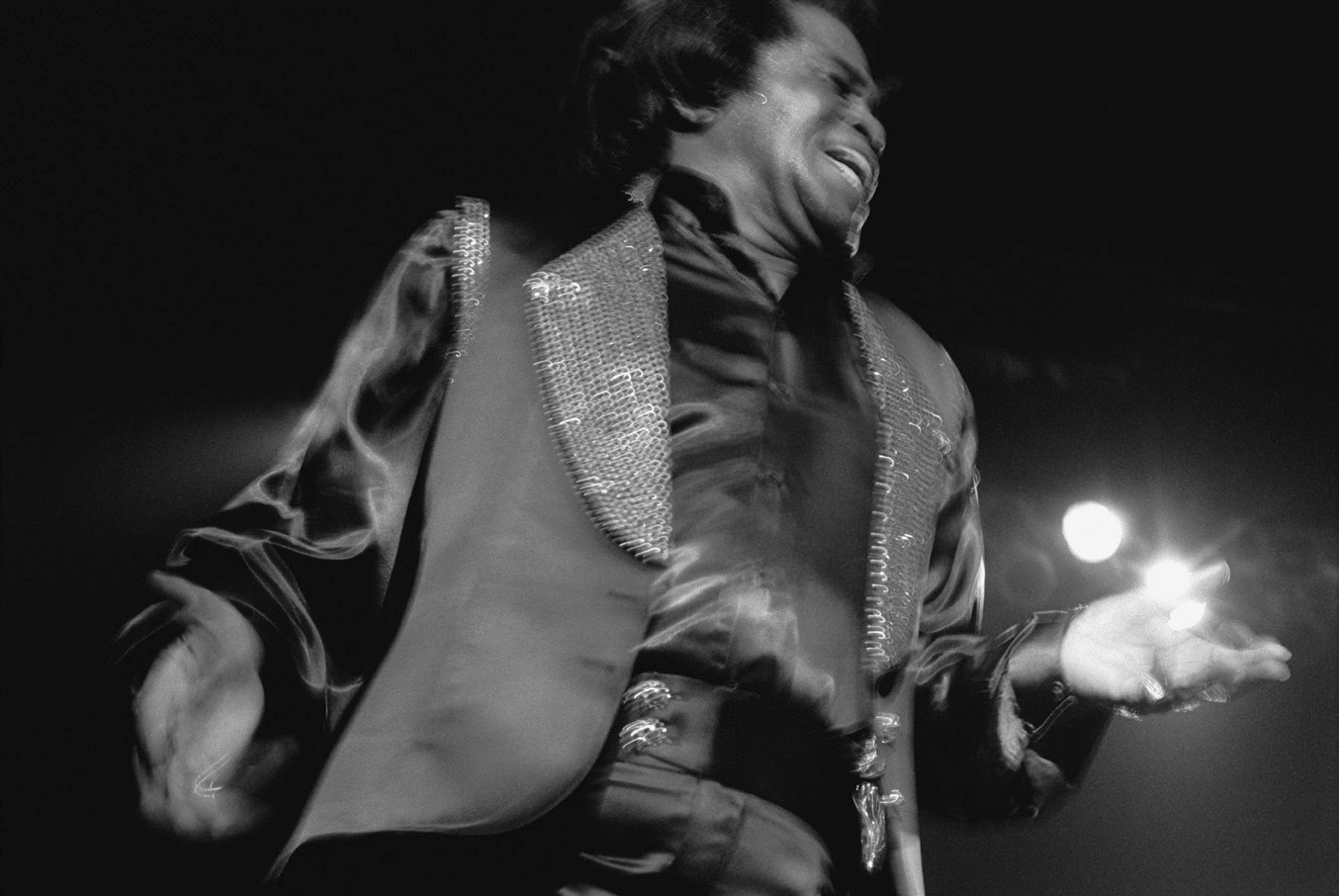
 photo: goldnrush podcast · cc by 4.0 ↗
Hikaru Utada
In a Four Seasons hotel lobby in 2004, Hikaru Utada's father calls their shared trade "the family business" — "if she wants to do it..." — before his daughter cuts him off: "But you guys made me!" Born in New York in 1983 to producer Teruzane Utada and enka singer Keiko Fuji, and billed over the years as Utada Hikaru, Hikaru Utada, and simply Utada, she debuted at fifteen with First Love (1999), still Japan's best-selling album, then spent two decades running separate English- and Japanese-language careers rather than merging them. "Switching languages," she told NPR in 2022, "allows me to share myself more without the filtering I have to do." Whichever language, whichever producer, the songs keep circling the same instinct: total honesty, even when it's uncomfortable.
the sound in question
1999
First LoveHikaru Utada
walk the tributaries ↓
Keiko Fuji1970s · Enka / Japanese pop
Utada's mother Keiko Fuji was one of Japan's biggest-selling enka singers, and the easy explanation for the darkness in Utada's own voice has always been genre — a ballad tradition passed down. Utada rejects that story outright. Asked on NPR in 2022 whether enka explained it, she said, "I don't think I've been influenced by enka, but I have been influenced in the sense of just watching a professional singer doing her job." What actually transferred, she says, was a specific quality her mother carried even into happy lyrics — a "little sadness" — absorbed by proximity, not by studying the style.
listen: upstream & heresource: NPR — "Breaking the boundaries of language and genre, Hikaru Utada finds freedom" (bio; Keiko Fuji vocal-influence quote) ↗
1970
Keiko no Yume wa Yoru HirakuKeiko Fuji
2001
Final DistanceHikaru Utada
listen forPlay Fuji's "Keiko no Yume wa Yoru Hiraku" against Utada's "Final Distance" and listen past the three-decade production gap to a shared vocal habit: both singers sit close to the mic and let the tone crack slightly instead of smoothing it over, so a plainly delivered, unhurried line carries more weight than a technically bigger vocal would. It's the quality Utada says she picked up simply from watching her mother work — not from learning enka as a style.
Aaliyah1990s · R&B / Pop / Hip hop
Utada has said she doesn't cover other artists' songs, so it mattered when a 2009 interviewer asked whether the line "one in a million" on "Come Back to Me" nodded to Aaliyah, and she didn't deny it: "Yeah, a little bit, yeah," she said, laughing. She'd already gone deep on the connection unprompted, naming Aaliyah's "Age Ain't Nothin' But a Number" an all-time favorite and marveling that a teenager could sing a grown woman's relationship song and "make it sound like there was some kind of magic when she sang it."
listen: upstream & heresource: JETwit — "JQ interview with Hikaru Utada" (Aaliyah and James Brown influence quotes) ↗
1996
One in a MillionAaliyah
2009
Come Back to MeHikaru Utada
listen forSet Aaliyah's "One in a Million" beside Utada's "Come Back to Me" and the debt is in the phrasing: both ride a skittering, mid-tempo R&B pulse with the vocal held slightly behind the beat, murmured rather than pushed, so each hook lands like a private aside instead of a chorus. Utada's own borrowed phrase — "one in a million" — sits inside that same unhurried delivery, a small nod delivered in Aaliyah's own understated register.
James Brown1960s–70s · Funk / Soul / Rhythm and blues
Utada's favorite song on Exodus (2004) started as a joke: unable to speak Spanish, she trawled online dictionaries for a phrase that fit a melody, landed on "me muero" ("I'm dying"), and wrote a lyric around it. The vocal performance came from somewhere specific, though. "That's around when I began listening to a lot to James Brown during that time," she told JETwit in 2009, "so there's a bit of a James Brown-sort of thing at the end, just singing, belting out at the end."
listen: upstream & heresource: JETwit — "JQ interview with Hikaru Utada" (Aaliyah and James Brown influence quotes) ↗
1956
Please, Please, PleaseJames Brown
2004
Me MueroHikaru Utada
listen forBrown's "Please, Please, Please" is built to end in a scream, abandoning melody for raw, pleading volume. Utada's "Me Muero" spends most of its runtime as a cool, conversational studio experiment, then does the same thing in miniature: the closing lines drop the song's playful restraint for an open-throated belt — the one moment on the track where she stops performing control and just shouts the words out, the specific debt she names to Brown.