walking upstream…
Luther Vandross

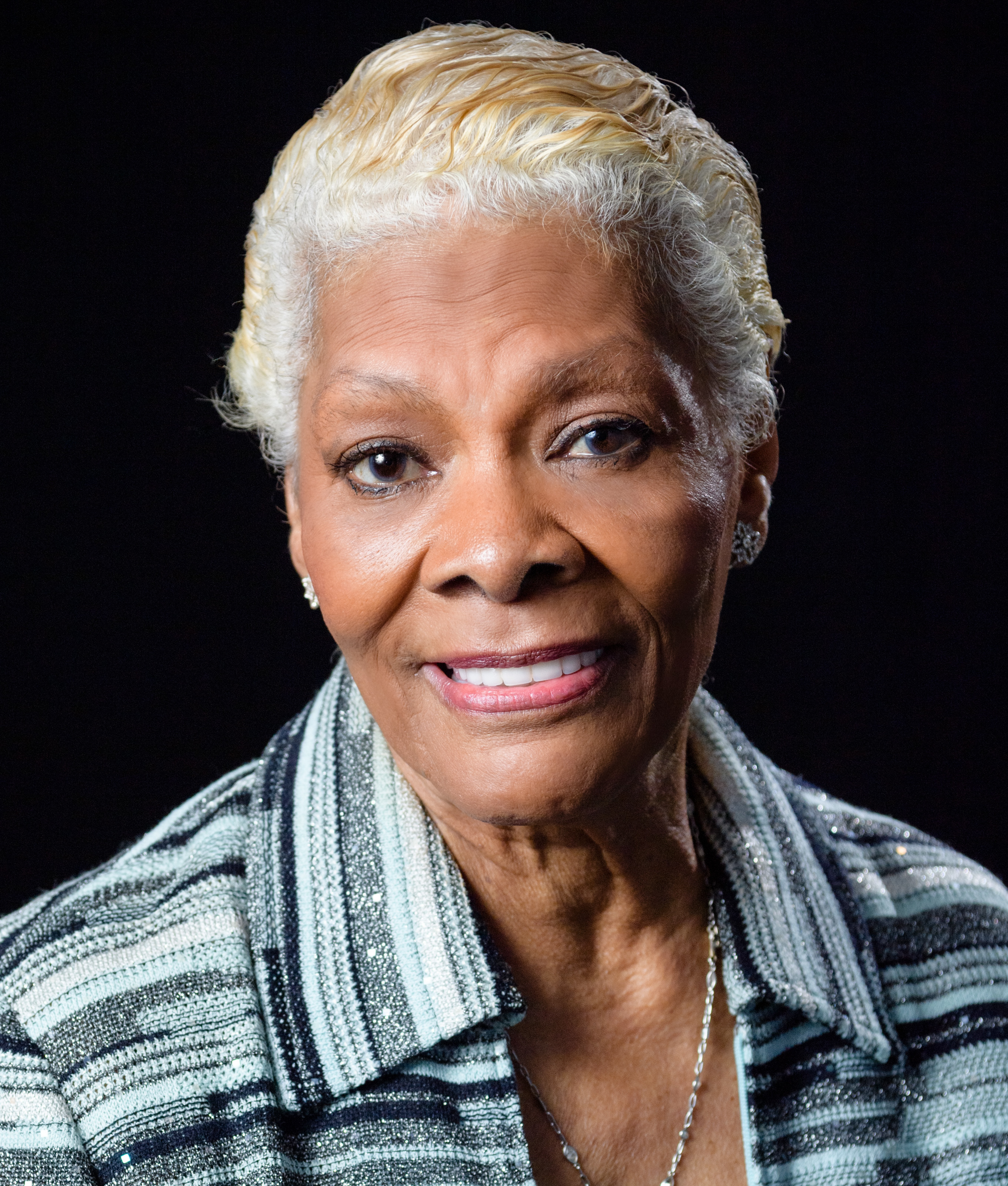

 photo: unknown · public domain ↗
Luther Vandross
Luther Vandross grew up in New York public housing, first on the Lower East Side and then in the Bronx, raised largely by his mother after his father, a big-band singer, died when Luther was eight. He taught himself piano by ear at three, formed harmony groups through high school, and by his twenties was one of New York's most in-demand background vocalists, arranging vocal parts for David Bowie, Chaka Khan, and Bette Midler before fronting the studio disco act Change on 'The Glow of Love.' His 1981 solo debut 'Never Too Much' introduced a plush, meticulously controlled tenor built for slow-building romantic balladry, and across eleven consecutive platinum albums he became the defining voice of quiet storm R&B, closing his recording career with the Grammy-winning 'Dance with My Father' before his death in 2005.
the sound in question
1981
Never Too MuchLuther Vandross
walk the tributaries ↓
The Supremes1960s · Soul / Pop / R&B
Vandross called himself 'the original Supremes-aholic,' recalling how he and his siblings waited for the group's Ed Sullivan Show appearances 'like a junkie waiting for a fix,' studying how Diana Ross, Florence Ballard, and Mary Wilson sang, moved, and looked at an audience — 'in addition to what they sang, we were always ready to see what they would wear.' He was reportedly so devastated when the group split so Ross could go solo that his grades suffered, an early sign of how completely Motown's glossiest act shaped his sense of what a pop performance should look and sound like.
listen: upstream & heresource: uDiscover Music ↗
1964
Baby LoveThe Supremes
1986
Stop to LoveLuther Vandross
listen forSet 'Baby Love' beside 'Stop to Love' — both wrap a plainspoken romantic plea in a bright, four-on-the-floor pop arrangement and a vocal that never strains or shouts, all poise and choreography rather than raw church testifying.
Dionne Warwick1960s · Pop / R&B / Soul
At fourteen, Vandross saw Warwick perform Burt Bacharach and Hal David's 'Anyone Who Had a Heart' live at a Brooklyn theater, a night he later described as the moment he knew he wanted to sing. He kept returning to her catalogue for the rest of his career — recording his own version of her signature 'A House Is Not a Home' and, decades later, producing Warwick's own album 'How Many Times Can We Say Goodbye' — treating her poised, elastic phrasing over Bacharach's intricate melodic lines as a permanent reference point.
listen: upstream & here
1963
Anyone Who Had a HeartDionne Warwick
1981
A House Is Not a HomeLuther Vandross
listen forCompare Warwick's 'Anyone Who Had a Heart' with Vandross's 'A House Is Not a Home' — both hold a wide, dramatic Bacharach melody at an unhurried tempo, letting one unbroken vocal line carry the song's full emotional weight instead of a hook or a beat.
Aretha Franklin1960s-70s · Soul / R&B / Gospel
Vandross said the difference between Black and white households was that 'the mother loves Aretha Franklin and the sons and daughters love Aretha Franklin' too — an admiration so total that in 1982 Clive Davis paired him with Franklin to produce her comeback album 'Jump to It.' Her gospel-trained command of dynamics, the way she could drop from a shout to a whisper inside one phrase, became a technical model underneath his own reserved, disciplined balladeering.
listen: upstream & here
1973
Until You Come Back to Me (That's What I'm Gonna Do)Aretha Franklin
1983
Superstar/Until You Come Back to Me (That's What I'm Gonna Do)Luther Vandross
listen forPlay Franklin's 'Until You Come Back to Me (That's What I'm Gonna Do)' next to Vandross's own 'Superstar/Until You Come Back to Me' medley — both take a similar melodic frame through slow-building dynamic swells, pulling back to near-whisper verses before opening into full-voiced, church-trained release.