walking upstream…
Dionne Warwick

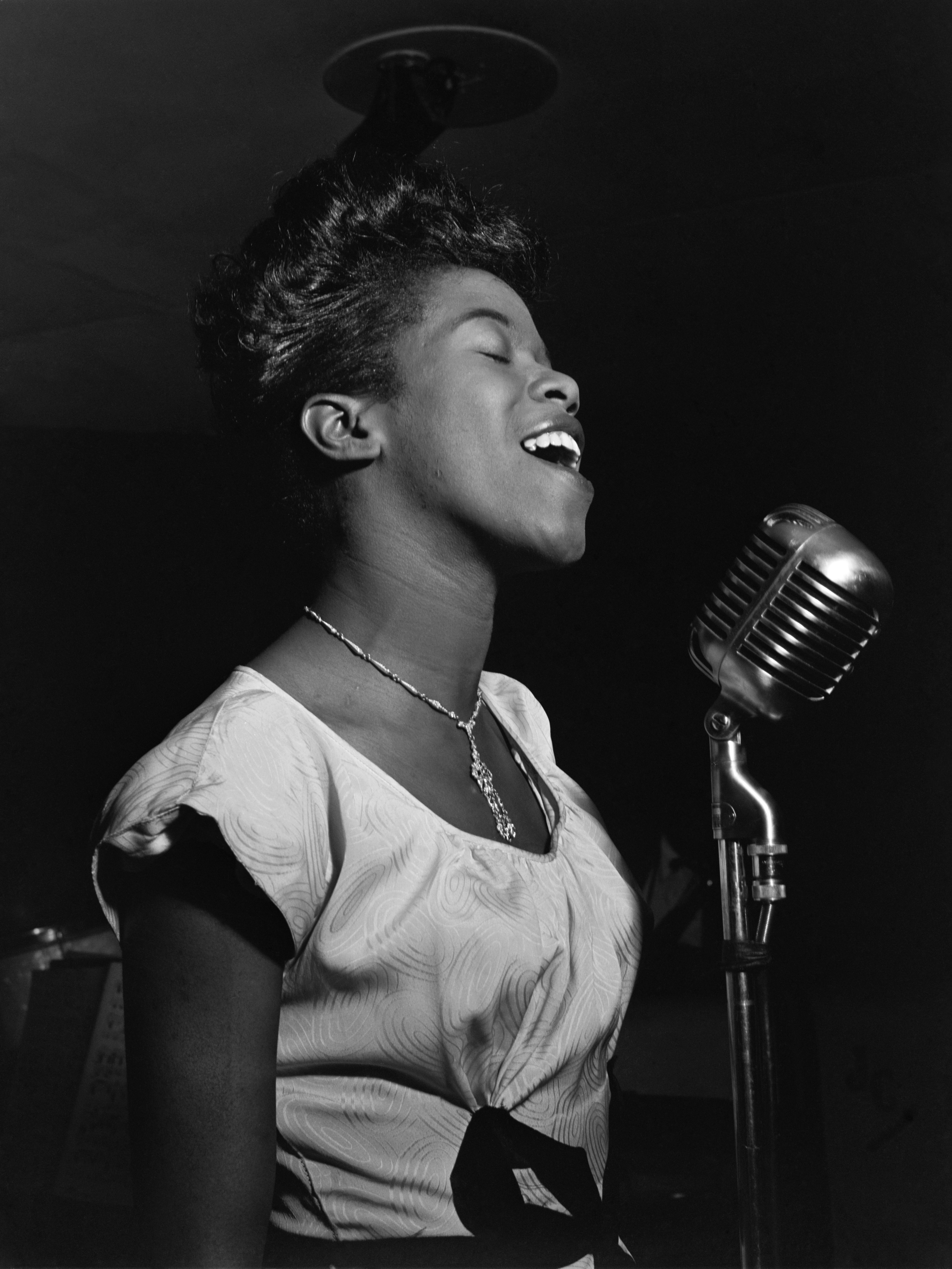

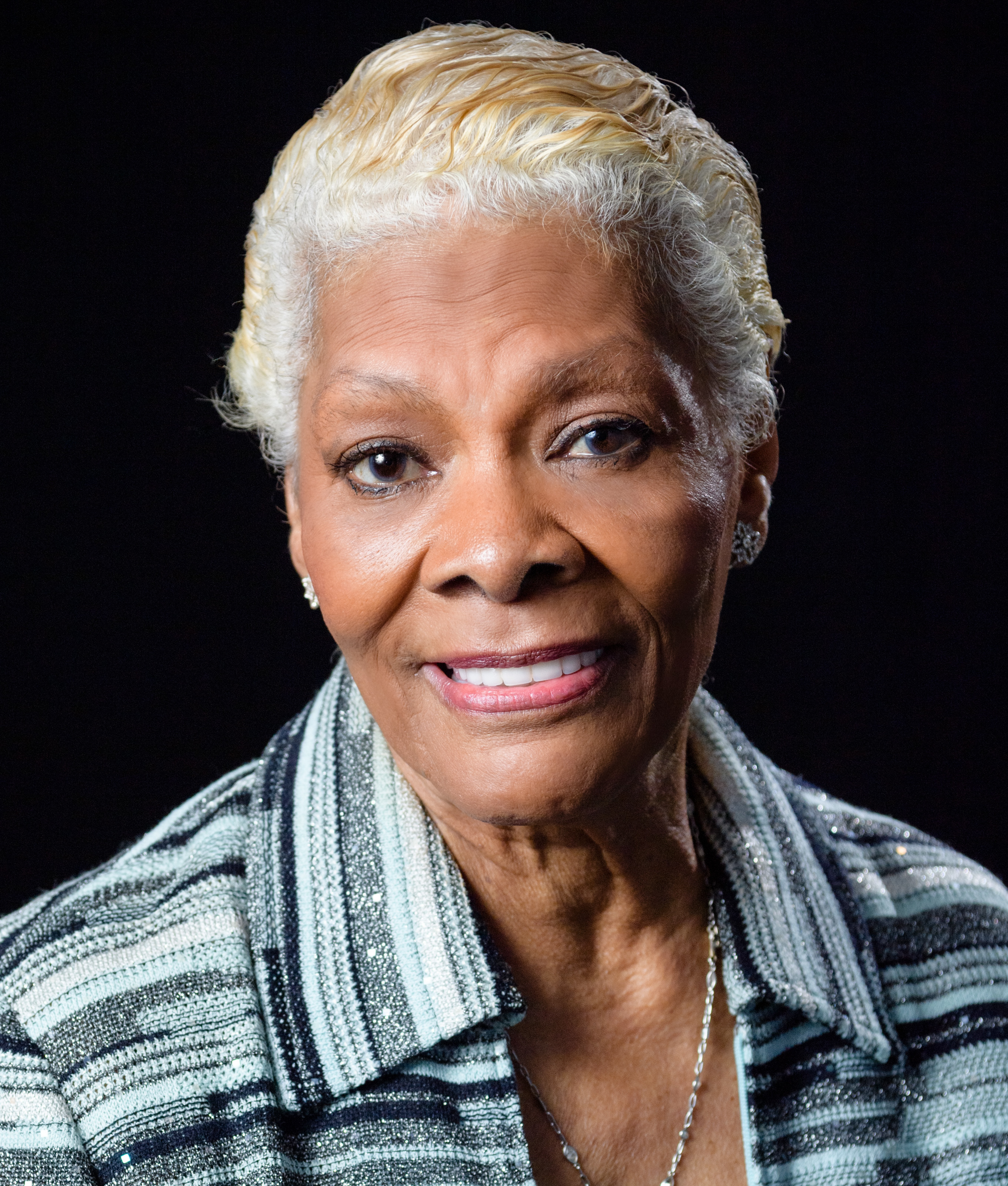 photo: montclair film · cc by 2.0 ↗
Dionne Warwick
In October 1961, a routine backing-vocal date for the Drifters' 'Mexican Divorce' became the hinge of Dionne Warwick's career: the song's co-writer, Burt Bacharach, heard the session singer and hired her to demo tunes he was writing with lyricist Hal David. Warwick grew up in her mother's gospel world, then formed the Gospelaires with her sister Dee Dee and her aunt Cissy Houston, singing backup around New York for acts like Ben E. King. Signed to Scepter Records in 1962 (a typo turned 'Warrick' into 'Warwick,' and it stuck), she spent the decade turning Bacharach and David's oddly-metered songs — 'Walk On By,' 'I Say a Little Prayer,' 'Do You Know the Way to San Jose' — into hits only she seemed able to sing. The gospel discipline was the foundation; the mentors who followed built the stage presence on top of it.
the sound in question
1964
Walk On ByDionne Warwick
walk the tributaries ↓
Lena Horne1940s-50s · Jazz / Traditional Pop / Vocal
For her 16th birthday, Warwick's parents took her to see Lena Horne's farewell run at the Waldorf Astoria — a gift, she later said, that outweighed every other she's received. She began sitting in the back of Manhattan rooms with a legal pad, tracking how the stars she watched moved, phrased, and talked to a crowd. Horne topped the list: 'I'd have to say that she was one of my major professors,' Warwick said, describing a 'majestic command' of the stage that shaped how she'd eventually run her own.
listen: upstream & heresource: PBS American Masters Digital Archive — "Dionne Warwick, Lena Horne ↗
1943
Stormy WeatherLena Horne
1964
Walk On ByDionne Warwick
listen forHorne's 'Stormy Weather' — the song that stayed with Warwick from the 1943 film — never over-sings the heartbreak in the lyric; the drama sits in the stillness, the way Horne holds a note without leaning on it. Warwick's 'Walk On By' does the same trick over Bacharach's descending strings: a torch-song ache delivered dead level, almost conversational, refusing to let the vocal collapse into the melodrama the lyric invites. Both make composure itself sound like grief.
Sarah Vaughan1950s–60s · Jazz / Vocal Jazz / Bebop
Sarah Vaughan wasn't just a name on Warwick's list of idols — in Warwick's words, she was 'Aunt Sassy,' a family friend since her mother and Vaughan shared a hairdresser. Warwick studied Vaughan professionally too, taking a legal pad to shows at the Waldorf to track her phrasing alongside Ella Fitzgerald and Carmen McRae. It's the same connection critics reached for decades later, when AllMusic singled out Vaughan's voice as one of the clear precedents behind Warwick's own.
listen: upstream & heresource: PBS American Masters Digital Archive — "Dionne Warwick, Lena Horne ↗
1957
Body and SoulSarah Vaughan
1963
Anyone Who Had a HeartDionne Warwick
listen forVaughan's 'Body and Soul' stretches the melody's wide leaps without ever straining for them — the control sounds effortless, like she has more voice in reserve than she's using. Warwick's 'Anyone Who Had a Heart' asks for the same thing on a stranger tune: Bacharach's melody keeps jumping keys and meters underneath her, and she rides it with the same unshowy precision, never oversinging a lyric built to sound conversational even at its most wounded.
Ella Fitzgerald1950s · Jazz / Vocal Jazz / Swing
Ella Fitzgerald was part of the soundtrack of Warwick's childhood — 'We listen to Lena Horne, Ella Fitzgerald, Billie Holiday,' Warwick recalled of the wide range of music always playing in her gospel-rooted home — and later became one of the performers she studied live, notebook in hand, at rooms like the Waldorf and the Copacabana. The connection is explicit enough that critic William Ruhlmann named her directly: 'Ella Fitzgerald and Sarah Vaughan are clear influences,' he wrote, framing Warwick's voice as adjacent to jazz without belonging fully inside it.
listen: upstream & heresource: PBS American Masters Digital Archive — "Dionne Warwick, Lena Horne ↗
1959
Someone to Watch Over MeElla Fitzgerald
1967
I Say a Little PrayerDionne Warwick
listen forFitzgerald's 'Someone to Watch Over Me' treats a deceptively tricky melody like plain speech — every syllable lands clean, with almost no vibrato blurring the words. Warwick's 'I Say a Little Prayer' needs that same clarity even more badly: Bacharach wrote the verse in an odd, halting meter that could easily turn mannered, and Warwick sings straight through it the way Fitzgerald sings through a standard, letting the lyric's shape do the work instead of the voice.