walking upstream…
The Supremes
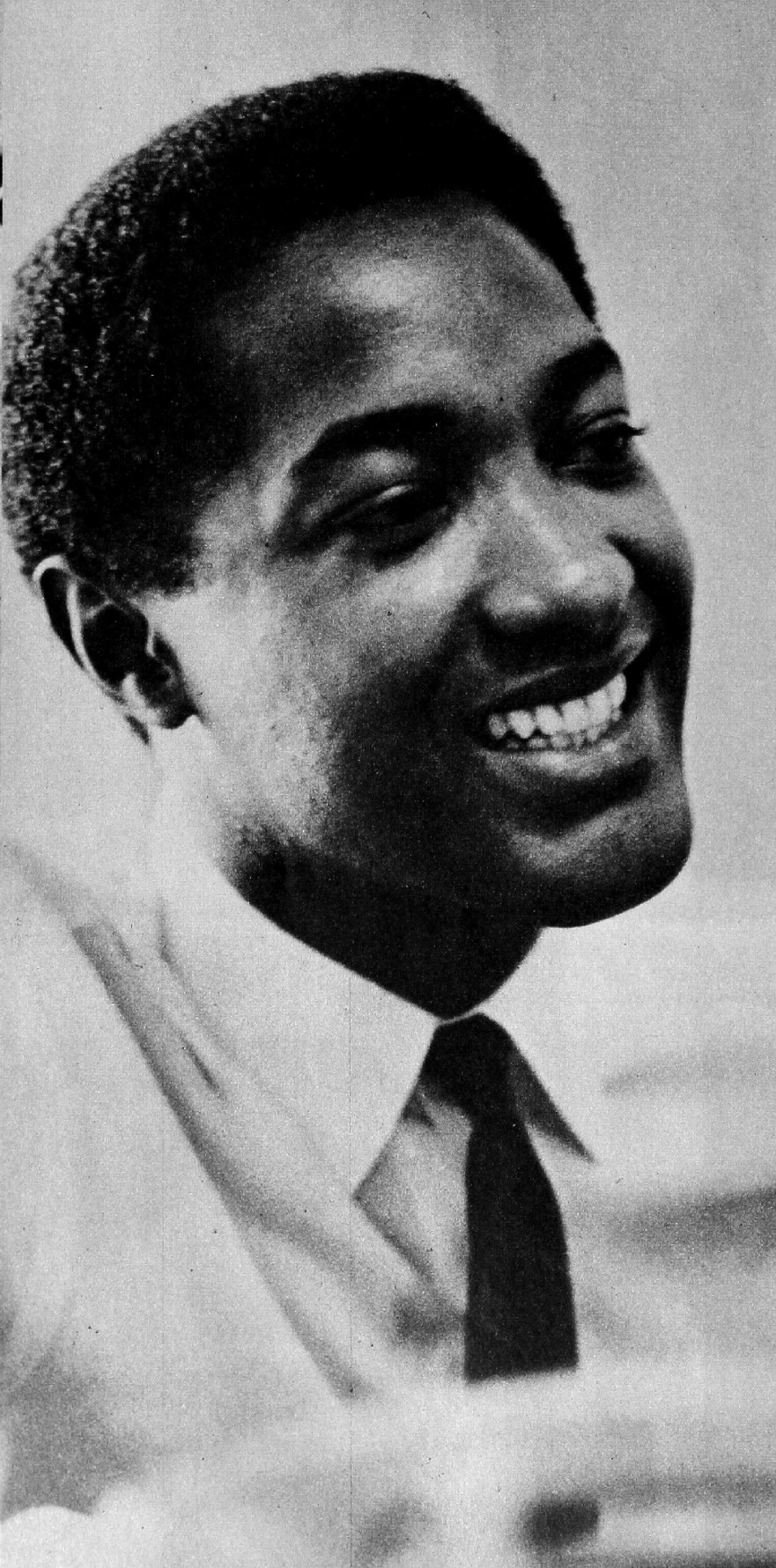

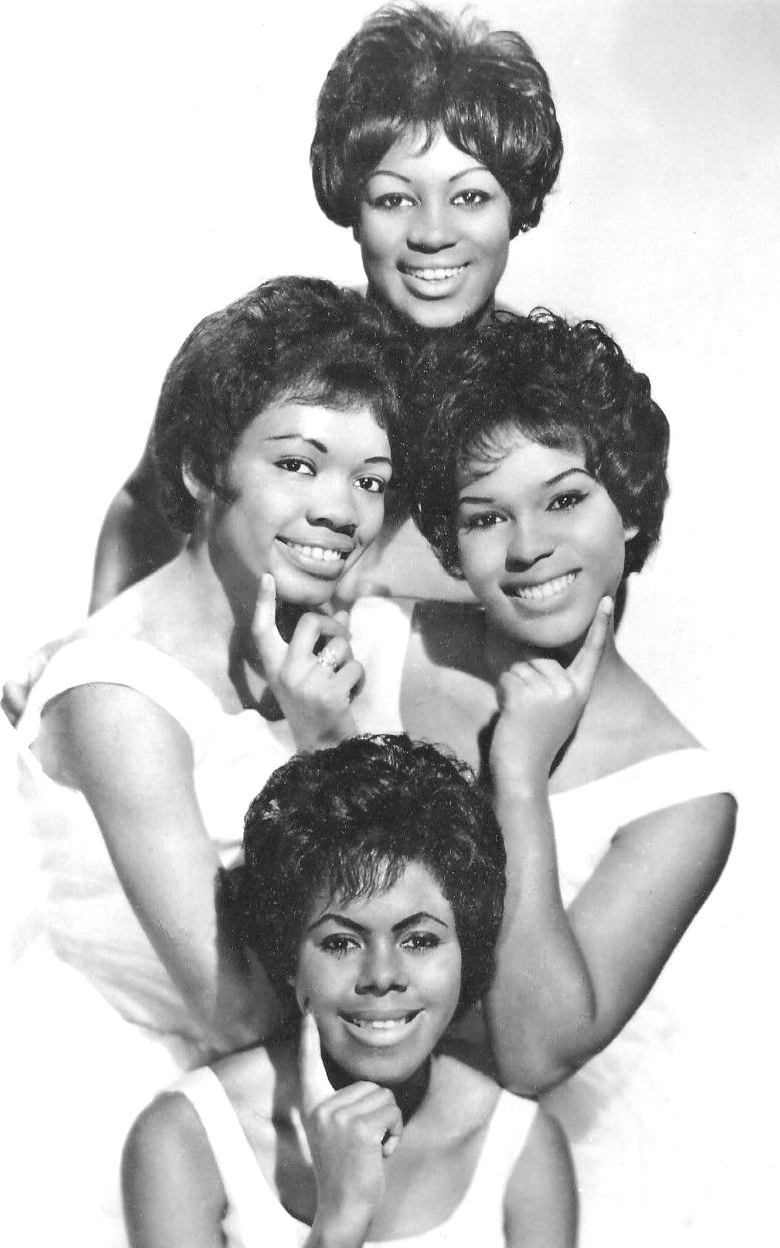
 photo: cbs television · public domain ↗
The Supremes
sourcesWikipedia — The Supremes · uDiscoverMusic — Paul Sexton, "'We Remember Sam Cooke' · The Vocal Group Hall of Fame — Jay Warner, "The Supremes" (Frankie Lymon and the Teenagers named as an influence) · Musician Guide — "Shirelles, The" (Mary Wilson's quote crediting the Shirelles for proving the girl-group format)
Formed in Detroit in 1959 as the Primettes, three teenagers from the Brewster-Douglass housing projects — Diana Ross, Mary Wilson and Florence Ballard — grew up singing along to whatever came over the radio years before Berry Gordy ever heard them. Signed to Motown as the Supremes, they became the label's most commercially dominant act, notching twelve number-one singles built on the airtight songwriting of Holland–Dozier–Holland. "You Keep Me Hangin' On," "Baby Love" and "Stop! In the Name of Love" turned pop, girl-group harmony and Motown's assembly-line production into some of the biggest records of the 1960s. Their polished, hook-driven originals gave other bands raw material to reinterpret entirely — never more dramatically than when a Long Island rock band slowed "Hangin' On" down into something completely different.
the sound in question
1966
You Keep Me Hangin' OnThe Supremes
walk the tributaries ↓
Sam Cooke1960s · Soul / R&B / Gospel
When Sam Cooke died suddenly in December 1964, the Supremes didn't take a break to mourn — they went into the studio and cut eleven of his songs, released weeks later as We Remember Sam Cooke, a full tribute LP rushed out while the loss was still raw. It wasn't just professional opportunism: Mary Wilson remembered meeting Cooke earlier in their career at Detroit's Flame Bar & Grill, where he simply "wished us luck and told us to keep up the good work." Teenage girls who'd once idolized him from the outside were, for one album, singing his whole catalog back at him.
listen: upstream & heresource: Medium — David Hinckley, "Mary Wilson ↗
1964
A Change Is Gonna ComeSam Cooke
1965
A Change Is Gonna ComeThe Supremes
listen forCooke's original holds back — his voice floats over strings and a distant horn line, restrained even as the lyric reaches for hope, more prayer than performance. The Supremes' version, cut for the tribute LP within weeks of his death, keeps the same aching melody and lyric but pushes it through Motown's own machine: a tighter horn chart, brighter backing harmonies stacked behind the lead, an arrangement built for radio rather than a hushed room. Same words, same tune, a different kind of polish underneath the grief.
Frankie Lymon and the Teenagers1950s · Doo-wop / Rock and roll
Long before Motown, the future Supremes were three Detroit teenagers who couldn't be Elvis Presley but could still dream of a hit record — and the group that made that dream feel reachable was Frankie Lymon and the Teenagers, fronted by a boy barely older than they were. Wilson later recalled that for one of her first public performances, she lip-synched to the Teenagers' "I'm Not a Juvenile Delinquent." The trio modeled their own earliest stage look on Lymon's collegiate, dressed-up presentation, borrowing the whole teenage-vocal-group blueprint before Motown ever gave them songs of their own.
listen: upstream & heresource: Medium — David Hinckley, "Mary Wilson ↗
1956
I'm Not a Juvenile DelinquentFrankie Lymon and the Teenagers
1964
Where Did Our Love GoThe Supremes
listen forLymon's tenor still hadn't broken when he cut "I'm Not a Juvenile Delinquent" — a boy pleading his case, phrase by phrase, over close harmony answering him line for line. "Where Did Our Love Go" keeps that same direct-address shape a decade later: Diana Ross's cool, conversational lead states its case just as plainly while Wilson and Ballard answer behind her, the same trick of parking a young, high voice right at the microphone and letting the group's harmony do the arguing underneath.
The Shirelles1960s · Girl group / R&B / Pop / Doo-wop
By the time the Primettes started singing in the Brewster projects, the Shirelles had already proven a girl group could top the charts: "Will You Love Me Tomorrow" made them the first Black female vocal group to reach No. 1. One profile names the Shirelles, with the Drifters and Frankie Lymon, as a direct inspiration for Ross, Wilson and Ballard, and Wilson herself later put it plainer, in a quote circulated by the group's own 1990s management: "[The Shirelles] definitely made a way for girl groups, because prior to that it was all guys. They showed that it could work."
listen: upstream & heresource: Michigan Rock and Roll Legends — Supremes (Diana Ross &) (the Shirelles and Frankie Lymon named as formative influences) ↗
1961
Baby It's YouThe Shirelles
1964
Come See About MeThe Supremes
listen for"Baby It's You" rides a slow triplet pulse and a plaintive organ figure under Shirley Owens's hurt, direct lead, the group's harmony offering soft, wordless comfort behind her. "Come See About Me" trades that hush for the propulsive, tambourine-driven stomp Motown built its whole sound around, but the vocal architecture is the same girl-group grammar the Shirelles had already proven commercial: one confiding lead voice out front, the other two catching every line right behind her.