Lonnie Donegan

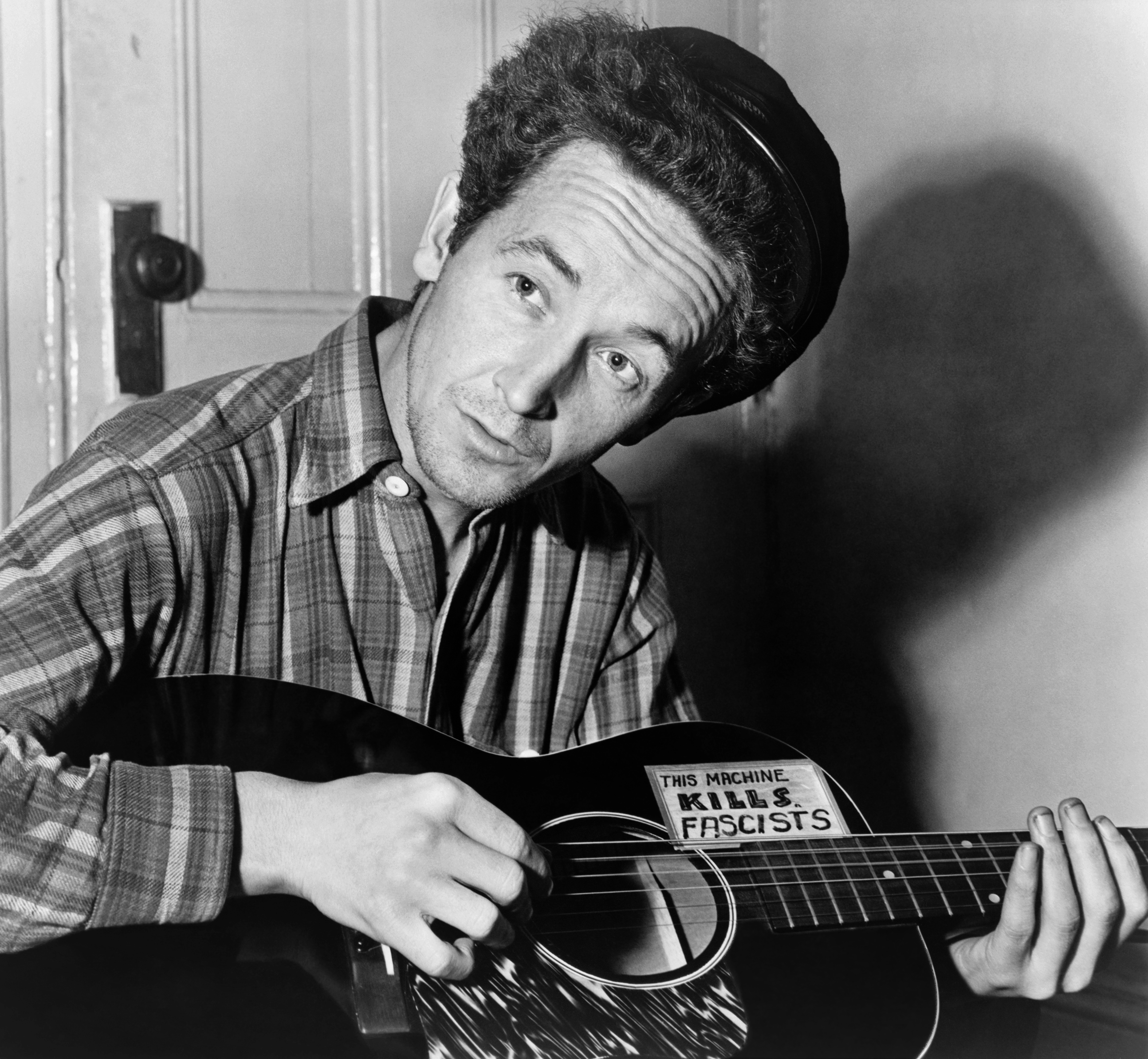

 photo: cashbox · public domain ↗
Lonnie Donegan turned a B-side blues cover into a cultural detonation: his 1956 'Rock Island Line,' cut with just guitar, tea-chest bass and washboard, launched Britain's skiffle craze and put an instrument into the hands of an entire generation of teenagers, John Lennon and Paul McCartney among them. Billed the "King of Skiffle," he built a run of UK chart-toppers out of American folk and blues songs — Lead Belly, Woody Guthrie, old prison hollers — sped up, simplified, and made playable by kids with three chords and a homemade bass. Without him, as George Harrison put it, there's a real argument there's no Beatles.
Donegan's breakout hit was a reworking of Lead Belly's own 'Rock Island Line' — the song, and Lead Belly's whole songbook, is the direct source of Donegan's skiffle style and repertoire. George Harrison later summed up the lineage: "If there was no Lead Belly, there would have been no Lonnie Donegan."
listen forPlay Lead Belly's own 1944 'Rock Island Line' next to Donegan's 1956 hit — the same rolling train rhythm and spoken-then-sung structure, sped up and stripped down to guitar, bass and washboard.
Donegan drew heavily on the American folk repertoire Guthrie helped canonize, adapting talking-blues and folk-song structures for a British skiffle audience.
listen forListen for the same plainspoken, story-song directness — Guthrie's rambling narrative style on 'This Land Is Your Land', Donegan's own folk-song adaptation 'Cumberland Gap'.
Donegan's repertoire drew directly on the Chicago and folk-blues songs popularized by Big Bill Broonzy, whose acoustic country-blues sound Donegan adapted into skiffle's faster, simpler format.
listen forCompare Broonzy's loping acoustic blues on 'Key to the Highway' to the same repertoire of blues and folk standards Donegan reworked for skiffle audiences on songs like 'Frankie and Johnny'.