walking upstream…
Joe Cocker

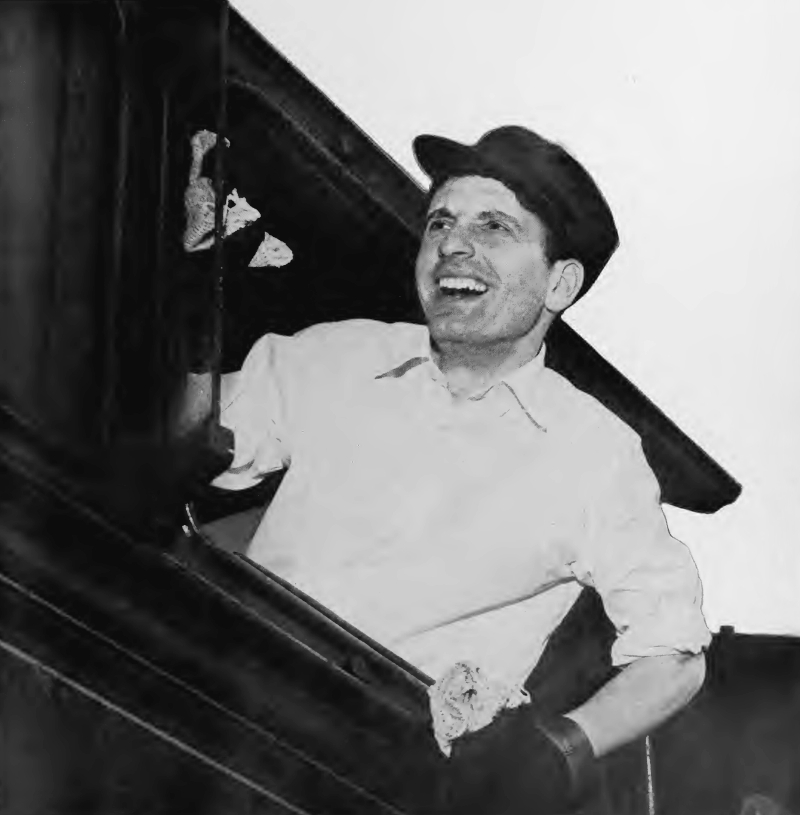

 photo: musicisentropy · cc by-sa 2.0 ↗
Joe Cocker
Joe Cocker turned a Sheffield gas-fitter's apprenticeship into one of rock's great voices — a throat-shredding, gospel-soaked howl that reinvented the Beatles' 'With a Little Help from My Friends' as a desperate, roof-raising plea and made him a Woodstock legend in 1969. He spent the next four decades wringing raw feeling out of other writers' songs, from Leon Russell's 'Delta Lady' to the Grammy-winning 'Up Where We Belong,' never losing the sense that he was singing for his life. His body seemed to fight the sound out of him — flailing arms, closed eyes, a voice permanently on the verge of collapse.
the sound in question
1974
You Are So BeautifulJoe Cocker
walk the tributaries ↓
Ray Charles1950s–60s · Soul / R&B / Gospel
Cocker has said he was "really copying" Ray Charles as a young singer and called him a god — the direct source of Cocker's gospel-blues phrasing and his habit of pushing a note until his voice breaks.
listen: upstream & here
1959
What'd I SayRay Charles
1969
Feelin' AlrightJoe Cocker
listen forListen to the call-and-response shout of Charles's 'What'd I Say' against the wrecked, straining delivery Cocker brings to 'Feelin' Alright' — the same gospel-pulpit urgency, with rougher edges.
Lonnie Donegan1950s · Skiffle / Folk / Blues
Cocker named Donegan, the "King of Skiffle," among his main influences growing up in Sheffield — the DIY skiffle scene that got a young Cocker singing onstage with his brother's group in the first place.
listen: upstream & here
1956
Rock Island LineLonnie Donegan
1968
MarjorineJoe Cocker
listen forDonegan's clattering guitar-and-washboard urgency on 'Rock Island Line' set a template Cocker chased even after he'd moved into blues-rock — hear the same driving, slightly ragged energy on his early single 'Marjorine'.
Howlin' Wolf1950s–60s · Chicago blues / Electric blues / Delta blues
Alongside Ray Charles, Cocker's early blues listening included Howlin' Wolf, whose raw, guttural holler fed the rougher, more feral edge in Cocker's own singing.
listen: upstream & here
1956
Smokestack LightningHowlin' Wolf
1969
Delta LadyJoe Cocker
listen forListen for the same throat-shredding growl — Wolf's menacing moan on 'Smokestack Lightning', Cocker letting his voice fray the same way on 'Delta Lady'.