walking upstream…
Lenny Tavárez
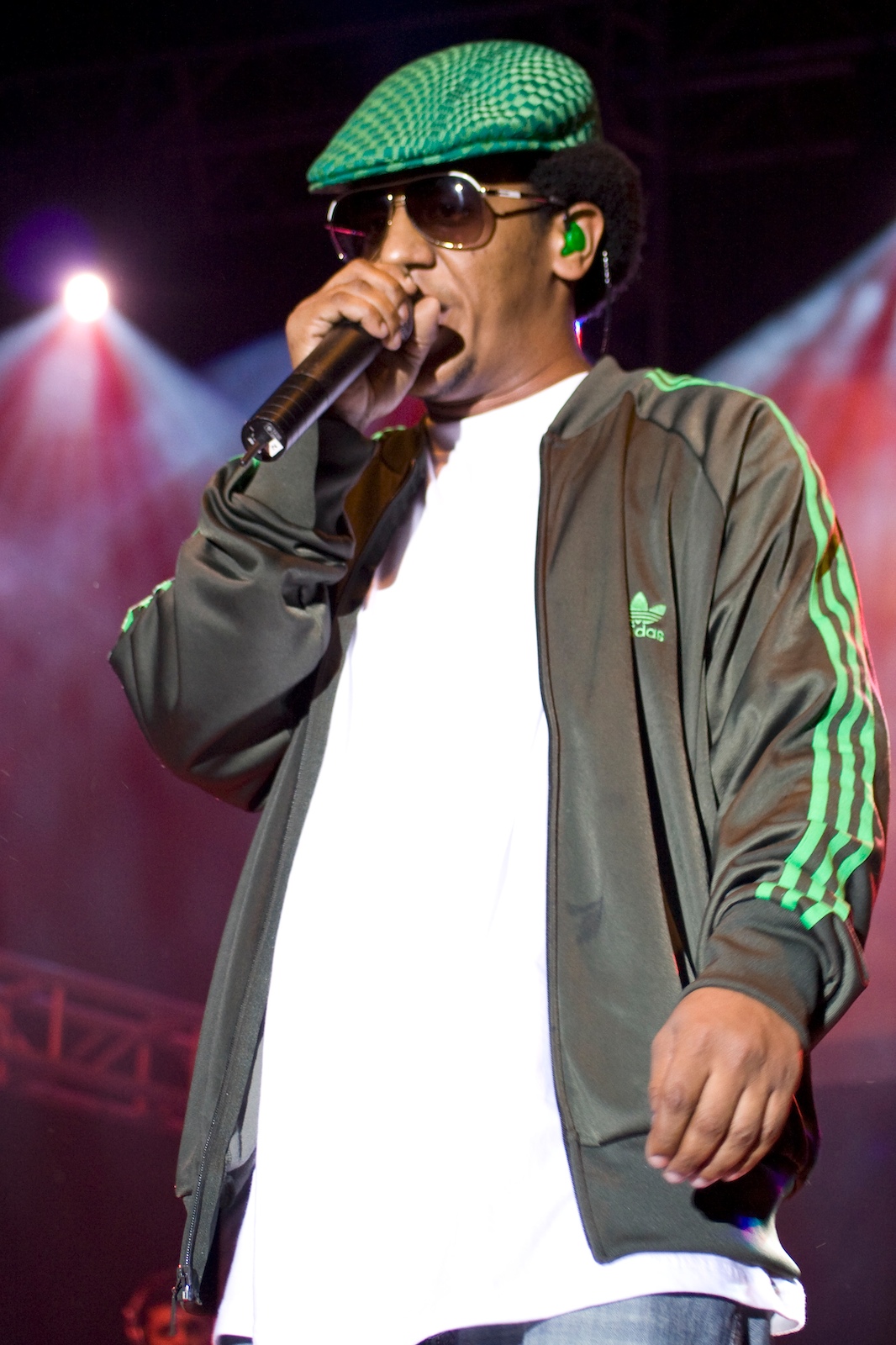

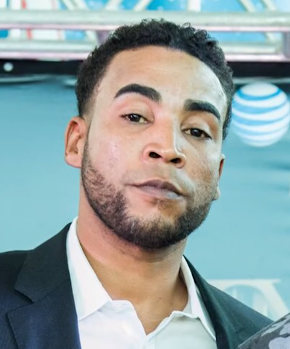
Lenny Tavárez
Julio Manuel González Tavárez traded a basketball scholarship for a microphone, breaking through in 2007 as one half of the reggaetón duo Dyland & Lenny before Luny Tunes and Sony Music took the pair global. Going solo in 2013, he built a signature lane fusing reggaetón and Latin trap with a smoother, R&B-inflected croon, scoring a genre-crossing hit with 2015's "Fantasías" and later a run of Latin trap posse cuts ("Caviar", "Secreto") that made him a fixture of Puerto Rico's new school. In the 2020s he has stretched further still, dipping into salsa with veteran producer Sergio George while keeping one foot in urbano collaborations.
the sound in question
2015
FantasíasLenny Tavárez
walk the tributaries ↓
Tego Calderón2000s · Reggaeton / Latin hip hop / Alternative reggaeton
Tavárez has placed his own arrival in the genre directly against Tego Calderón's era, telling Rolling Stone en Español that he "entró al género en un momento donde estaban censurando a Tego Calderón" — he came up while Tego, reggaetón's rawest, most socially blunt voice, was still being banned from Puerto Rican radio. That underground, unfiltered lineage sits underneath Tavárez's harder posse cuts.
listen: upstream & heresource: Rolling Stone en Español — Tavárez on entering reggaetón during Tego Calderón's censorship era, and his salsa turn with Sergio George ↗
2002
Pa' Que RetozenTego Calderón
2017
SecretoLenny Tavárez
listen for"Pa' Que Retozen" is stripped-down and confrontational, all thick dembow low end and street slang delivered flat and unbothered by radio politics; "Secreto" pulls from that same rougher, blunter register rather than Tavárez's more polished pop side, favoring grit over gloss.
Daddy Yankee2000s · Reggaeton / Latin pop
Tavárez came up in reggaetón's second generation, after Daddy Yankee had already dragged the genre out of San Juan's caserios and onto global radio. In a joint interview with Justin Quiles about the genre's stages, the two singled out Daddy Yankee (alongside Don Omar) as the artist who'd already "put in his grain of sand" carrying reggaetón to markets as far as China and Japan — the commercial template Tavárez's own singles inherited.
listen: upstream & heresource: Yahoo Vida y Estilo — joint interview with Justin Quiles naming Daddy Yankee and Don Omar as reggaetón's early global architects ↗
2004
GasolinaDaddy Yankee
2017
CaviarLenny Tavárez
listen forListen for the same blunt-force dembow snap and hook-first songwriting instinct: "Gasolina" is built entirely around a chantable, radio-ready refrain, and you can hear that same DNA in the shout-along chorus of "Caviar" — less about verses, more about the two or three lines a whole club can repeat back.
Don Omar2000s · Reggaeton / Latin hip hop / Urban pop
In that same joint interview, Don Omar was named next to Daddy Yankee as one of the pioneers who'd already carried reggaetón past Puerto Rico before Tavárez's generation arrived. Don Omar's catalog is also where reggaetón first let a genuinely melodic, R&B-leaning vocal sit on top of dembow — the exact combination Tavárez has built his solo identity around.
listen: upstream & heresource: Yahoo Vida y Estilo — joint interview with Justin Quiles naming Daddy Yankee and Don Omar as reggaetón's early global architects ↗
2003
Dale Don DaleDon Omar
2017
Toma BebéLenny Tavárez
listen for"Dale Don Dale" pairs a sung, almost pop-structured hook with the beat rather than just chanting over it; that same sung-through, moodier delivery is what carries "Toma Bebé", where Tavárez rides the dembow with a crooning cadence instead of a straight perreo bark.