walking upstream…
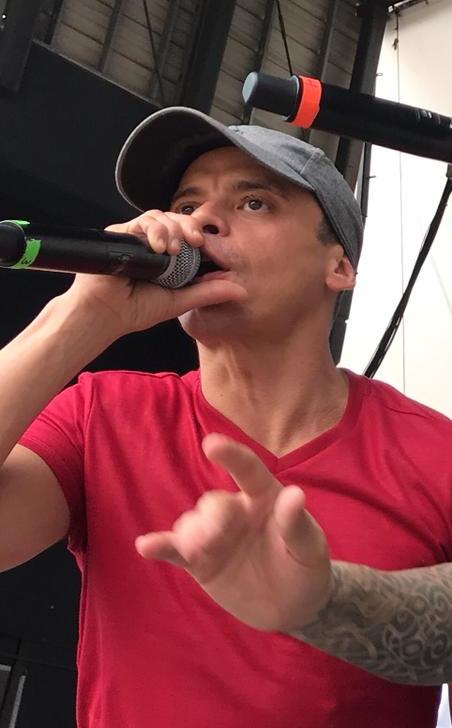
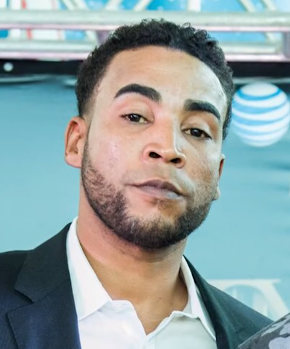
Don Omar


sourcesWikipedia — Don Omar (biography, early life, career, King of Reggaeton nickname) · Wikipedia — Danza Kuduro (chart performance and certifications cited in the bio) · Grammy.com — The History of Puerto Rico + Music (backs the El General/reggaeton-roots influence; WebFetch-verified) · AllMusic — Tributo Urbano a Héctor Lavoe (backs the 2007 Don Omar/Héctor Lavoe "El Cantante" tribute recording)
In a Bayamón, Puerto Rico congregation in the 1990s, teenage William Omar Landrón occasionally preached — then, after four years, walked away from the pulpit to sing instead. He had already been listening past the hymnal: his own biography records that "from an early age" he was drawn to the pioneering rapper Vico C and to Brewley MC. He worked his way in as a backup singer for the reggaeton duo Héctor & Tito before half of that pair, Héctor el Father, produced his 2003 solo debut, The Last Don, whose breakout single "Dale Don Dale" made him reggaeton's newest voice almost overnight. His 2006 album King of Kings cemented a nickname critics had already given him — the King of Reggaeton — and by 2010, "Danza Kuduro" carried that crown further than any single before it, topping charts from Argentina to Italy to Sweden.
the sound in question
2010
Danza KuduroDon Omar
walk the tributaries ↓
Vico C1990s · Hip-hop / Reggaeton / Christian hip-hop
Before reggaeton had the word for itself, there was Vico C — Brooklyn-born, raised in San Juan's Puerta de Tierra, discovered by the hip-hop producer DJ Negro in 1985 and nicknamed "El Filósofo del Rap" (the Philosopher of Rap) for lacing Spanish-language rap with moral argument. His 1992 hits "Saborealo" and "María" were still playing when a teenage Landrón was coming up; his own biography records that "from an early age, he showed interest in the music of Vico C and Brewley MC." The debt shows in structure more than sound — Don Omar kept the rapper's dense, argumentative flow and grafted it onto reggaeton's dembow pulse.
listen: upstream & heresource: Wikipedia — Vico C (biography backing the Vico C influence) ↗
1992
SaborealoVico C
2003
Dale Don DaleDon Omar
listen forVico C's "Saborealo" rides a spare early-'90s hip-hop beat built entirely around his rapid, clipped Spanish-language flow — every syllable landing on the beat like a drum hit. Don Omar's breakout "Dale Don Dale," a decade later, keeps that same percussive, syllable-forward delivery but drops it onto reggaeton's rolling dembow rhythm instead of a boom-bap loop — the rapper's cadence surviving the move from one genre's backbone to another's entirely.
Héctor Lavoe1970s · Salsa
A Spanish-language profile of his early influences credits the salsa of Héctor Lavoe and his bandleader Willie Colón with giving Don Omar's music its "ritmos energéticos" — energetic rhythms — alongside merengue and traditional Puerto Rican sound. The debt became literal in December 2007: for the tribute album Tributo Urbano a Héctor Lavoe, Don Omar took Lavoe's actual 1978 vocal, horn, and conga tracks from "El Cantante" — the Rubén Blades-penned confessional that made Lavoe salsa's tragic hero — and rebuilt the song around a reggaeton rhythm bed, singing alongside a voice that had died in 1993.
listen: upstream & heresource: Wikipedia — Héctor Lavoe (biography, El Cantante recording history) ↗
1978
El CantanteHéctor Lavoe
2007
El CantanteDon Omar
listen forLavoe's 1978 "El Cantante" is a slow-building salsa lament, his voice cracking on the confessional lines about a singer's private grief behind the stage persona. Don Omar's 2007 version keeps those same vocal takes nearly intact — the crack, the phrasing, the grief — but slides a dembow rhythm underneath the horns, so the two records are, audibly, the same performance wearing two different rhythm sections thirty years apart.
El General1990s · Reggae en español / Dancehall / Reggae
Reggaeton's chassis was built before Don Omar ever picked up a mic. In Panama during the 1990s, El General translated Jamaican dancehall into Spanish; the Recording Academy's own Grammy.com history of Puerto Rican music traces reggaeton's roots directly to "the Spanish reggae tracks that artists like El General recorded in Panama," crediting Don Omar as one of the vocalists who then carried the sound into "an international phenomenon." A Spanish-language profile of his youth adds that reggae specifically taught him to build "deep and relaxing sound atmospheres" — the slower groundwork dancehall's snap and hip-hop's flow were layered onto.
listen: upstream & heresource: Crea Tu Propia Música — Las influencias musicales que marcaron a Don Omar en su juventud (backs the Héctor Lavoe and El General/reggae influences; Spanish-language, WebFetch-verified) ↗
1990
Tu Pum PumEl General
2005
Reggaeton LatinoDon Omar
listen forEl General's 1990 "Tu Pum Pum" rides a bouncing, insistent dancehall riddim under sing-song Spanish toasting — the beat doing the work, the vocal chanting more than narrating. Two decades later, Don Omar's "Reggaeton Latino" keeps that same chanted, hook-forward vocal approach but tightens the riddim into reggaeton's signature dembow snap, the genre claiming and renaming the rhythm El General had translated from Kingston to Panama City first.