walking upstream…
Kris Kristofferson
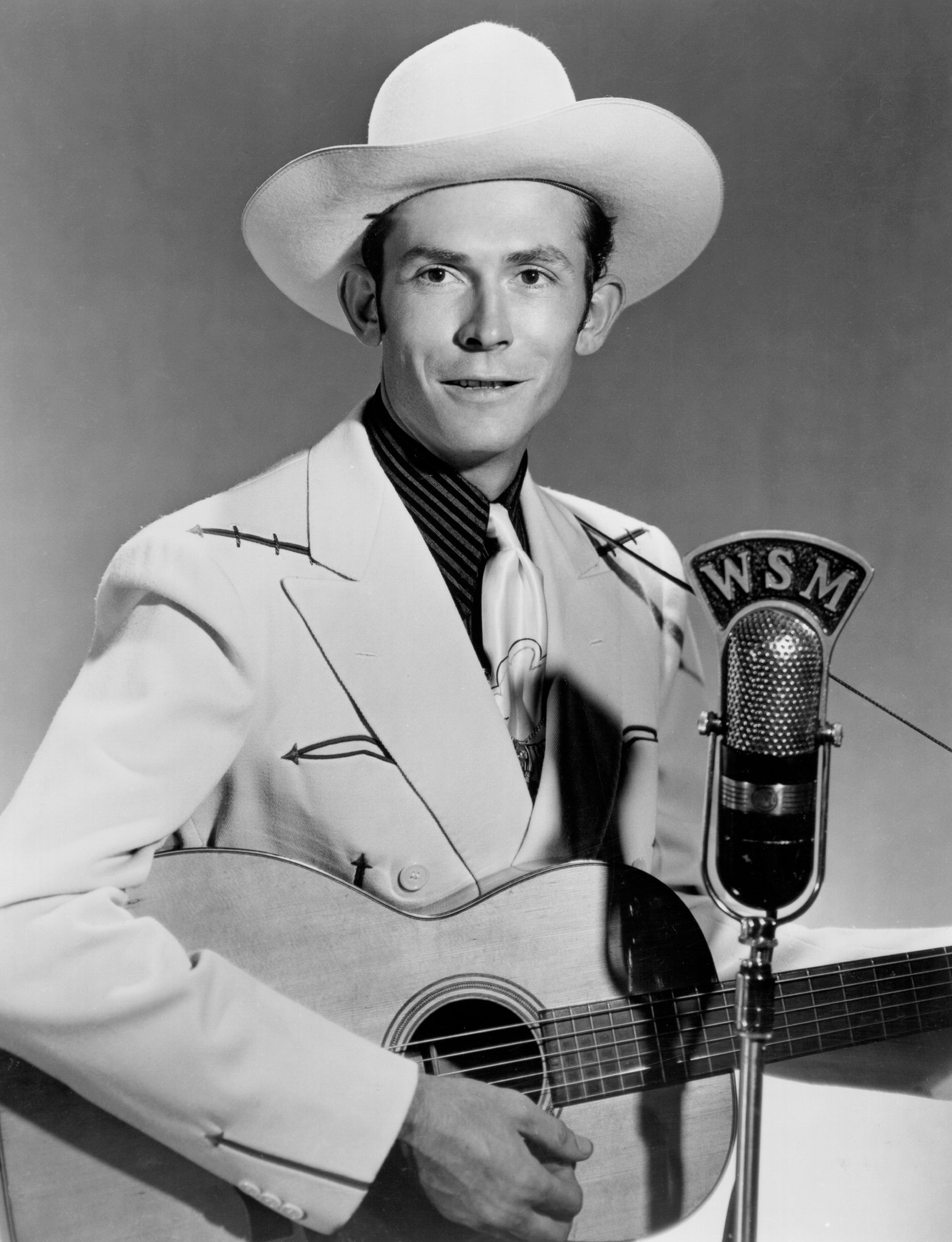

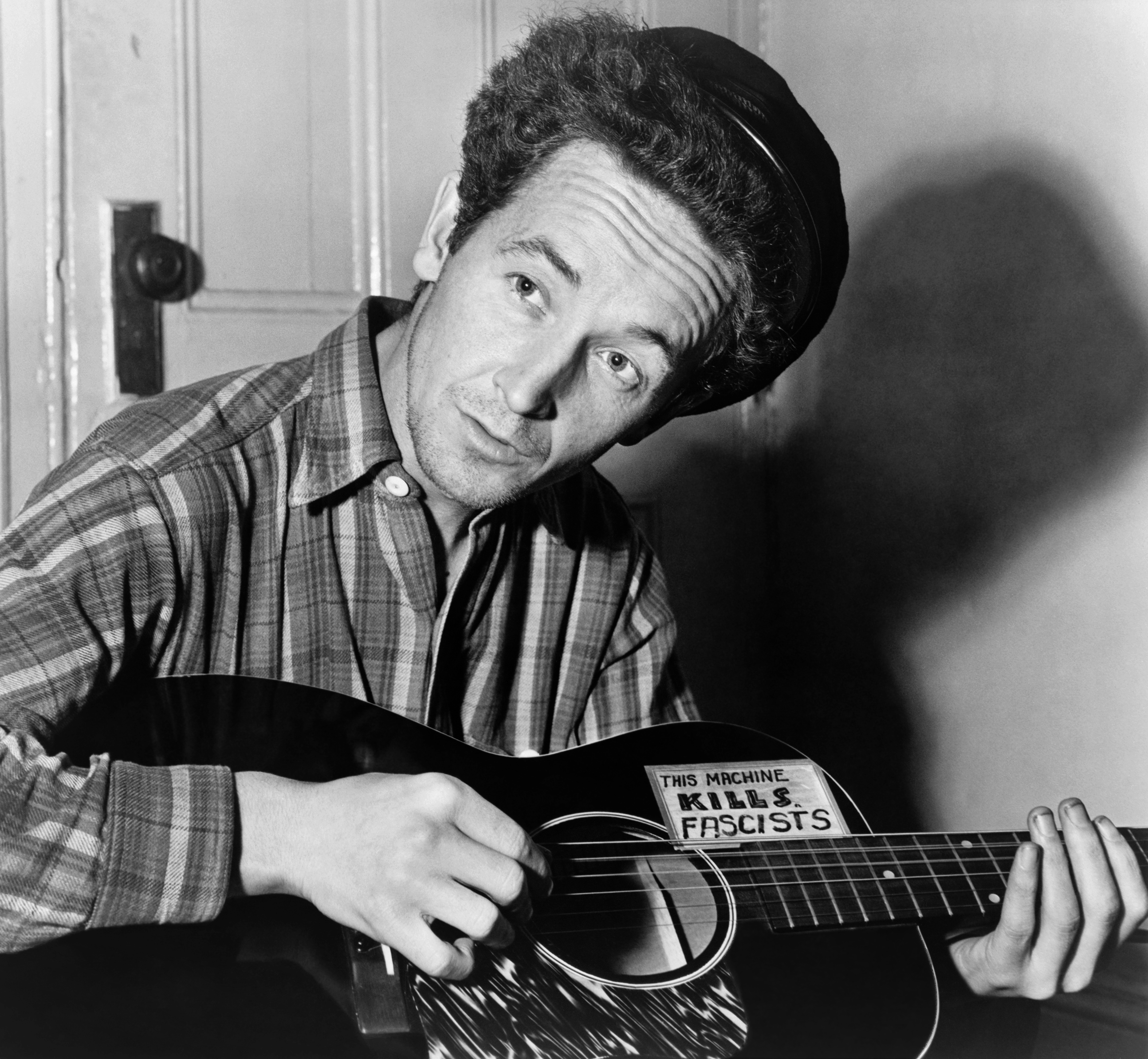
 photo: stefan brending (2eight) · cc by-sa 3.0 de ↗
Kris Kristofferson
sourcesWikipedia · Louder · Poetry Foundation · Sam Quinones · A.J. Scheiber · American Songwriter
Kris Kristofferson came to Nashville by way of Pomona College, a Rhodes Scholarship in English literature at Oxford, and an Army helicopter-pilot commission he walked away from in 1965 to write songs — a decision that got him disowned by his family. He supported himself as a janitor at Columbia's studios, close enough to watch Johnny Cash and Bob Dylan record, until Cash championed his songs and country radio caught up: 'Me and Bobby McGee,' 'Sunday Mornin' Comin' Down,' 'Help Me Make It Through the Night,' and 'For the Good Times' made him, in Dylan's words, the songwriter who split Nashville into 'pre-Kris and post-Kris.' He carried a poet's diction and a soldier-scholar's plain-spokenness into outlaw country, then built a long parallel career as a film actor.
the sound in question
1970
Me and Bobby McGeeKris Kristofferson
walk the tributaries ↓
Hank Williams1940s-50s · Country / Honky-tonk
Kristofferson named Williams among the handful of artists he 'still admire[d]' throughout his life, and traced his own ethic straight back to him: 'I thought it was my responsibility to tell the truth as I see it, just the same as Hank Williams did.' That meant refusing to prettify a song's subject — hangovers, failed marriages, loneliness — even when Nashville wanted something more radio-friendly, a stance that cost him early and defined him later.
listen: upstream & heresource: American Songwriter ↗
1949
I'm So Lonesome I Could CryHank Williams
1970
Sunday Mornin' Comin' DownKris Kristofferson
listen forPlay 'I'm So Lonesome I Could Cry' against 'Sunday Mornin' Comin' Down' — both strip a plain, unhurried melody down to a single unguarded confession, refusing any chorus that resolves the ache, and both trust a small physical detail (a whippoorwill, a Sunday-morning sidewalk) to carry the weight the lyric won't spell out.
Bob Dylan1960s · Folk / Folk rock / Rock
Kristofferson credited Dylan directly for the turn his own writing took, saying Dylan 'probably had as much to do with me going the direction I did as anyone' and that Dylan 'opened up all the new doors for a different kind of songwriting... all of a sudden you could write like a poet, and have strange imagery — personal, private imagery' inside a popular song. That permission shows up as a willingness to let a country lyric name real people and follow a genuinely idiosyncratic image rather than a stock rhyme.
listen: upstream & heresource: American Songwriter ↗
1965
Like a Rolling StoneBob Dylan
1971
The Pilgrim, Chapter 33Kris Kristofferson
listen forSet 'Like a Rolling Stone' beside 'The Pilgrim, Chapter 33' — both abandon a tidy verse-chorus story for a loose, cumulative character sketch built from sharp, particular images ('how does it feel,' 'wasted on the sidewalk in his jacket and his jeans'), addressed to someone specific rather than to a generic listener.
Woody Guthrie1940s · Folk / Americana / Talking blues
Kristofferson is reported to have called Guthrie one of the three greatest American songwriters, alongside Hank Williams and Merle Haggard, and the debt surfaces most concretely in the two writers' shared source material: Guthrie's 'Tom Joad' set John Steinbeck's 'The Grapes of Wrath' to a folk ballad in 1940, and four decades later Kristofferson did the same thing in miniature, building 'Here Comes That Rainbow Again' around the novel's lunch-counter scene of a waitress quietly feeding two Dust Bowl children.
listen: upstream & here
1940
Tom Joad, Pt. 1Woody Guthrie
1981
Here Comes That Rainbow AgainKris Kristofferson
listen forCompare 'Tom Joad' with 'Here Comes That Rainbow Again' — both take a scene straight from Steinbeck's novel and narrate it plainly, without editorializing, letting ordinary people's small, unglamorous decency (or its absence) carry the song's whole moral weight.