walking upstream…
Funkadelic


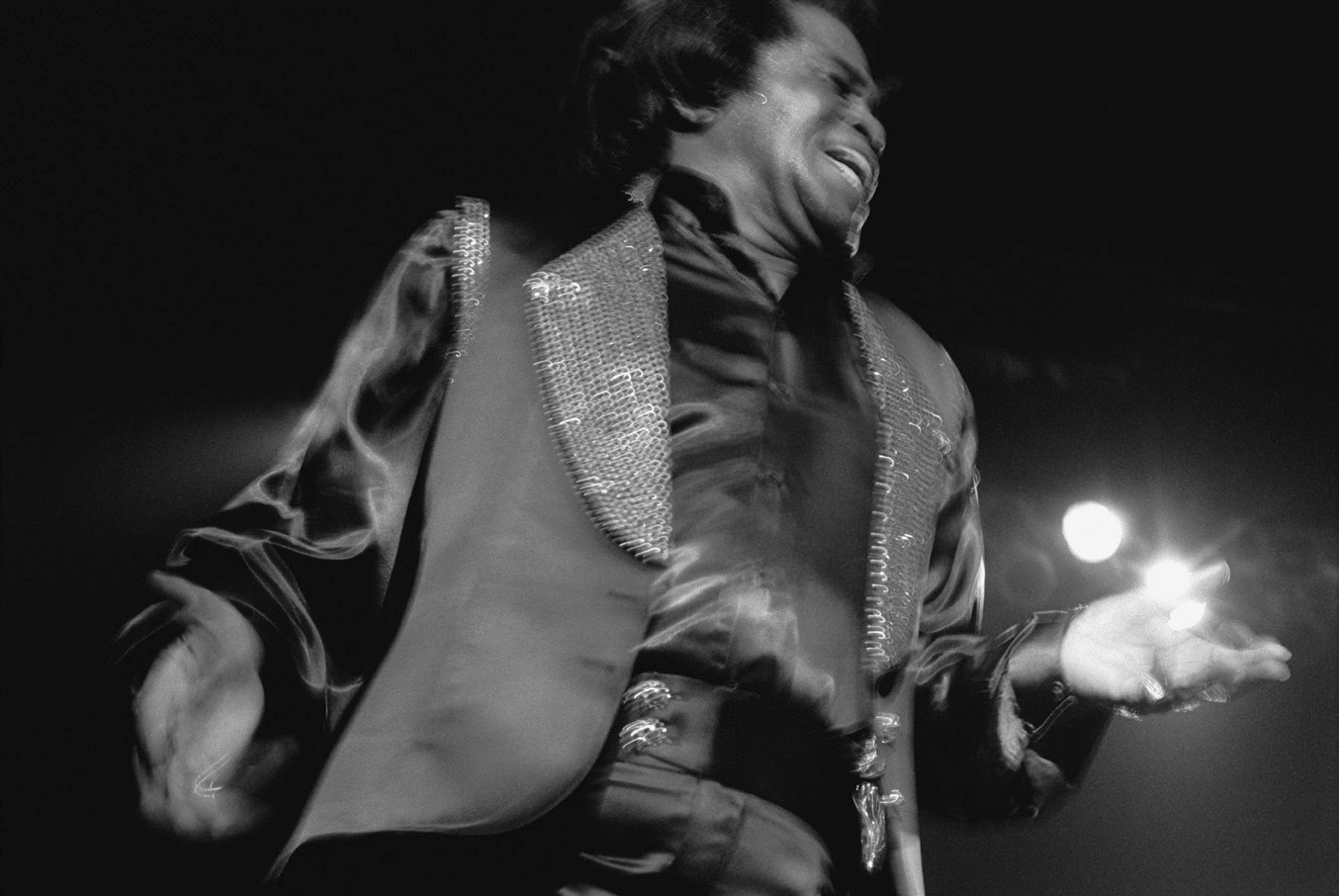
 photo: funkmonk · public domain ↗
Funkadelic
In 1967, a doo-wop group called the Parliaments opened three shows for the ear-splitting volume of Vanilla Fudge and the Box Tops at a college in upstate New York, borrowing Vanilla Fudge's own gear because they didn't own any. Bandleader George Clinton, a Plainfield, New Jersey barber turned songwriter, hated the sound and couldn't stop thinking about it. "So I went out and bought Jimi Hendrix's Are You Experienced?, Cream's album, a Richie Havens record and Sly's Whole New Thing," he said later. "I gave them to Eddie and Billy in the band. They were just 15, 16." Those teenagers, guitarist Eddie Hazel and bassist Billy Nelson, turned the records into Funkadelic's blueprint: the Parliaments' backing band reborn as diapered, dashiki-clad psychedelic-funk, cutting Maggot Brain and One Nation Under a Groove across a decade of lawsuits and reinvention.
the sound in question
1978
One Nation Under a GrooveFunkadelic
walk the tributaries ↓
Jimi Hendrix1960s · Rock / Blues rock / Psychedelic rock
Clinton didn't hedge when Rolling Stone asked if Jimi Hendrix mattered to Funkadelic. "He was it," he said in 1990. "He took noise to church. With that feedback, you could almost write the notes of that feeling down... Once I saw what he was doing, I knew what to do with it on our thing." He'd already handed Are You Experienced? to a teenage Eddie Hazel in 1967, before Funkadelic existed as a name. By 1971 that lesson had a face: Clinton told Hazel to solo like his mother had just died, and Hazel obliged for ten minutes straight.
listen: upstream & here
1968
Voodoo Chile (Slight Return)Jimi Hendrix
1971
Maggot BrainFunkadelic
listen forOn "Voodoo Chile (Slight Return)," Hendrix rides a single wah-pedal phrase until it becomes a held scream of controlled feedback, refusing to resolve into a tidy solo. Hazel does the same thing at ten times the length on "Maggot Brain": one guitar, drenched in echo, bending single notes past the point of comfort instead of running scales. Neither track offers a chorus to hide behind — the guitar carries the entire performance, and in both, distortion reads less like aggression than like grief.
Sly and the Family Stone1960s-70s · Funk / Soul / Psychedelic rock / R&B
Sly and the Family Stone was the other record Clinton bought that night in 1967 — Whole New Thing, handed straight to guitarist Eddie Hazel alongside the Hendrix LP. The debt held. Discussing Maggot Brain specifically, decades later, Clinton told Thrasher: "We were really influenced by Sly and the Family Stone back then." The two men grew close enough over the years that the Los Angeles Times later called Sly Stone Clinton's "idol," a friendship built on trading song ideas as much as vices. Family Stone's blend of gospel harmony and street-funk gave Clinton a working model for combining polish with grit.
listen: upstream & heresource: Thrasher Magazine — George Clinton Interview (Clinton on Sly and the Family Stone's influence on Maggot Brain, and Hendrix's use of feedback) ↗
1970
Thank You (Falettinme Be Mice Elf Agin)Sly and the Family Stone
1971
You and Your Folks, Me and My FolksFunkadelic
listen for"You and Your Folks, Me and My Folks" opens sounding like a Sly and the Family Stone anthem — bright group harmonies, a driving backbeat — before bassist Billy Nelson detunes his lines just enough to sour the effect, a critic later observed. Set it against "Thank You (Falettinme Be Mice Elf Agin)," where Larry Graham's percussive slap bass drives a clean, elastic bounce. Nelson's bass on the Funkadelic track answers that clarity with something bent and off-key on purpose, turning celebration into something warier.
James Brown1960s–70s · Funk / Soul / Rhythm and blues
Clinton didn't just borrow James Brown's rhythmic vocabulary — he eventually hired the men who built it. Describing Funkadelic's outrageous early stage act, he told Rolling Stone in 1990: "We were James Brown on acid, the Temptations on acid, the Stooges — that's how people described us." The line became literal in 1972, when bassist Bootsy Collins and guitarist Catfish Collins, fresh off a wage dispute with Brown's band the JBs, joined Clinton's outfit, followed in 1975 by JB horn men Fred Wesley and Maceo Parker. "Where James preached uniformity, punctuality and discipline," Parker said afterward, "George didn't have any of that."
listen: upstream & heresource: Rolling Stone — George Clinton ↗
1970
Super BadJames Brown
1972
Loose BootyFunkadelic
listen forJames Brown's "Super Bad" rides a single static chord, its groove built entirely from the JBs' tight, syncopated interplay between horns and rhythm section. On Funkadelic's "Loose Booty," recorded just after Bootsy and Catfish Collins left Brown's band, that same one-chord discipline goes slack and rubbery: Bootsy's bassline is lazy and loose where Brown's was drilled tight, while Catfish's chicken-scratch guitar still lands every beat even as the arrangement threatens to fall apart around it.