walking upstream…
Foreigner


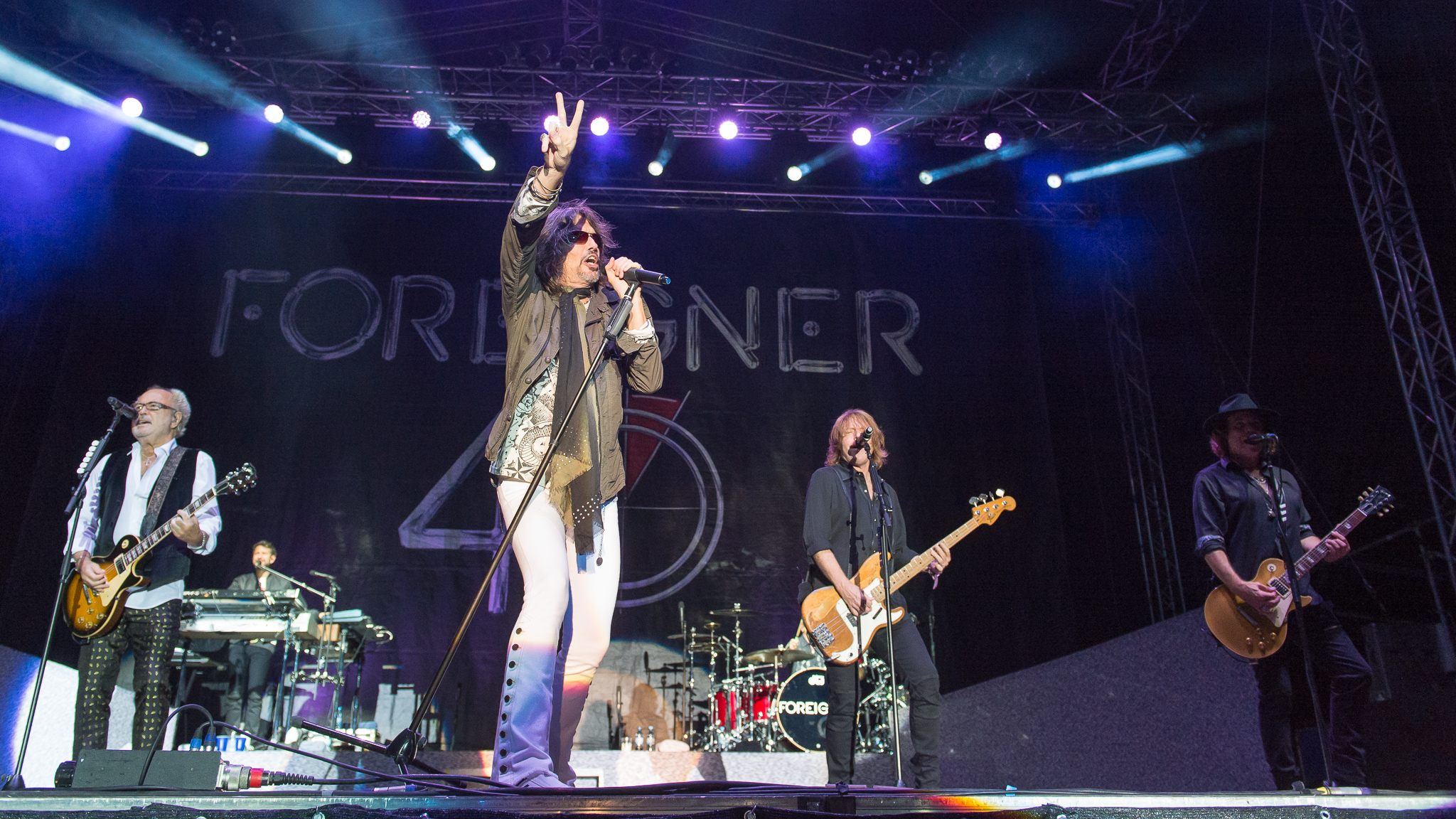
Foreigner coalesced in New York in 1976 when English guitarist Mick Jones — fresh off stints backing French star Johnny Hallyday, then Spooky Tooth and the Leslie West Band — paired his R&B-and-blues-rooted riffing with the muscle of Black Sheep belter Lou Gramm and the textural instincts of King Crimson co-founder Ian McDonald. The deliberately transatlantic lineup (three Brits, three Americans, hence the name) built a catalog of hook-heavy arena rock that could turn on a dime from the boogie of 'Hot Blooded' to the choir-backed balladry of 'I Want to Know What Love Is,' making them a defining act of album-oriented rock radio through the late '70s and '80s.
the sound in question
1977
Cold as IceForeigner
walk the tributaries ↓
The Beatles1960s · Rock / Pop / Rock and roll
Jones was a Beatles obsessive before he was a professional musician — as a teenage sideman on the French circuit he watched them from the wings in Paris in 1964 and, by his own account, was moved to tears. That fandom for songcraft-first rock built around a killer hook and layered vocal harmonies carried straight into how he wrote and produced Foreigner, right down to insisting on big, instantly recognizable vocal choruses on the band's records.
listen: upstream & heresource: Gary James interview with Mick Jones (Classic Bands) — names Buddy Holly, Marvin Gaye, and The Beatles as formative influences, in his own words ↗
1964
A Hard Day's NightThe Beatles
1984
I Want to Know What Love IsForeigner
listen forThe stacked, call-and-response backing-vocal hook on 'I Want to Know What Love Is' — that gospel-choir lift over a simple chord bed is the same trick British Invasion songwriting taught a generation of UK musicians, Jones included.
Buddy Holly1950s · Rock and roll / Rockabilly / Pop
Asked directly what first hooked him on music, Jones has named Buddy Holly — seeing him on British TV, he said, left him and his contemporaries 'struck dumb.' That early exposure to Holly's clean, hook-first rock and roll songwriting is baked into Foreigner's knack for stripped-down, instantly singable choruses.
listen: upstream & heresource: Gary James interview with Mick Jones (Classic Bands) — names Buddy Holly, Marvin Gaye, and The Beatles as formative influences, in his own words ↗
1957
That'll Be the DayBuddy Holly
1977
Feels Like the First TimeForeigner
listen forThe economical, chugging rhythm-guitar figure and unfussy verse-into-chorus lift of 'Feels Like the First Time' — no baroque arrangement, just a riff and a hook, the same trick Holly ran on 'That'll Be the Day.'
Marvin Gaye1970s · Soul / R&B
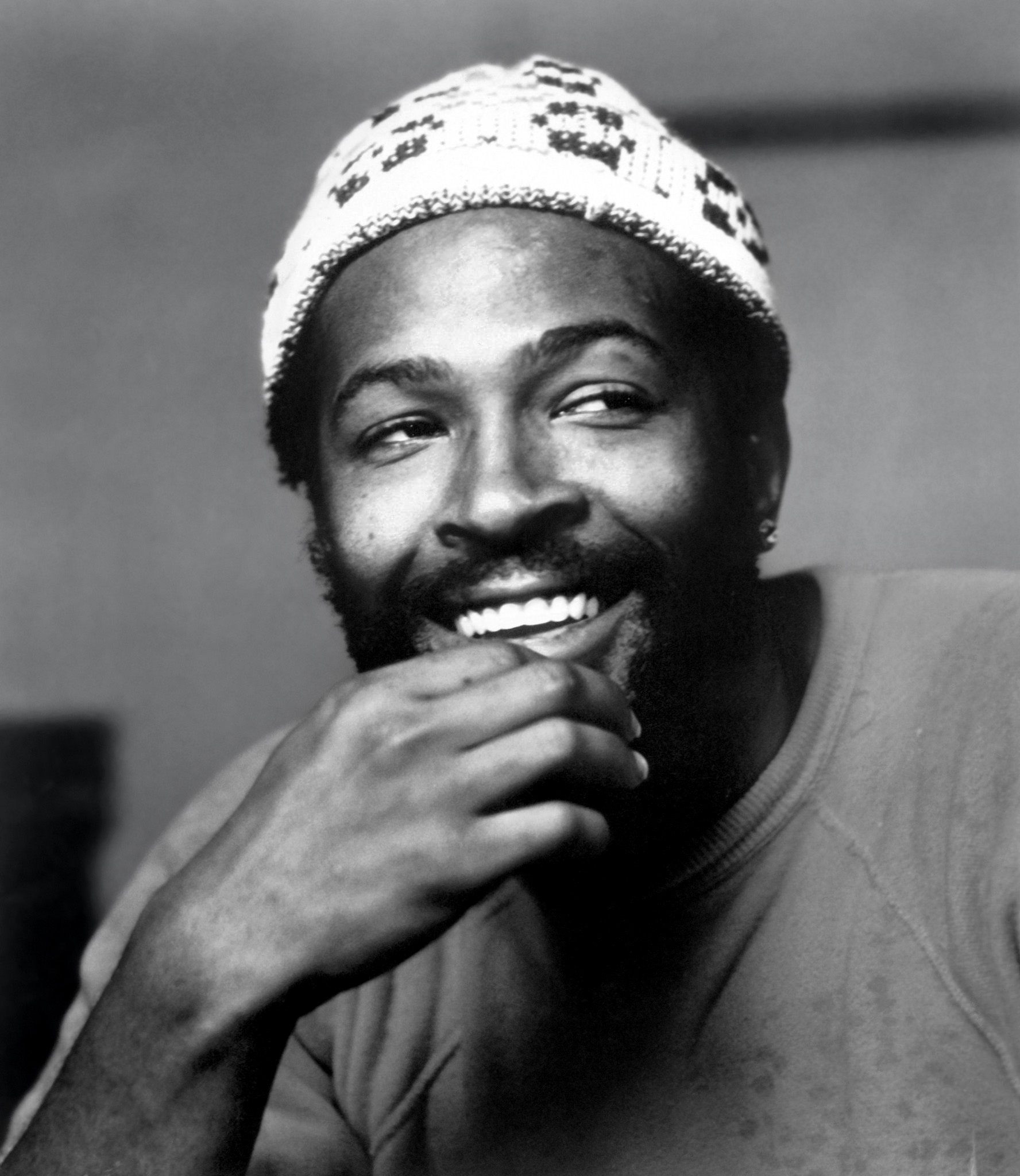
Jones has singled out Marvin Gaye as 'a huge influence... from a writing perspective' — not a genre match (Foreigner never chased a Motown groove) but a lesson in emotional directness and melodic patience that Jones carried into the band's ballads, in counterpoint to the harder rock songs he built with Lou Gramm.
listen: upstream & heresource: Gary James interview with Mick Jones (Classic Bands) — names Buddy Holly, Marvin Gaye, and The Beatles as formative influences, in his own words ↗
1971
What's Going OnMarvin Gaye
1981
Waiting for a Girl Like YouForeigner
listen forThe unhurried, soul-inflected phrasing and slow-build melodic patience of 'Waiting for a Girl Like You' — a world away from the band's arena stompers, and closer in spirit to the songwriting craft Jones credits to Gaye.