walking upstream…
DJ Marlboro

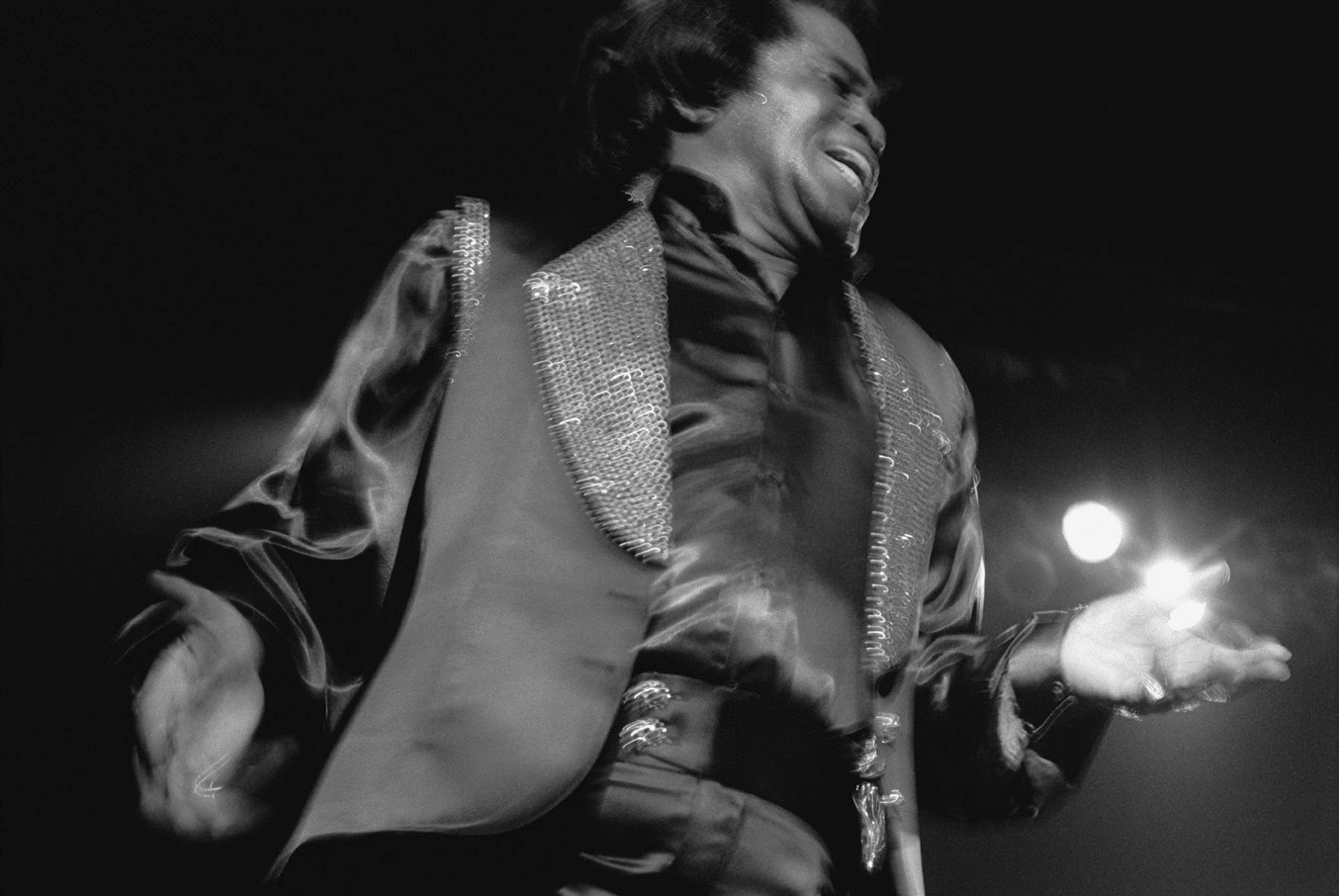
 photo: olimor · cc by-sa 3.0 ↗
DJ Marlboro
sourcesThe New Yorker — "Brazilian Wax" by Sasha Frere-Jones (critical genealogy from Kraftwerk/Bambaataa through Miami bass to Marlboro; 2005 Diplo/Marlboro DJ set) · KondZilla — "Álbum 'Funk Brasil' do DJ Marlboro completa 30 anos" (documents the 2 Live Crew cover and the Polygram studio-engineer episode) · Blender — "Coke. Guns. Booty. Beats." (Marlboro on Miami bass's influence) · Jornal do Brasil — "O rei do pancadão" (biographical facts · Wikipedia
Fernando Luís Mattos da Matta grew up in the Rio de Janeiro neighborhood locals nicknamed "terra de Marlboro" — hence the name he took DJing hi-fi sound-system parties from 1979 on, an obsessive American-soul radio listener since the 1970s. In 1989 he produced Funk Brasil Vol. 1 for the label Polygram: Portuguese-language covers of Miami hip-hop over a drum-machine batidão so foreign to the label's own studio engineers that they told him, on record, they were washing their hands of it. The album is now treated as funk carioca's founding document. Da Matta spent the decades after touring the sound he'd translated, eventually sharing a DJ booth with the American producer Diplo once a track from his own studio turned up sampled inside an M.I.A. single — the critic Sasha Frere-Jones, watching, called him "the godfather of the Brazilian funk scene." He nationalized an import into something unmistakably Rio's own.
the sound in question
1989
Melô da Mulher FeiaDJ Marlboro
walk the tributaries ↓
2 Live Crew1980s · Miami bass / Hip hop
Marlboro is unambiguous about which American wave he adapted: "So this Funk/Miami Bass that came over in 1988/89, 2 Live Crew and all of that, started to become nationalised with rapping in Portuguese," he told the outlet Hyperdub in 2003 — Portuguese vocals and melody borrowed from the Brazilian genres pagode and forró layered onto the same electronic bass. His 1989 album Funk Brasil Vol. 1 made the debt literal: its breakout single, sung by MC Abdullah, was a straight Portuguese-language cover of a 2 Live Crew track — the record that first got Rio's bailes chanting in their own language over an imported beat.
listen: upstream & heresource: Hyperdub — "An Interview with DJ Marlboro" (Marlboro's own account of funk carioca's origins, naming 2 Live Crew and the Black-Rio/James Brown era) ↗
1988
Do Wah Diddy2 Live Crew
1989
Melô da Mulher FeiaDJ Marlboro
listen forPlay 2 Live Crew's "Do Wah Diddy" against "Melô da Mulher Feia" and the arrangement barely moves — the same booming, sustained 808 kick, the same call-and-response chant hook — only the language and the vocalist change, MC Abdullah's Portuguese sliding into the exact rhythmic pocket 2 Live Crew's original left open. It's less a reinterpretation than a re-lyricing: the Miami bass chassis Marlboro elsewhere said "sounded really good and started to influence us" arrives here nearly untouched, just relocated to a Rio baile.
Afrika Bambaataa1980s · Electro / Hip hop / Funk
Marlboro has recounted, to the site Alataj, the night Afrika Bambaataa played a hip-hop show in Brazil years before funk carioca had broken nationally and, mid-set, dropped a Rio funk track — enough to send outraged purists backstage to complain. Bambaataa's reply, as Marlboro remembers it, was that they'd forgotten hip-hop's own fundamentals: funk carioca was its truest descendant anywhere in the world. The lineage runs further back than that one night — Frere-Jones traced it in The New Yorker as running straight through Bambaataa's own electro landmark: "when 'Planet Rock' and Miami bass records reached Rio, in the mid-nineteen-eighties, they spawned yet another genre, 'funk.'"
listen: upstream & heresource: Alataj — "Alataj entrevista DJ Marlboro" (Marlboro's account of Afrika Bambaataa defending funk carioca) ↗
1982
Planet RockAfrika Bambaataa
1989
Rap das AranhasDJ Marlboro
listen for"Planet Rock"'s electro chassis — the metronomic 808 pulse borrowed from the German group Kraftwerk, the chanted, robotic hook — is the architecture Miami bass carried into Rio, and it's still audible underneath "Rap das Aranhas," another Funk Brasil Vol. 1 track from the same year, built from the same drum machine and call-and-response shout even though its own lyric covers a song by the Brazilian rocker Raul Seixas, not Bambaataa. What travels here is the beat's ancestry, not its words.
James Brown1960s–70s · Funk / Soul / Rhythm and blues
Asked point blank where funk comes from, Marlboro didn't start with Miami — he started decades earlier: "Over 30 years ago there was the Black-Rio movement in Rio de Janeiro in the era of soul, where we played James Brown, Parliament, the Blackbyrds," he told Hyperdub, describing the sound-system bailes that predated any drum machine by a generation. It's the same reference his own studio engineers reached for, wrongly, twenty years later: hearing Marlboro's new electronic batidão in 1989, they assumed he meant the American funk of James Brown, and couldn't place the sound at all.
listen: upstream & heresource: Hyperdub — "An Interview with DJ Marlboro" (Marlboro's own account of funk carioca's origins, naming 2 Live Crew and the Black-Rio/James Brown era) ↗
1970
Sex MachineJames Brown
listen forNo specific Marlboro production sampling James Brown has been confirmed by title — Frere-Jones only reported watching him spin "two tracks that sample James Brown" at a 2005 New York show, unnamed. Play "Sex Machine" instead for the root: the one-chord vamp, the accent slammed hard on beat one, horns answering the groove rather than leading it. That stripped-to-the-pocket logic is what Rio's Black-Rio sound systems danced to for a decade before any 808 arrived — the DNA funk carioca's own drum programming never fully shed.