walking upstream…
Dion

sourcesNPR/Fresh Air — "Doo-Wop Singer Dion Pays Homage To His Musical Influences" (Hank Williams phrasing) · Forbes — "Dion DiMucci On Discovering The Blues" (Robert Johnson/Hammond acetate, Jimmy Reed at Columbia) · Best Classic Bands — "Dion's 'Blues With Friends' Album" ("The Wanderer is a 12-bar blues" quote) · Best Classic Bands — "An Interview with Dion · Perfect Sound Forever — "The Wanderer Settles Down With the Blues" (rewritten Robert Johnson "Crossroads" verse) · AllMusic — Bronx in Blue album entry (confirms Honky Tonk Blues / Crossroads / Baby What You Want Me to Do tracklist) · Pop History Dig — "Dion DiMucci" profile (Newark radio, Robert Johnson portrait) · Wikipedia
Dion DiMucci grew up on 183rd Street in the Bronx, where an uncle's $8 guitar and a country radio show broadcast out of Newark got to him years before he ever sang doo-wop on a street corner. He fronted Dion and the Belmonts through 1960, then went solo with "Runaround Sue" and "The Wanderer," riding a blues shuffle he'd absorbed as a kid. Heroin ran alongside the hits for a decade, and so did his friendship with doo-wop peer Frankie Lymon, whose 1968 overdose was one of the shocks that pushed Dion toward the sobriety he found that April. At Columbia in the early '60s, producer John Hammond played him an acetate of Robert Johnson that hit as hard as Hank Williams had at eleven — a debt he paid back outright on his 2006 covers album Bronx in Blue. The doo-wop, it turns out, was never really the roots.
the sound in question
1961
Runaround SueDion
walk the tributaries ↓
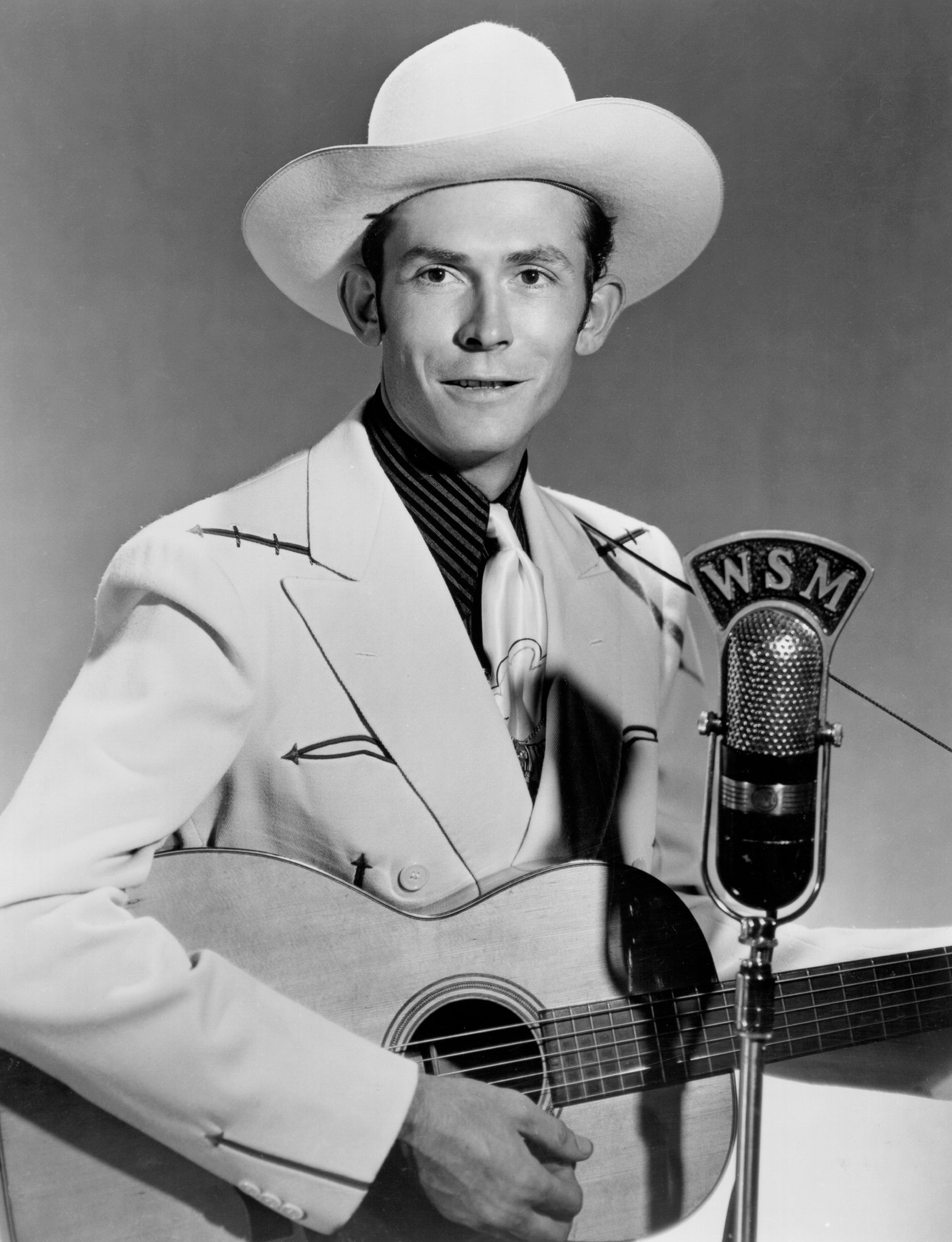
Hank Williams1940s-50s · Country / Honky-tonk
Dion was around eleven when he first caught Hank Williams singing "Honky Tonk Blues" on a country show beamed out of Newark, New Jersey, and within a few years he knew, depending which telling you catch, forty to seventy of Williams's songs by heart. Pressed decades later to name one formative artist, he didn't equivocate: "If I had to boil it down to one guy, yeah," he said — the country singer outranking even the doo-wop group he'd later front on Bronx street corners. "Hank Williams was the cause of me getting in the business," he told journalist John Cody in 2006, and it's the credit he still gives first.
listen: upstream & heresource: John Cody — "At 66, hit-maker Dion gets the blues in the Bronx" (Hank Williams, Jimmy Reed, and Robert Johnson/Hammond origins) ↗
1952
Honky Tonk BluesHank Williams
2006
Honky Tonk BluesDion
listen forPlay Williams's original "Honky Tonk Blues" against the version Dion cut for his 2006 blues covers album Bronx in Blue, and listen for the vocal habit Dion says he caught as a kid: Williams, he told NPR, would "actually rip the ends of the words off... like he'd bite into the word and rip it off." Dion's phrasing does the same thing over a stripped, guitar-only arrangement fifty-four years later — no doo-wop harmony to hide behind, just that clipped, committed diction, note for note the trick he named.
Jimmy Reed1950s · Blues / Chicago blues
Reed is the other name Dion reaches for whenever Hank Williams comes up. "Him and Jimmy Reed," he told John Cody, "was the cause of me getting in the business." He'd already cut Reed's "Baby What You Want Me to Do" for his early label, Laurie Records, before Columbia, and later toured with Reed himself. Explaining the bones of his signature hit, Dion doesn't reach for doo-wop at all: "'The Wanderer' is a 12-bar blues," he said announcing his 2020 album Blues With Friends, "and I was covering Willie Dixon and Jimmy Reed in my early years at Columbia — much to the dismay of my corporate masters."
listen: upstream & heresource: John Cody — "At 66, hit-maker Dion gets the blues in the Bronx" (Hank Williams, Jimmy Reed, and Robert Johnson/Hammond origins) ↗
1959
Baby What You Want Me To DoJimmy Reed
1961
The WandererDion
listen forPut Reed's loping "Baby What You Want Me to Do" — the unhurried, hiccupping shuffle he built half his catalog on — next to "The Wanderer" and count the walk underneath: the same 12-bar blues turnaround, dressed up with a sax hook and a street-corner chorus. Dion has said he used to lift saxophone riffs straight off Reed at Harlem's Apollo Theater and drop them behind whatever he was singing; that borrowed groove is the engine under his biggest hit, doo-wop harmonies notwithstanding.
Robert Johnson1930s · Delta blues / Blues
In the early '60s, Columbia producer John Hammond — who had already signed Bob Dylan and would later sign Aretha Franklin — sat Dion down with a pre-release acetate of Robert Johnson's King of the Delta Blues Singers. "I felt like I hit the jackpot here," Dion told Forbes in 2020. "I just grabbed a handful of albums, went home and couldn't come out. It was like the first time I heard Hank Williams." He later painted a portrait of Johnson himself and kept it on his wall for decades.
listen: upstream & heresource: John Cody — "At 66, hit-maker Dion gets the blues in the Bronx" (Hank Williams, Jimmy Reed, and Robert Johnson/Hammond origins) ↗
1936
Cross Road BluesRobert Johnson
2006
CrossroadsDion
listen forDion didn't just cover "Crossroads" on his 2006 blues album Bronx in Blue — he rewrote it. Where Johnson's original pleads "I went down to the crossroads, I fell down on my knees," Dion turned the prayer explicitly to Christ, a change he made, he explained, "because of the first line." Listen for that new verse landing over the same spare, one-guitar arrangement Johnson used in 1936 — a debt direct enough that Dion felt he had to answer it, not just borrow it.