walking upstream…
Bobby Brown
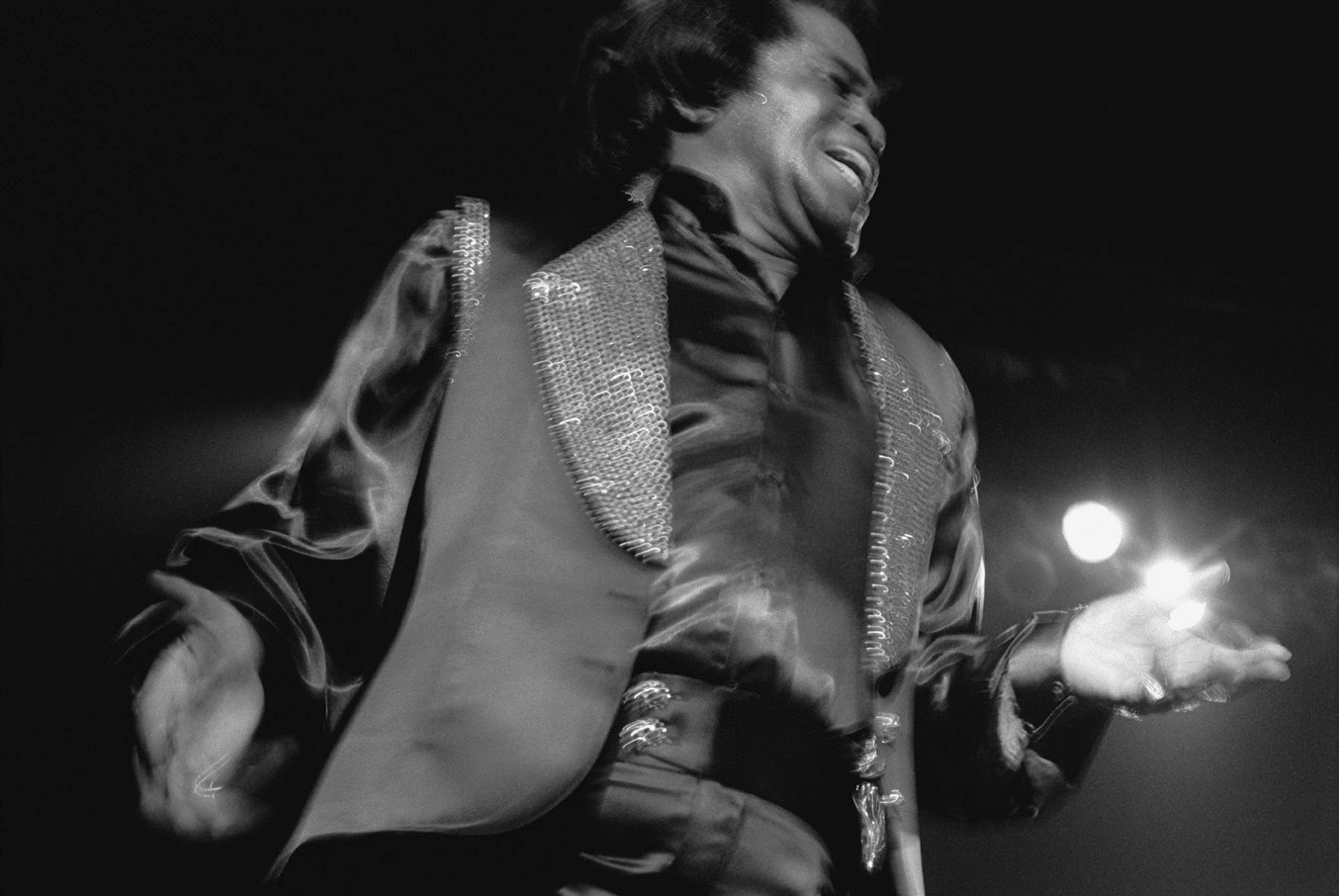

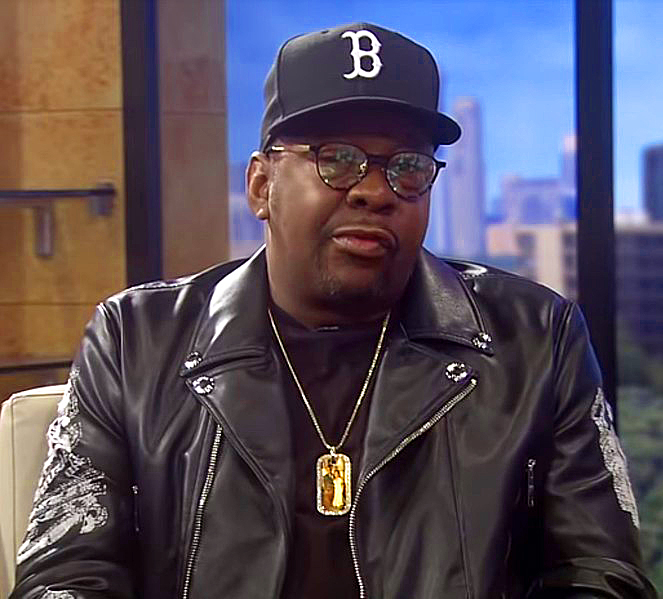 photo: sister circle live · cc by 3.0 ↗
Bobby Brown
sourcesRolling Stone — Bobby Brown's Uneasy Passage (critic traces Brown's stage persona to James Brown) · Encyclopedia.com — Bobby Brown, Contemporary Musicians (Sugar Shack stage-debut quote, relayed from People) · Wikipedia — The Masked Singer (American TV series) season 5 (confirms Brown, as "Crab," performed Rick James's "Give It to Me Baby")
Bobby Brown grew up one floor above his grandmother in Boston's Orchard Park housing projects, and her massive record collection was, in his own words, a "sanctuary" he escaped into as a kid — Duke Ellington first, then the Chi-Lites and Blue Magic, then funk once he was old enough to chase the harder stuff. He was a founding teenage member of the vocal group New Edition before striking out solo in 1986; by 1988, Don't Be Cruel had made him one of the faces of new jack swing, the drum-machine-and-harmony sound built to carry that funk straight onto Top 40 radio. The hits sold on his voice, but the body underneath them — the stops, spins and struts he first worked out for an audience of one, his grandmother, in that first-floor apartment — is where the records still show their roots.
the sound in question
1988
My PrerogativeBobby Brown
walk the tributaries ↓
James Brown1960s–70s · Funk / Soul / Rhythm and blues
Brown's first time on any stage was age three, set down by his mother in the crowd at a James Brown concert at Boston's Sugar Shack; his impromptu two-minute boogie stopped the room. "I just strutted around to the music," he told People. "Ever since, I liked being onstage." The funk he found afterward on his grandmother's turntable finished the job: James Brown, Bootsy Collins and Parliament, he wrote in his memoir, made him "lose my mind" and start "working out the routines" he'd later build a career on — the same stop-and-holler showmanship a Rolling Stone critic later said Brown had revived wholesale from James Brown's own stage.
listen: upstream & heresource: ABC News — Book excerpt ↗
1970
Sex MachineJames Brown
1988
My PrerogativeBobby Brown
listen forJames Brown's "Sex Machine" rides one vamp for minutes at a stretch, the band snapping to a dead stop on his shout of "get on up" before falling back in. "My Prerogative" borrows that architecture: grunted ad-libs, a stuttering catchphrase hook, and a groove that keeps threatening to cut out from under Brown's voice. Listen for the moment the track drops to almost nothing before the chorus slams back — the same stop-time trick James Brown built an entire stage act around two decades earlier.
Rick James1980s · Funk / R&B / Soul / Post-disco
Rick James got one line in Brown's memoir, tucked inside the list of funk he raided as a kid in his grandmother's apartment: "I had no idea how influential Rick James would later become in my life." He never spelled out what that influence became — the closest documented payoff came decades later, in a crab costume on the singing-competition show The Masked Singer, when Brown performed James's "Give It to Me Baby" (the show, not Brown, picked the song). A thinner but more audible version of the debt shows earlier, in the stuttering, sexually blunt funk groove James pioneered and Brown leaned on for his own club records.
listen: upstream & heresource: ABC News — Book excerpt ↗
1981
Super FreakRick James
1992
Humpin' AroundBobby Brown
listen forRick James's "Super Freak" runs on a stuttering, syncopated bass hook and a lyric that turns wanting somebody into a chant, the vocal almost secondary to the groove's come-on. Brown's 1992 hit "Humpin' Around" plays the same trick over a new jack swing beat — the drum-machine R&B sound Brown helped popularize — swapping James's chorus for a clipped, repeated vocal hook and lyrics that never pretend to be about anything but sex. Listen for how little either song needs a melody to make its point.