walking upstream…
Waka Flocka Flame

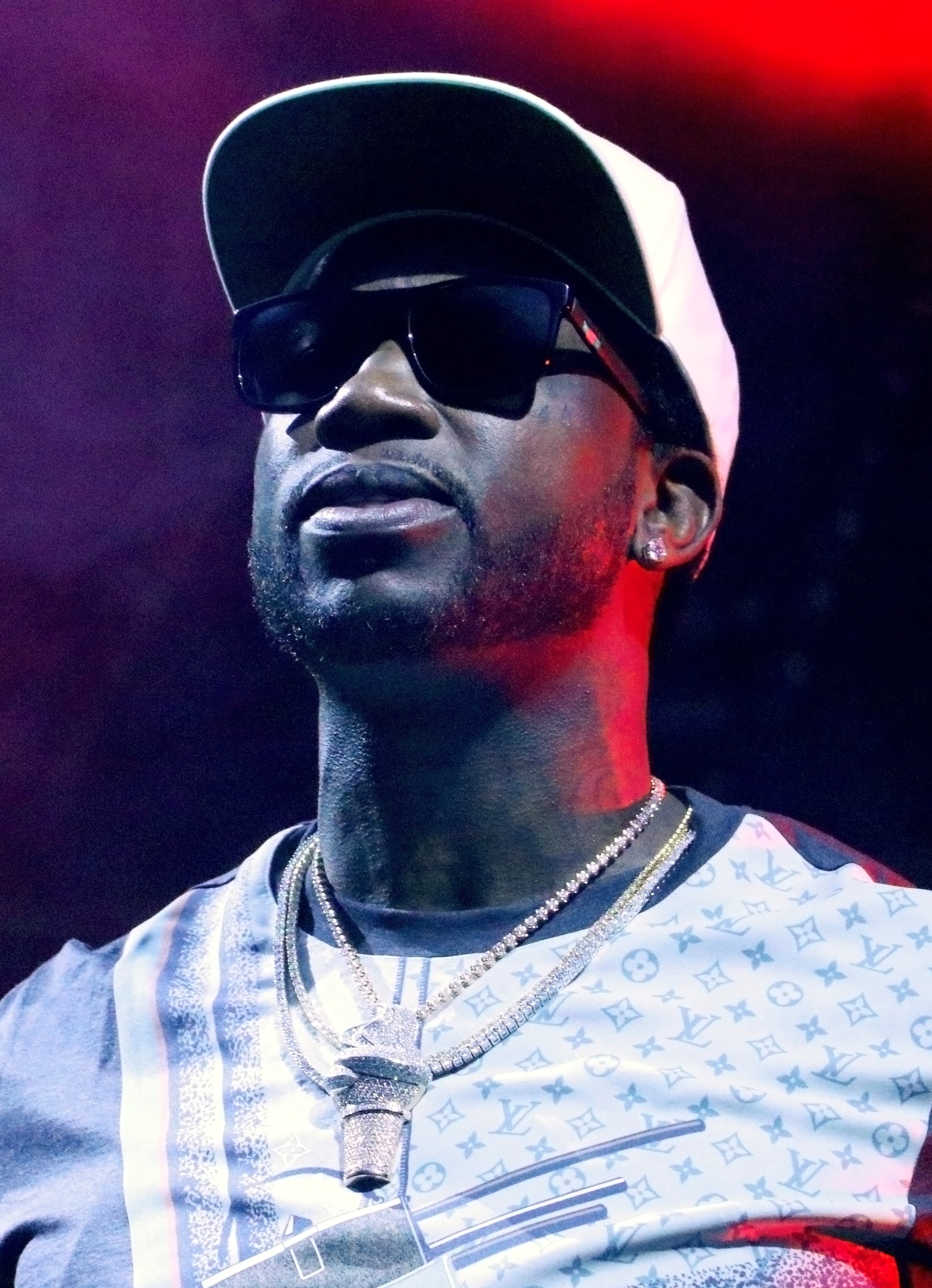

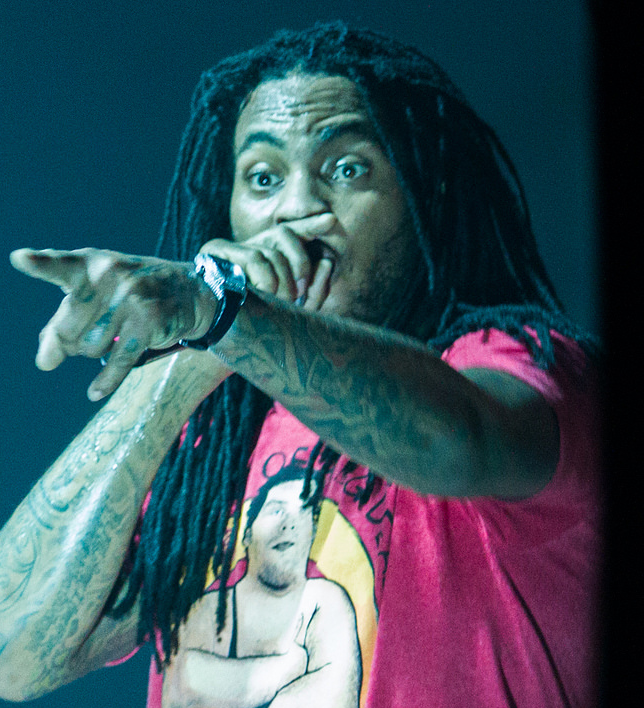 photo: max goldberg · cc by 2.0 ↗
Waka Flocka Flame
sourcesHipHopDX — "Waka Flocka Flame Talks Mixtapes, His Stage Name" (stage-name origin) · Billboard — "Waka Flocka Flame Talks Relationship With Gucci Mane" (Gucci Mane influence, BBC Radio quote) · Pitchfork — "Waka Flocka Flame · HipHopDX — "Waka Flocka Flame Says He's Crafting Rap Skills On 'Ferrari Boyz'" (Gucci Mane sound/energy contrast)
Juaquin Malphurs was born in Queens, New York, in 1986, but a Saturday-morning cartoon gave him his stage name: a Muppet Babies fan as a kid, he wore a chain shaped like the character Fozzie Bear, and the catchphrase "waka waka waka" stuck for good. His mother, Debra Antney, managed Atlanta rapper Gucci Mane, and it was Antney who put her teenage son in Gucci's orbit; Gucci added the rest of the name, "Flame," and pulled him into his Brick Squad crew. By 2010, on his debut album Flockaveli, Waka had turned that apprenticeship into something entirely his own — bellowed ad-libs over producer Lex Luger's horror-movie synths, a sound Pitchfork called street rap "distilled... into its purest form."
the sound in question
2010
Hard in da PaintWaka Flocka Flame
walk the tributaries ↓
Tupac Shakur1990s · West Coast hip-hop / Conscious hip-hop
Waka has insisted Flockaveli's title was no marketing stunt. "I apologize to Tupac fans if they think I'm using Tupac to sell records," he told SOHH in 2010. "Tupac is the reason why I really made Flockaveli... Makaveli had his back up against the wall, he felt like people were out to get him... At the time I was making my album, that's how I felt." He'd already said Tupac shaped him "on a personal level" growing up — Flockaveli borrowed a persona built for exactly Waka's own moment.
listen: upstream & heresource: SOHH — "Waka Flocka Flame Apologizes To 2Pac Fans Over 'Flockaveli' Debut Title" (Tupac Shakur influence) ↗
1996
Hail MaryTupac Shakur
2010
Fuck This Industry (Flockaveli)Waka Flocka Flame
listen forTupac's "Hail Mary" plays like a man out of options, half-prayer and half-threat, riding the Outlawz's grim, doom-laden chant — the exact persona Waka named his own album after. Waka's own closing track, "Fuck This Industry (Flockaveli)," carries that same backed-into-a-wall defiance: what Pitchfork called Waka's "reckless fatalism," the same temperament Tupac's Makaveli persona was built around in the first place.
Gucci Mane2000s–10s · Trap / Southern hip hop / Gangsta rap
Gucci Mane discovered him, renamed him, and pulled him into the Brick Squad camp as a teenager — a debt Waka has never disowned, even after the two publicly fell out. "That Brick Squad was history," he told BBC Radio in 2017, mid-feud. "I enjoyed it, I loved it, it made me who I am today. It made him who he was today." The influence isn't really sonic — Waka has drawn a sharp line between his own hammering energy and Gucci's "laid-back" style — it's the apprenticeship itself: the name, the crew, the start.
listen: upstream & heresource: AllMusic — Waka Flocka Flame biography, by Jason Birchmeier (bio, Gucci Mane/Lil Jon/Eazy-E influence claim) ↗
2009
BingoGucci Mane
2009
O Let's Do ItWaka Flocka Flame
listen forHear the throughline on Gucci's 2009 posse cut "Bingo," where a teenage Waka trades ad-libs over a skeletal, booming beat, credited alongside Soulja Boy Tell'Em before he'd released a hit of his own. Then play his solo breakout "O Let's Do It," from the same year: the same shouted hook-as-weapon approach, the same refusal to let a beat breathe — the Brick Squad ad-lib style he'd absorbed, already turned up to his own volume.
Lil Jon2000s · Crunk / Southern hip hop
Lil Jon isn't just a distant influence — AllMusic's early biography names him, alongside Eazy-E, as one of the artists Waka "cites" from his formative years — he's a credited producer on Flockaveli itself, building the beat under "Smoke, Drank." The Atlanta rapper who invented crunk's chanted-hook formula in the early 2000s is baked directly into the record that made Waka's name, not just cited from a distance.
listen: upstream & heresource: AllMusic — Waka Flocka Flame biography, by Jason Birchmeier (bio, Gucci Mane/Lil Jon/Eazy-E influence claim) ↗
2002
Get LowLil Jon
2010
Smoke, DrankWaka Flocka Flame
listen forLil Jon made his name on tracks where the whole song is one shouted phrase turned into a chant — "Get Low" builds an entire arrangement around "to the window, to the wall." On "Smoke, Drank," the same producer applies the same trick to Waka: a booming, minimal low end with almost nothing on top but a hook built to be yelled back, not sung.