walking upstream…
Uriah Heep

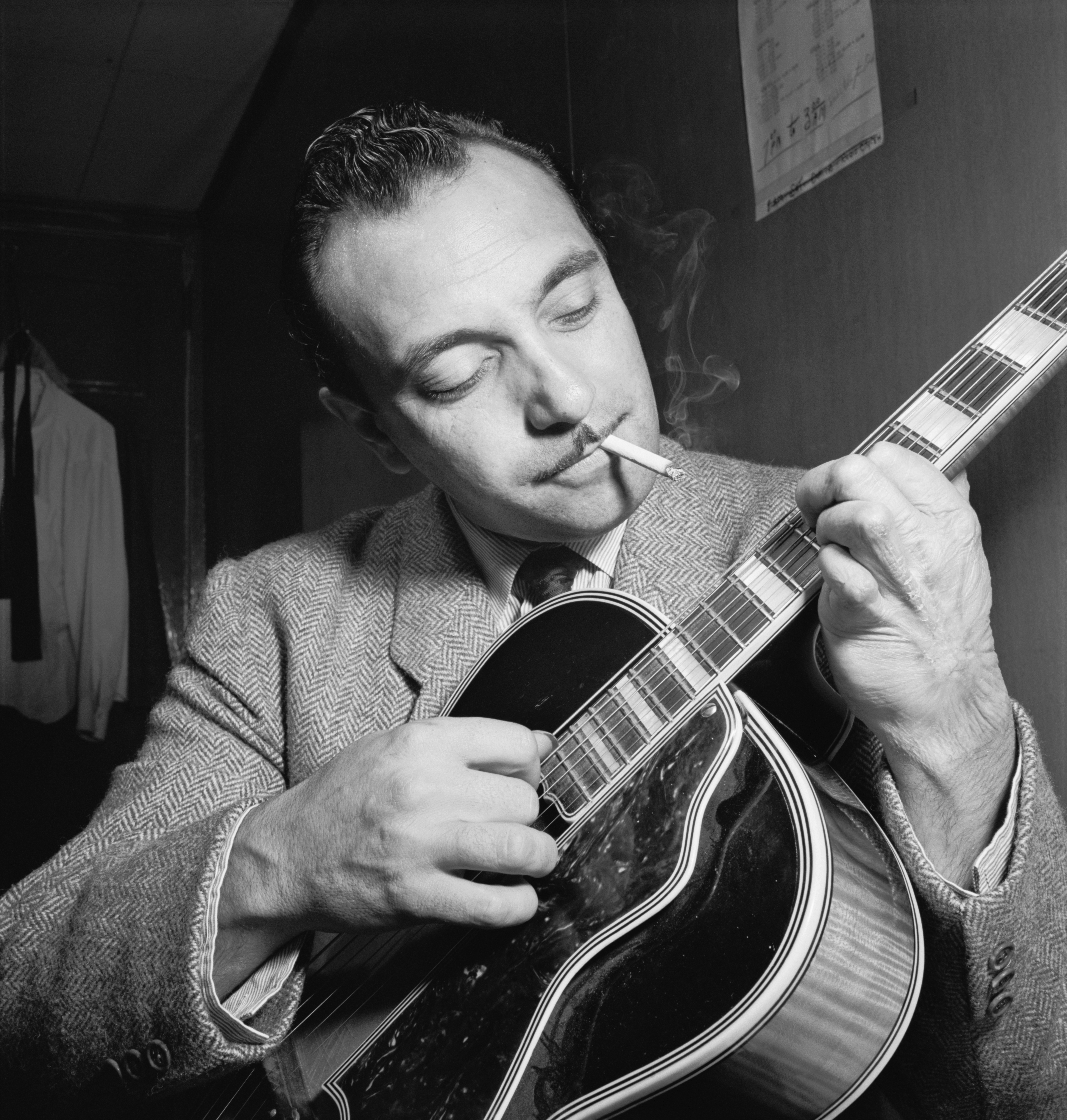

 photo: mercury records · public domain ↗
Uriah Heep
sourcesWikipedia · It's Psychedelic Baby Magazine · Louder
Formed in London in 1969 out of the earlier band Spice, Uriah Heep welded Ken Hensley's cathedral-sized Hammond organ to Mick Box's heavy riffing and David Byron's operatic, multi-octave wail, becoming one of hard rock's "Big Four" alongside Deep Purple, Led Zeppelin and Black Sabbath. Albums like Demons and Wizards and The Magician's Birthday paired fantastical, sword-and-sorcery lyrics with genuine progressive-rock ambition, selling over 40 million records worldwide even as critics were slow to come around. Still touring more than five decades later, the band remains a formative touchstone for singers and keyboardists chasing scale and theatricality in hard rock.
the sound in question
1972
Easy Livin'Uriah Heep
walk the tributaries ↓
Vanilla Fudge1960s · Psychedelic rock / Hard rock / Proto-prog
Guitarist Mick Box has said plainly that Vanilla Fudge, "who used a Hammond Organ, searing guitars and high vibrato vocals," were "one of our major influences" — Heep "applied that to our original songs, and that became the template for Heep's sound," fusing organ, guitar and multi-part harmony vocals into a single wall of sound.
listen: upstream & here
1967
You Keep Me Hangin' OnVanilla Fudge
1970
GypsyUriah Heep
listen forSet Vanilla Fudge's slowed-down, Hammond-drenched cover of "You Keep Me Hangin' On" against Uriah Heep's own "Gypsy" — both bury a simple vocal hook under a churning, dramatically overdriven organ-and-guitar wash, the exact combination Box said the band consciously built on.
Django Reinhardt1930s · Gypsy jazz / Jazz / Swing
Long before heavy rock, Mick Box's first guitar lessons were rooted in jazz — he's named "Django Reinhardt, Barney Kessel, Tal Farlow" among his earliest formative listening before moving on to Buddy Holly and Eddie Cochran, and that gypsy-jazz sense of nimble, single-note guitar phrasing surfaces whenever Heep's arrangements slow down for an intricate solo passage.
listen: upstream & here
1937
Minor SwingDjango Reinhardt
1973
Stealin'Uriah Heep
listen forListen to Django Reinhardt's "Minor Swing" next to the acoustic-picked intro of Uriah Heep's "Stealin'" — both let a nimble, swinging single-note guitar line carry the tune before the rest of the band comes crashing in, the same jazz-schooled dexterity Box carried over into hard rock.
Buddy Holly1950s · Rock and roll / Rockabilly / Pop
In that same account of his early listening, Mick Box named Buddy Holly (alongside Eddie Cochran) as the artist who pulled him from jazz toward rock and roll — and Heep's simpler, hook-driven songs, especially Ken Hensley's folkier ballads, carry some of that plainspoken, self-contained songwriting Holly pioneered.
listen: upstream & here
1957
That'll Be the DayBuddy Holly
1971
Lady in BlackUriah Heep
listen forPlay Buddy Holly's "That'll Be the Day" next to Uriah Heep's "Lady in Black" — both strip everything back to a simple, direct melody and vocal, miles from Heep's heavier material but sharing Holly's economical pop instincts.